
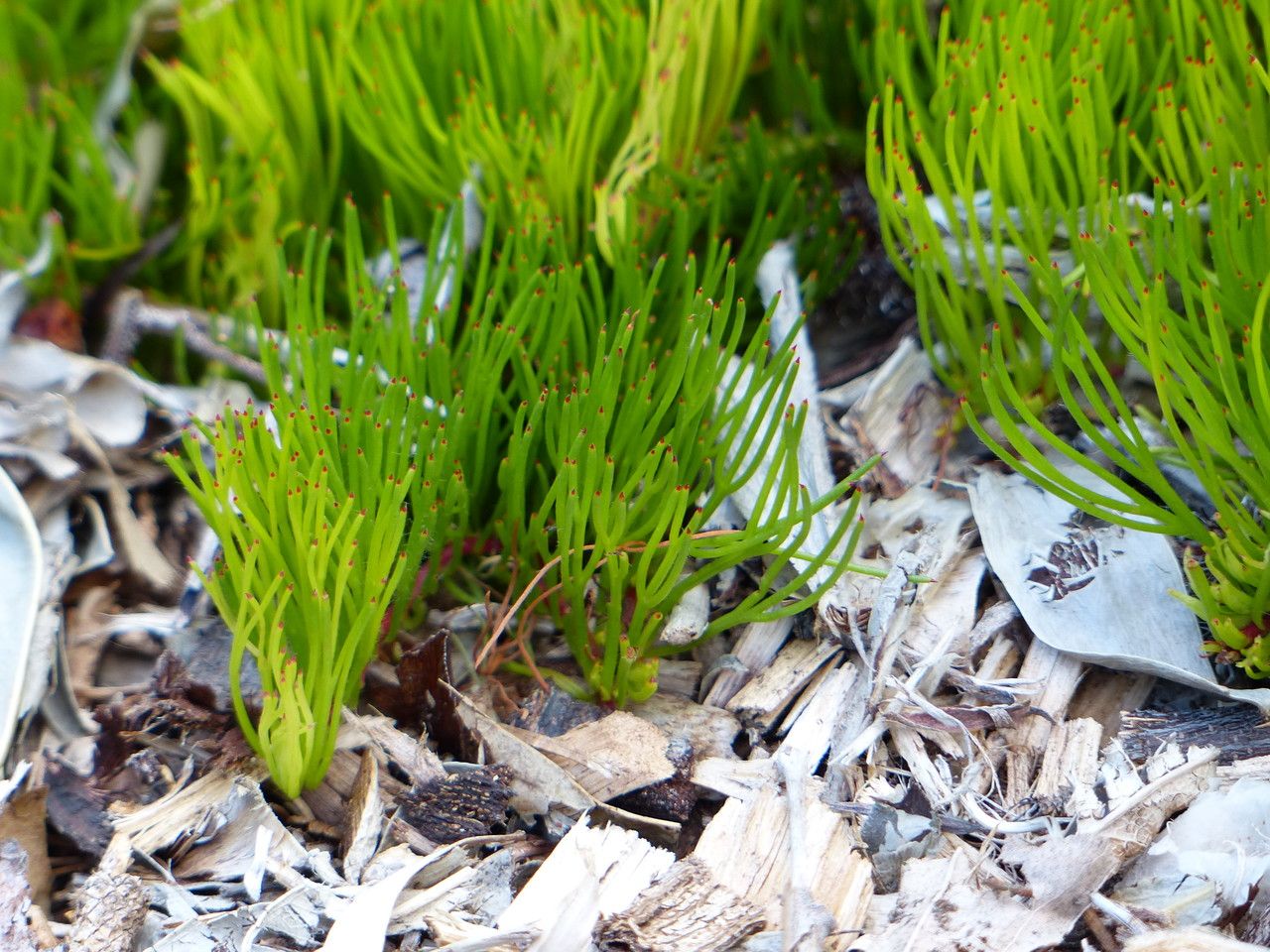
Taming the Tiny Treasures: A Guide to Propagating Serruria Phylicoides
The Serruria phylicoides, with its whimsical common name, “Long-stalk Spiderhead,” might seem like a mouthful, but one look at its delicate, spider-like blooms will have you enchanted. These South African natives, while exquisitely beautiful, are not the easiest to cultivate. Their propagation, often considered a labor of love for experienced gardeners, can be achieved with a dash of patience and a good dose of know-how.
Two Paths to Propagation
There are two primary ways to bring new Serruria phylicoides into the world:
1. Seed Propagation:
- The Challenge: Serruria seeds are notoriously fickle, with low germination rates and a predisposition to damping off (a fungal disease).
- The Process:
- Harvesting: Collect seeds from mature seed heads in late summer or fall.
- Sowing: Begin indoors 6-8 weeks before the last frost. Use a well-draining seed starting mix and sow seeds superficially.
- Temperature: Maintain a consistent temperature of around 65-70°F (18-21°C).
- Moisture: Keep the soil consistently moist but not waterlogged.
- Light: Provide bright, indirect light.
- Transplanting: Once seedlings have developed a few sets of true leaves, carefully transplant them to individual pots.
- Pro Tip: Soaking the seeds in a smoke treatment solution for 24 hours before sowing can significantly improve germination rates. Smoke treatment mimics natural fire conditions that these plants evolved with.
2. Cutting Propagation:
- The Advantage: Cuttings offer a higher success rate and produce plants identical to the parent plant.
- The Process:
- Timing: Take cuttings in late spring or early summer from healthy, non-flowering shoots.
- Preparation: Using clean, sharp shears, cut a 3-4 inch section just below a leaf node. Remove the lower leaves and wound the base of the cutting slightly.
- Rooting Hormone: Dip the cut end in a rooting hormone powder or gel to encourage root development.
- Planting: Insert the cutting into a well-draining rooting mix (a combination of peat moss and perlite works well).
- Environment: Cover the cutting loosely with a plastic bag or humidity dome to maintain moisture. Keep it in a warm, bright location out of direct sunlight.
- Patience: Rooting can take several weeks. You’ll know it’s successful when you see new growth.
- Transplanting: Once rooted, carefully transplant the cutting to a larger pot.
Caring for Your Serruria Phylicoides
Whether you’ve successfully germinated seeds or rooted cuttings, proper care is essential for your Serruria phylicoides to flourish:
- Sunlight: Provide plenty of bright, indirect light. Avoid harsh, direct sunlight.
- Water: Keep the soil evenly moist, but never soggy. These plants are susceptible to root rot.
- Soil: Use a well-draining, slightly acidic potting mix.
- Fertilizer: Feed lightly with a balanced, water-soluble fertilizer during the growing season.
- Pruning: Deadhead spent blooms to encourage more flowering.
A Rewarding Challenge
Propagating Serruria phylicoides might require a little extra effort, but the reward of seeing these charming spiderheads bloom in your own garden is well worth the effort. Remember, patience and persistence are key! With the right knowledge and a bit of green-thumb magic, you can cultivate these captivating South African beauties and enjoy their unique charm for years to come.