
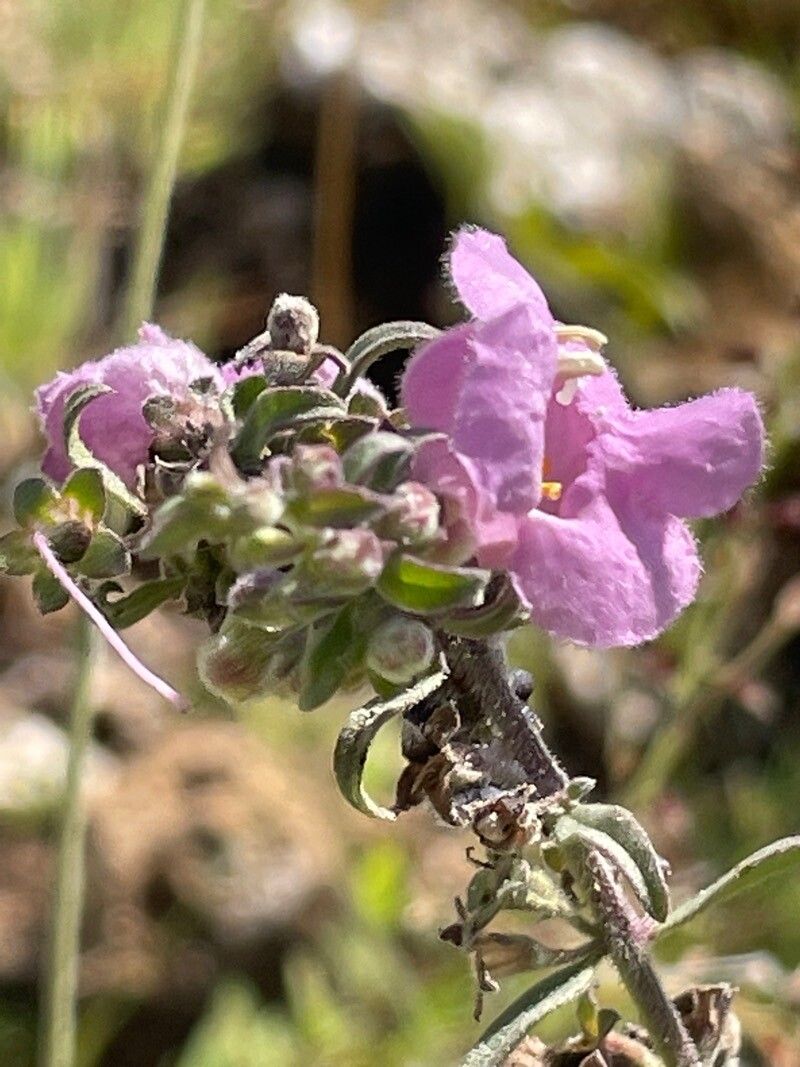
Unleashing the Potential of a Hidden Gem: Propagating Sesamum angolense
When you think of sesame, you probably envision the tiny, flavorful seeds sprinkled on breads or used in oil. But did you know there’s a lesser-known cousin harboring immense potential? Meet Sesamum angolense, a wild relative of sesame with a fascinating story and even more exciting prospects.
Sesamum angolense, also known as “wild sesame” or “Benniseed,” is native to Africa and boasts a remarkable resilience to harsh conditions like drought and poor soils. But what makes this wild relative truly captivating is its potential for boosting the cultivation of its more popular cousin, Sesamum indicum.
While Sesamum angolense doesn’t produce the same abundant seeds as cultivated sesame, it possesses valuable genetic traits like disease resistance and drought tolerance, which can be bred into commercial varieties. This means unlocking better yields and increased resilience for sesame farmers globally. But how do we cultivate this hidden gem?
Propagating Potential: Two Paths to Success
Sesamum angolense, like most plants, can be propagated through two primary methods:
1. Seeds:
This is the most common and straightforward method.
- Source: Obtain seeds from reputable suppliers specializing in African ethnobotanicals or research institutions. Due to its wild nature, finding Sesamum angolense seeds might require a bit more effort than its cultivated counterpart.
- Sowing: Sow the seeds directly in well-drained soil, lightly covering them. These seeds thrive in warm temperatures (around 75°F or 24°C) and require sunlight for germination.
- Care: Keep the soil consistently moist but not waterlogged. Once established, Sesamum angolense demonstrates impressive drought tolerance.
2. Cuttings:
This method offers a faster route to establishing new plants.
- Selection: Take cuttings from healthy, mature Sesamum angolense plants. Choose stem segments that are approximately 4-6 inches long with at least a couple of nodes.
- Preparation: Remove the lower leaves from the cutting to encourage root development. Dip the cut end in rooting hormone (optional but recommended for improved success).
- Planting: Plant the cuttings in a well-draining potting mix, burying at least one node. Keep the medium moist and provide indirect sunlight.
Challenges and Rewards:
Propagating Sesamum angolense might present some unique challenges. As a relatively understudied species, readily available information on its specific needs can be limited. However, its natural hardiness makes it quite forgiving, and with basic care, healthy plants can be established.
Beyond Propagation:
The potential of Sesamum angolense extends far beyond its role as a genetic resource. Its leaves and seeds possess traditional medicinal uses in various African cultures. Moreover, its beautiful flowers attract pollinators, adding vibrancy and ecological value to any garden.
By learning to propagate Sesamum angolense, we not only contribute to the fascinating world of plant conservation but also open doors to exciting possibilities in agriculture, medicine, and sustainable living. So, why not embark on this botanical adventure and unlock the potential of this hidden gem?