
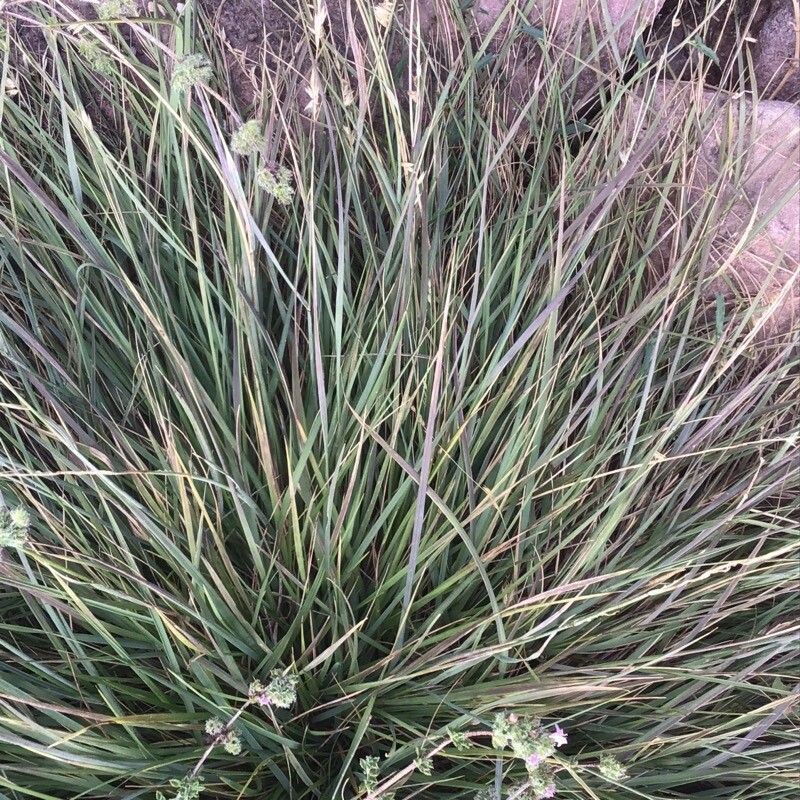
Sesleria insularis: How to Grow a Sea of Blue (From One Tiny Seed)
The Sesleria insularis, with its delicate blue-green foliage and graceful, airy flower spikes, adds a touch of understated elegance to any garden. If you’re looking to expand your patch of this captivating grass, you’re in luck – propagation is surprisingly simple and rewarding!
From Seed to Sward:
Sesleria insularis thrives from seed, offering a chance to nurture new life and grow a captivating array of plants. Here’s a step-by-step guide to getting started:
- Timing is Key: Sow seeds in early spring, ideally when the soil temperature has reached around 15°C (59°F).
- Preparation is Essential: Choose a sunny location with well-drained soil. Prepare the seedbed by removing any weeds and lightly raking the surface.
- Sowing: Sprinkle the seeds thinly and evenly on the surface. Cover them with a fine layer of soil, just enough to keep them from drying out.
- Watering Wisdom: Gently water the seeds after sowing, keeping the soil consistently moist but not waterlogged.
- Patience is a Virtue: Germination can take several weeks, so don’t despair if you don’t see signs of new life immediately.
A Note on Divide and Conquer:
While seed propagation is the most common method, you can also multiply your Sesleria insularis through division – separating clumps of mature plants. This method is best done in spring or early autumn:
- Choose Your Clump: Select a healthy, well-established plant and carefully dig it up.
- Divide and Conquer: Use a sharp knife or garden trowel to divide the clump into smaller sections, each with at least a few strong roots and shoots.
- Replant Carefully: Plant the divisions in well-prepared soil, ensuring that the roots are covered. Water thoroughly.
Caring for Your Sesleria Success:
Once your Sesleria insularis is established, it requires minimal maintenance. Here’s what you need to know:
- Watering: Water regularly during dry periods to keep the soil lightly moist.
- Feeding: Sesleria insularis doesn’t require heavy feeding. A light application of organic fertilizer in spring can be beneficial.
- Winter Care: In colder climates, the foliage will turn brown in winter. You can trim it back in spring for a fresh start.
Beyond the Garden:
The Sesleria insularis is an adaptable and beautiful addition to your garden, but its charms don’t end there! Its drought-tolerant nature makes it ideal for rock gardens, and its tidy form adds a touch of elegance to borders and containers.
A Final Word:
Growing Sesleria insularis from seed is a rewarding journey, bringing you closer to the beauty and resilience of nature. So, grab your seeds, embrace the challenge, and enjoy the rewarding journey of cultivating a little patch of blue in your own outdoor space!