
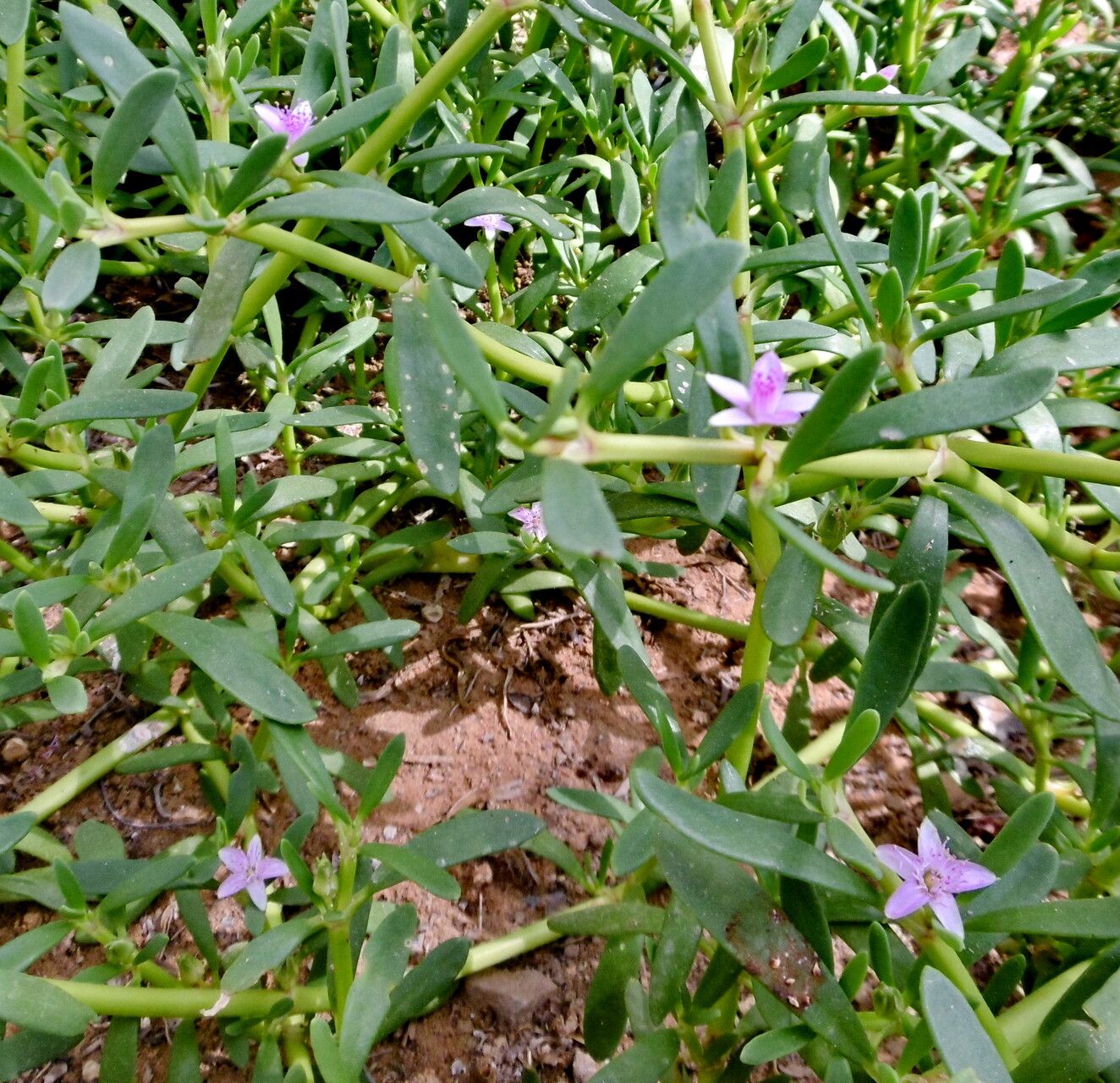
From Seed to Success: Propagating the Hardy Sea Purslane (Sesuvium revolutifolium)
Looking for a low-maintenance, drought-tolerant succulent that thrives in harsh conditions? Look no further than the Sea Purslane (Sesuvium revolutifolium), a resilient plant with stunning jade-green foliage and delicate pink blossoms. This versatile ground cover is a favorite for coastal gardens and containers, adding a splash of color and texture to any landscape. But how do you get your hands on this remarkable plant? Let’s explore the world of Sea Purslane propagation!
From Seed to Sprout:
Starting your Sea Purslane from seed is a rewarding and economical method. Here’s how to do it:
Timing is Key: Sow seeds directly in the garden after the last frost date or start them indoors 6-8 weeks before your anticipated planting date.
Soil Selection: Choose a well-draining soil mix. You can opt for a commercial seed starting mix or create your own by combining equal parts potting soil, perlite, and vermiculite.
Sowing the Seeds: Sprinkle the seeds evenly onto the surface of the soil and lightly press them in. Avoid burying them deeply, as they need light to germinate.
Moisture and Light: Keep the soil moist and provide bright, indirect light. You can use a seed starting mat or a heating pad below the tray to maintain a consistent temperature around 70-75 degrees Fahrenheit.
- Thinning and Transplanting: Once the seedlings have a few true leaves (usually within 2-3 weeks), thin them out, leaving the strongest ones spaced a few inches apart. You can then transplant them outdoors when the weather warms up and all danger of frost has passed.
The Power of Cuttings:
For a faster and more reliable method, consider propagating Sea Purslane from cuttings:
Selecting Cuttings: Take stem cuttings, ideally 4-6 inches long, from healthy, mature plants.
Removing Leaves: Remove the leaves from the bottom two inches of the cutting to encourage root development.
Rooting Medium: Dip the cut end of the cutting in a rooting hormone (optional) and insert it into a pot filled with a well-draining rooting medium like perlite or vermiculite.
Moist and Humid: Keep the rooting medium moist and provide a humid environment, either by using a humidity dome or misting the cuttings regularly. Typically, cuttings will root within 2-4 weeks.
- Planting Out: Once the cuttings have developed roots, you can transplant them into their permanent location in the garden.
Tips for Success:
- Sea Purslane thrives in full sun to partial shade and requires well-drained soil.
- Water consistently during the establishment phase, but allow the soil to dry out slightly between waterings.
- Be mindful of its invasive potential and keep an eye on its spread.
- You can prune the plant regularly to maintain its shape and encourage bushier growth.
More Than Just a Pretty Face:
Besides its ornamental value, Sea Purslane is edible! Its succulent leaves can be added to salads, soups, and stir-fries for a unique, slightly salty and tangy flavor. It’s also rich in vitamins and minerals, making it a nutritious addition to your diet.
No matter which propagation method you choose, the Sea Purslane is a wonderful addition to any garden. Its adaptable nature, vibrant appearance, and culinary uses make it a favorite among gardeners and foodies alike. So, grab a cutting, sow some seeds, and watch the magic unfold!