
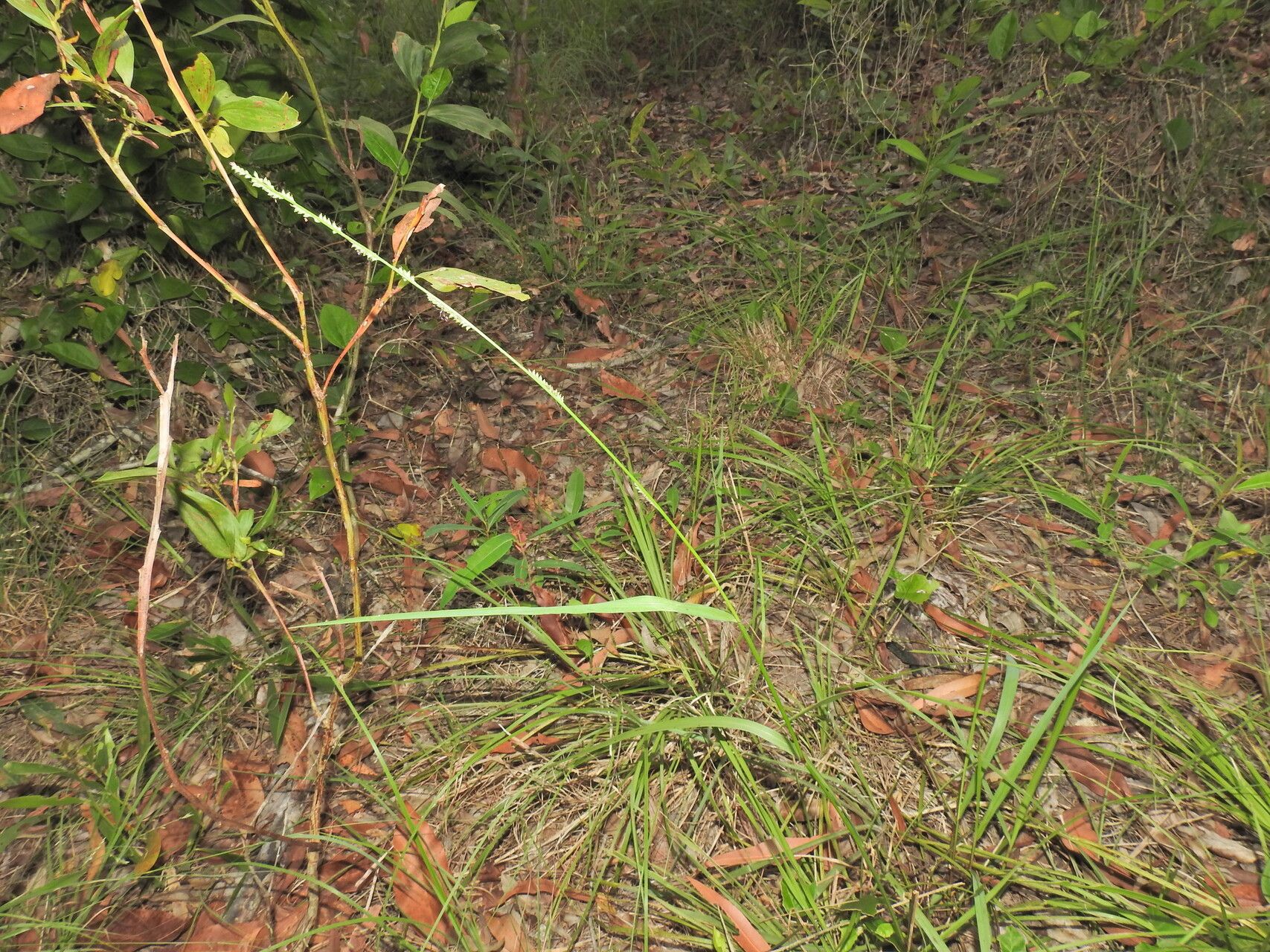
Propagating Setaria gausa: A Gardener’s Guide to a Challenging but Rewarding Plant
Introduction:
Setaria gausa, also known as foxtail millet or Italian millet, is a warm-season annual grass prized for its ornamental value and ecological benefits. Its feathery seed heads, ranging in color from golden yellow to reddish-bronze, provide textural interest in gardens and attract beneficial insects. While not as widely cultivated as other ornamentals, its unique appearance and adaptability have earned it a growing following among gardeners who appreciate less common grasses. However, propagating Setaria gausa presents specific challenges, making successful cultivation a rewarding accomplishment.
Seed Germination:
Seed germination is a viable but sometimes tricky method for propagating Setaria gausa. The challenges primarily lie in ensuring optimal conditions for germination. Seeds require warm temperatures (ideally 20-25°C) and consistently moist soil. While stratification isn’t strictly necessary, pre-soaking seeds for 24 hours in warm water can improve germination rates. Sow seeds directly into well-draining soil at a depth of approximately 1cm, spacing them according to the desired density. Thinning may be necessary to prevent overcrowding.
Challenges: Inconsistent germination rates are common, depending on seed viability and environmental conditions. Seed predation by birds or insects can also be a significant issue.
Practical Tips: Use fresh seeds whenever possible, and consider starting seeds indoors in seed trays a few weeks before the last expected frost. Provide adequate light and warmth.
Rewards: Seed propagation offers the highest potential for genetic diversity if you collect seeds from multiple plants. It’s also a relatively inexpensive method suitable for large-scale propagation.
Cuttings:
Currently, there are no known reliable methods for propagating Setaria gausa from cuttings. This grass, being an annual, does not readily produce roots from stem cuttings.
Division:
Division is not a feasible propagation method for Setaria gausa. As an annual plant, it does not develop the extensive root system necessary for successful division.
Tissue Culture:
While tissue culture is a commercially viable propagation method for many plants, information specifically on the successful tissue culture of Setaria gausa is limited. Further research is needed to determine its efficacy and feasibility.
Conclusion:
Propagating Setaria gausa presents a unique set of challenges. While seed germination offers the most promising approach, it requires patience, attention to detail, and potentially some experimentation to achieve satisfactory results. The lack of success with cuttings and division techniques highlights the specific propagation requirements of this species. The rewards, however, are considerable. Successfully cultivating this attractive and ecologically beneficial grass from seed brings a deep sense of accomplishment that few common garden plants can match. The unique aesthetic contribution of Setaria gausa to a garden makes the effort well worthwhile for the dedicated gardener. Don’t be discouraged by potential setbacks; persistence and careful observation will ultimately lead to success in bringing this beautiful grass to flourish.