
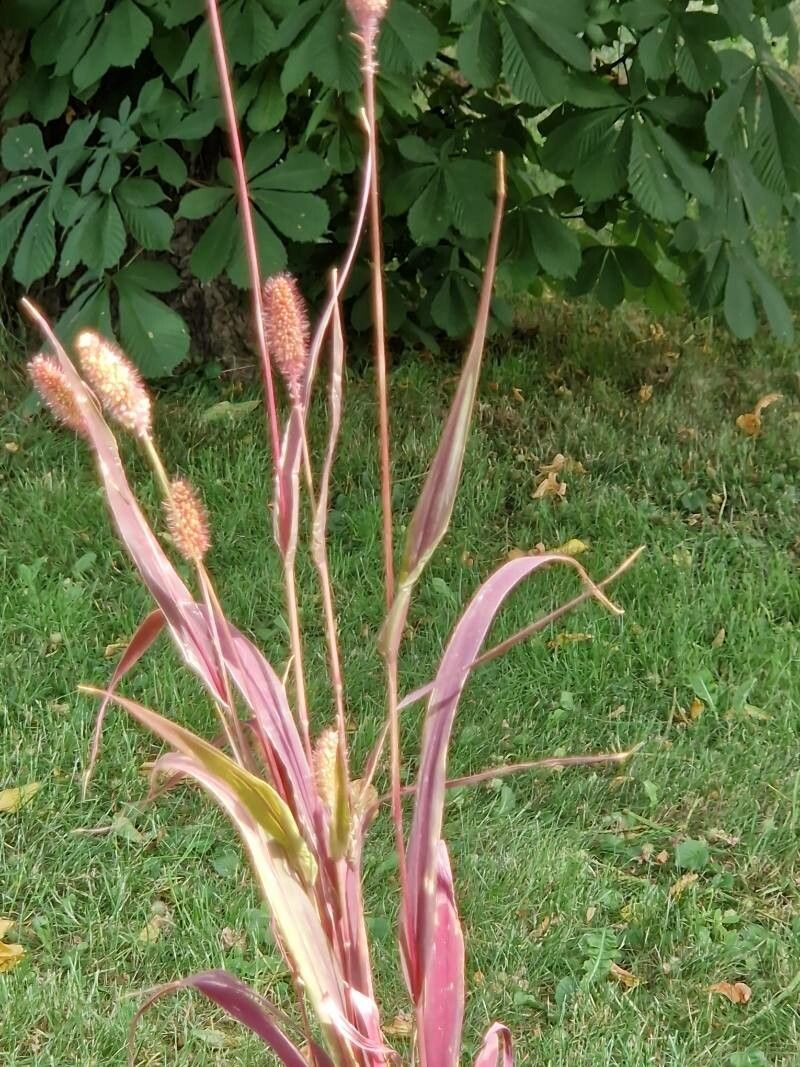
Foxtail Millet: From Seedling to Harvest – A Beginner’s Guide to Propagation
Foxtail millet (Setaria italica), a nutritious and versatile grain, is experiencing a resurgence in popularity. This ancient grain is not only delicious but also incredibly easy to grow, making it a perfect addition to any home garden. But how do you get started with foxtail millet? The answer is simple: propagation!
Planting From Seed: The Easiest Method
Foxtail millet is a warm-season annual, meaning it thrives in hot weather and completes its life cycle in a single growing season. The easiest way to propagate this plant is by direct seeding. Here’s how:
- Choose Your Location: Foxtail millet prefers full sun and well-drained soil. It can tolerate a range of soil types, but sandy loam is ideal.
- Prepare the Soil: Prepare the planting bed by removing weeds and loosening the soil with a tiller or hand rake. Incorporate compost or other organic matter to improve soil fertility and drainage.
- Sow Seeds: Scatter seeds 1/2 inch deep and 1 inch apart. For larger areas, you can use a seed drill or broadcast the seeds.
- Water Thoroughly: Water the seeds immediately after planting and keep the soil moist until germination.
- Thin Plants: If your seeds are too close together, thin them out to 6-12 inches apart once they have 2-3 leaves.
Germination Timelines
Foxtail millet typically germinates within 7-14 days, depending on soil temperature and moisture levels. Ensure the soil temperature is at least 60°F for germination to begin.
Beyond Seed: Exploring Other Options
While direct seeding is the easiest method, you can also propagate foxtail millet through:
- Transplants: Start foxtail millet seeds indoors 4-6 weeks before the last frost date. Gently transplant seedlings outdoors once the weather warms up.
- Division: If you already have a foxtail millet plant, you can divide it into smaller plants by cutting through the roots and separating the plants.
Tips for Success
- Water Regularly: Foxtail millet needs regular watering, especially during drought conditions.
- Fertilize: A light application of nitrogen fertilizer can promote healthy growth.
- Control Weeds: Keep the area around your foxtail millet plants weed-free to avoid competition for nutrients and water.
- Harvest: The seed heads are ready for harvest when they are fully mature and have turned a golden brown color.
Benefits Beyond the Harvest
Foxtail millet is not only an easy-to-grow grain source but also offers numerous benefits:
- Nutritional Value: Rich in protein, fiber, and essential vitamins and minerals.
- Soil Health: Foxtail millet is a great cover crop, helping to improve soil fertility and prevent erosion.
- Attracts Beneficial Insects: The flowers attract beneficial insects like pollinators and beneficial wasps.
From Seed to Plate – Explore the World of Foxtail Millet
Growing your own foxtail millet is not only rewarding but also delicious. With its easy propagation methods and numerous benefits, this ancient grain is a delicious and sustainable addition to your backyard. So why not give it a try? You might just be surprised by how easy and satisfying it is to grow!