
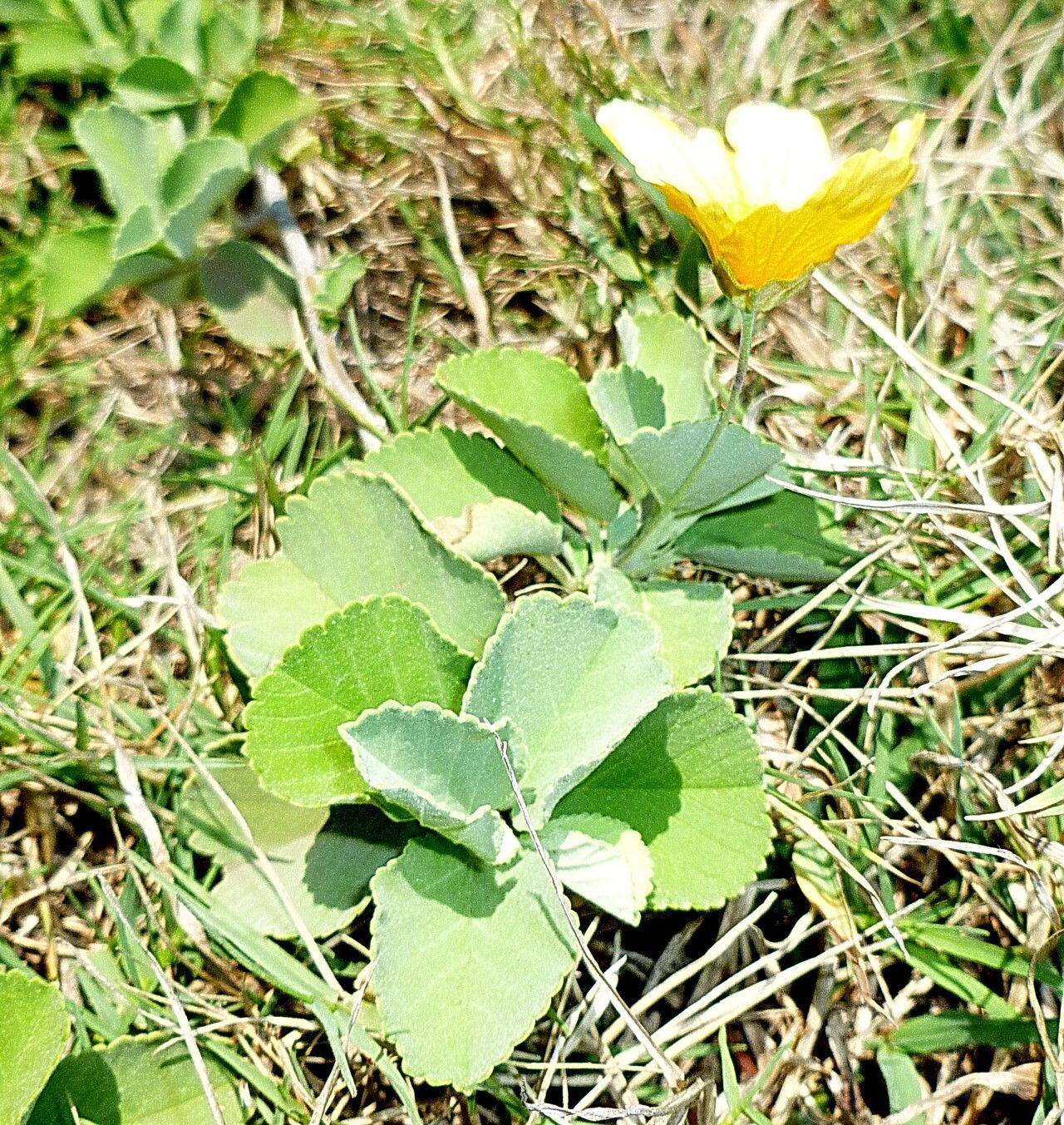
Propagating Sida fallax: A Gardener’s Guide to a Challenging but Rewarding Plant
Sida fallax, commonly known as false sida or tropical sida, is a captivating shrub appreciated for its vibrant yellow flowers and attractive foliage. Its relatively low maintenance needs and drought tolerance make it a popular choice among gardeners, particularly in warmer climates. However, its propagation presents unique challenges, making successful cultivation all the more rewarding. This article explores various propagation methods for Sida fallax, outlining their feasibility and providing practical advice.
Seed Germination:
Currently, there are no known reliable methods for seed germination propagation of Sida fallax. While the plant does produce seeds, their germination rate is extremely low, and achieving successful germination has proven elusive. This might be due to factors such as seed dormancy mechanisms or specific environmental requirements not yet understood. Further research into seed germination techniques, including potential stratification or scarification methods, is necessary.
Cuttings:
Cuttings represent a more viable propagation method for Sida fallax.
Challenges: The success rate can be variable, depending on the timing, health of the parent plant, and the care given to the cuttings. Root development can be slow.
Practical Tips: Take semi-hardwood cuttings in late spring or early summer from healthy, actively growing stems. Use a sharp, clean knife or shears to take 4-6 inch cuttings, removing lower leaves. Treat the cut ends with a rooting hormone to stimulate root development. Plant the cuttings in a well-draining potting mix, maintaining moisture but avoiding waterlogged conditions. High humidity (e.g., using a propagation dome or misting regularly) can increase success.
Rewards: Cuttings offer a relatively straightforward method for cloning the parent plant, ensuring genetic uniformity. This is particularly useful for preserving desirable traits in cultivars.
Division:
Division is another viable, although less frequently employed, propagation technique for Sida fallax.
Challenges: This method necessitates a mature, well-established plant that can be easily divided without causing significant damage. Careful handling is required to avoid damaging the root system, which can hinder establishment.
Practical Tips: Divide the plant in spring or autumn when it’s actively growing. Carefully dig up the plant, gently separating established sections with their own roots and a good portion of stem. Replant the divisions in well-prepared soil, ensuring adequate spacing. Provide consistent watering until the divisions become established.
Rewards: Division can allow for rapid multiplication of a desirable plant, resulting in multiple plants in a short time.
Tissue Culture:
Tissue culture propagation, while potentially yielding large numbers of plants, is generally not a practical method for home gardeners due to the specialized equipment, sterile environment, and technical expertise required.
Challenges: Establishing aseptic conditions and the use of specialized growth media and hormones are significant obstacles for home propagation.
Practical Tips: Tissue culture requires a dedicated laboratory setting with specialized equipment and training. For individuals interested in this method, collaboration with a plant tissue culture laboratory is recommended.
Rewards: High propagation rates and the ability to produce disease-free plants make tissue culture the most efficient method, though expensive.
Conclusion:
Propagating Sida fallax presents various challenges, with seed germination currently proving unreliable. Cuttings offer a reasonably accessible method for home gardeners, while division provides a faster but more demanding alternative. Tissue culture, while highly efficient, requires considerable resources and expertise. The satisfaction derived from successfully propagating this attractive shrub, overcoming the inherent difficulties, is immense. For aspiring propagators, patience, persistence, and meticulous attention to detail are crucial for success. The rewards, both aesthetically and horticulturally, will certainly be worth the effort.