
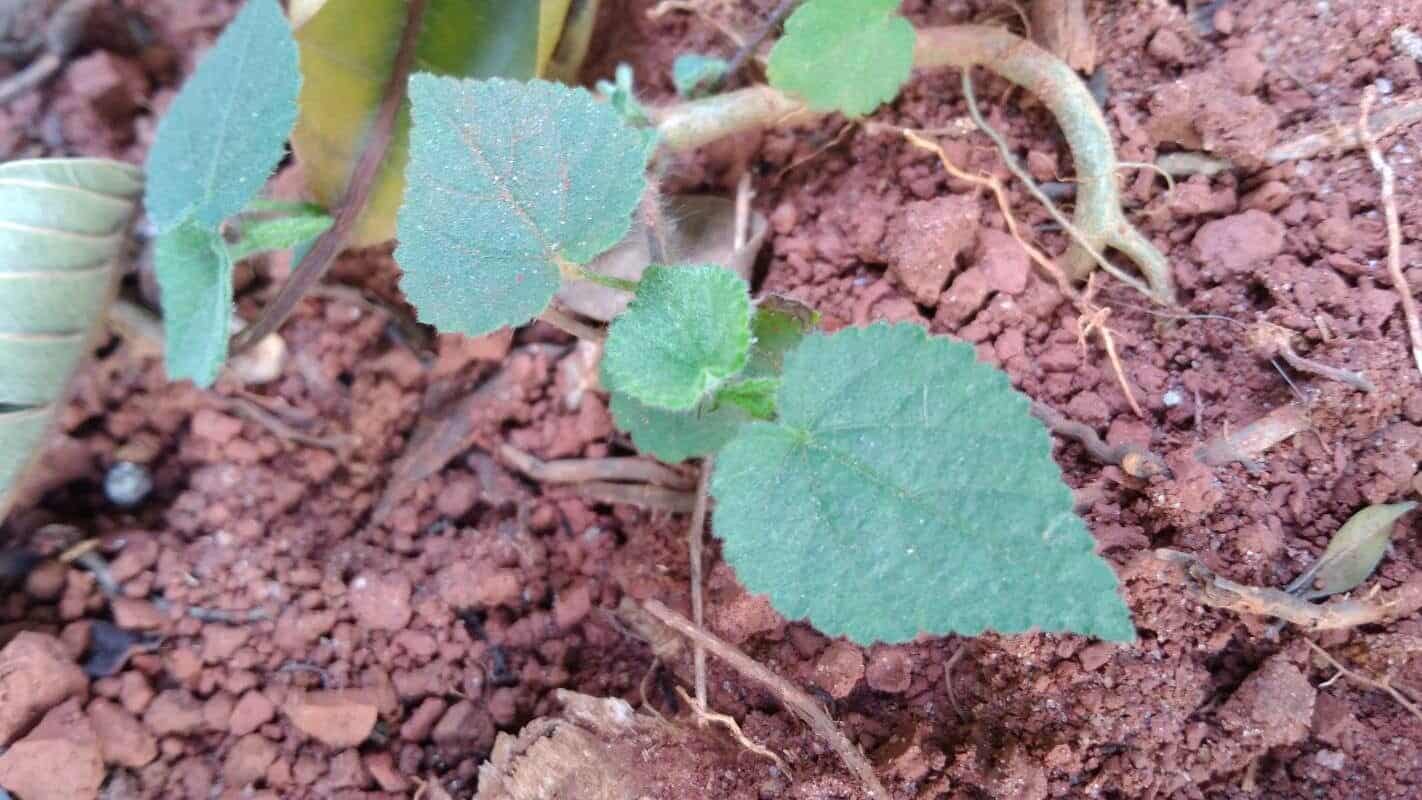
Taming the Texas Wildflower: Propagating Sida Glabra
Sida glabra, also known as smooth fanpetals or glabrous fanpetals, is a charmer with delicate orange blooms that bring a touch of the Texas wildflower spirit to any garden. While often found gracing roadsides and meadows, this resilient plant can be easily invited into your own outdoor space with a little knowledge of propagation.
The Why and How of Propagating Sida Glabra
Propagating your own Sida glabra not only saves you money, but also offers a rewarding connection with the plant’s life cycle. Luckily, this species is adaptable and can be multiplied through two main methods:
1. Seed Starting:
- Collecting Seeds: In late summer, Sida glabra produces small, round seed pods. Once the pods turn brown and dry, gently crush them to collect the tiny seeds inside.
- Sowing: These seeds are best sown directly into the ground after the last frost in spring. Choose a well-drained location that receives full sun to partial shade. Scatter the seeds evenly and lightly press them into the soil, ensuring good contact but not burying them deep. Keep the soil consistently moist until germination, which typically takes 1-2 weeks.
- Thinning: Once the seedlings develop a few sets of true leaves, thin them out to provide adequate spacing (around 12 inches apart) for optimal growth.
2. Cuttings:
- Taking Cuttings: In late spring or early summer, select healthy stems from a mature Sida glabra plant. Using clean, sharp shears, take cuttings that are 4-6 inches long. Remove the leaves from the lower half of the cuttings to prevent them from rotting in the soil.
- Rooting Hormone (Optional): While not mandatory, dipping the cut ends in rooting hormone can encourage faster and more successful root development.
- Planting: Plant the cuttings in a well-draining potting mix, burying the nodes (where the leaves were removed) below the soil line. Water thoroughly and cover the pot with a clear plastic bag or humidity dome to create a warm, humid environment that promotes rooting.
- Transplanting: After 4-6 weeks, gently tug on the cuttings to check for resistance, indicating root growth. Once rooted, carefully transplant them into individual pots or directly into the garden.
Caring for Your Sida Glabra
Sida glabra is relatively low-maintenance and drought-tolerant once established. Here are some care tips:
- Watering: Water regularly during the first growing season to establish a strong root system. Thereafter, water deeply but infrequently, allowing the soil to dry out slightly between waterings.
- Soil: Well-draining soil is crucial to prevent root rot. Amend heavy clay soils with compost or other organic matter to improve drainage.
- Sunlight: Plant in full sun to partial shade. Sida glabra can tolerate some shade but blooms best with at least 6 hours of direct sunlight.
- Pruning: While not strictly necessary, deadheading spent flowers can encourage continuous blooming.
A Rewarding Addition to Your Garden
By propagating your own Sida glabra, you’ll be treated to a continuous display of cheerful orange blossoms year after year. These plants attract pollinators, thrive in challenging conditions, and add a touch of wild beauty to any landscape. So, why wait? Grab some seeds or snipping tools and start propagating your own Sida glabra today!