
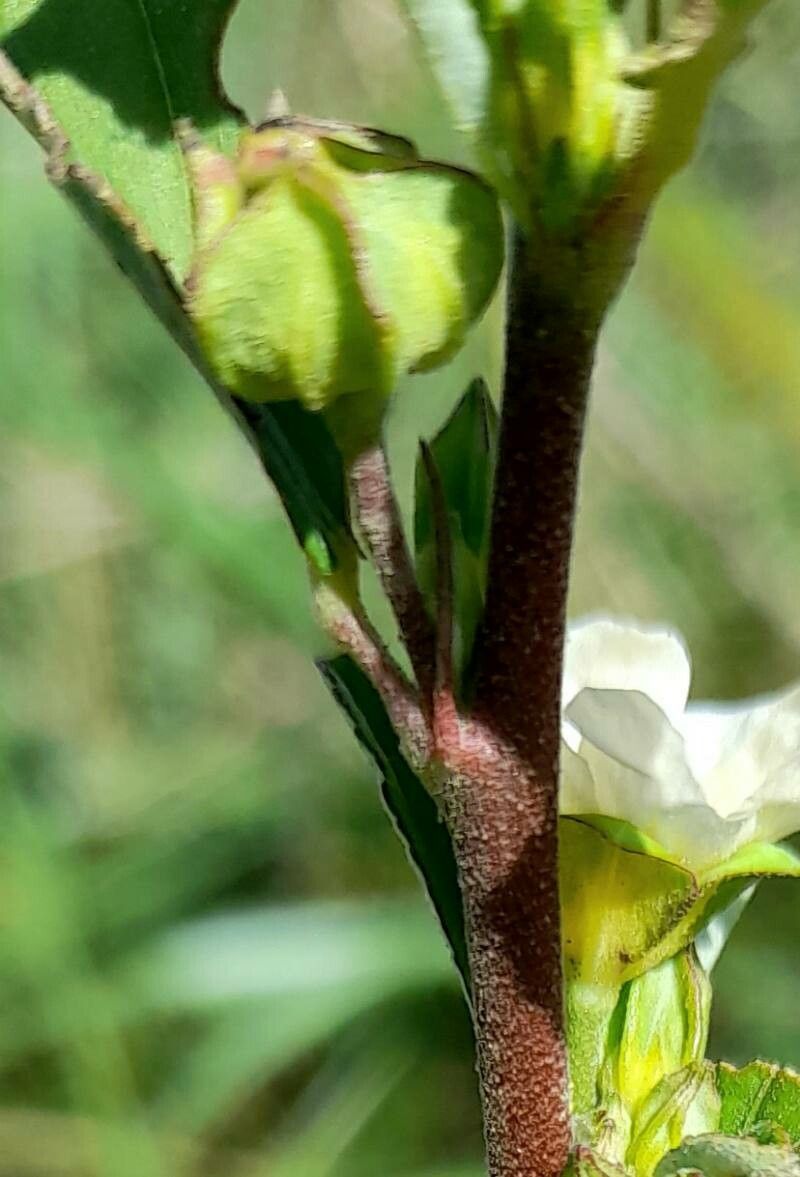
From Tiny Seed to Lush Green: Propagating Sida spinosa, the “Sticky Weed” with a Surprising Twist
Sida spinosa, commonly known as “sticky weed” or “Texas prickly poppy,” is a resilient plant that thrives in sunny, dry conditions. While it can be considered invasive in some areas, it’s a fascinating species with beautiful yellow flowers and a surprising ability to regenerate. Today, we’ll dive into the world of Sida spinosa propagation, exploring how to bring this tenacious plant to life.
Seeds: Sida spinosa is a prolific seed producer, and this method is undoubtedly the easiest and most effective way to propagate it.
- Collecting seeds: Look for mature seed pods, often brown and slightly wrinkled. These pods readily break apart, releasing numerous tiny seeds.
- Sowing: You can direct sow the seeds outdoors in the spring after the last frost. Simply scatter the seeds on the surface of well-prepared soil, gently pressing them into the ground. Water lightly. Alternatively, start seeds indoors in seed trays or pots filled with seed-starting mix about 6-8 weeks before the last frost.
- Cuttings: While less common, Sida spinosa can be propagated using stem cuttings.
- Choose healthy cuttings: Select non-flowering, green stems from the current year’s growth. Aim for cuttings about 4-6 inches in length.
- Prepare the cuttings: Remove the leaves from the bottom inch of the stem. Dip the cut end in rooting hormone for optimal results.
- Planting: Insert the cuttings into a pot filled with moist, well-draining potting mix. Cover the pot with a clear plastic dome or bag to create a humid environment.
Pro Tips for Success:
- Light and Temperature: Sida spinosa thrives in full sun and warm temperatures. Provide sufficient light for indoor-grown seedlings or cuttings.
- Watering: Keep the seeds and cuttings consistently moist but not soggy. Overwatering can lead to root rot.
- Fertilizer: During the growing season, you can use a balanced liquid fertilizer to encourage healthy growth, but it’s not essential.
- Hardiness: Sida spinosa is hardy in USDA zones 8-11. In cooler climates, it’s best to start seeds indoors and transplant them after the last frost.
A “Sticky Weed” with Potential:
While Sida spinosa is a vigorous plant, it can be surprisingly adaptable and even beneficial. The plant has medicinal properties, often used to soothe skin irritation and inflammation. It also attracts pollinators to your garden, adding to its ecological value.
Beyond the Backyard:
Sida spinosa is a natural component of many ecosystems, including prairies, meadows, and disturbed sites. While its invasive nature should be acknowledged and managed, its ability to thrive in harsh conditions makes it an inspiring example of resilience and adaptability. So, the next time you encounter this “sticky weed,” think twice before dismissing it. This unassuming plant may hold more than meets the eye.