
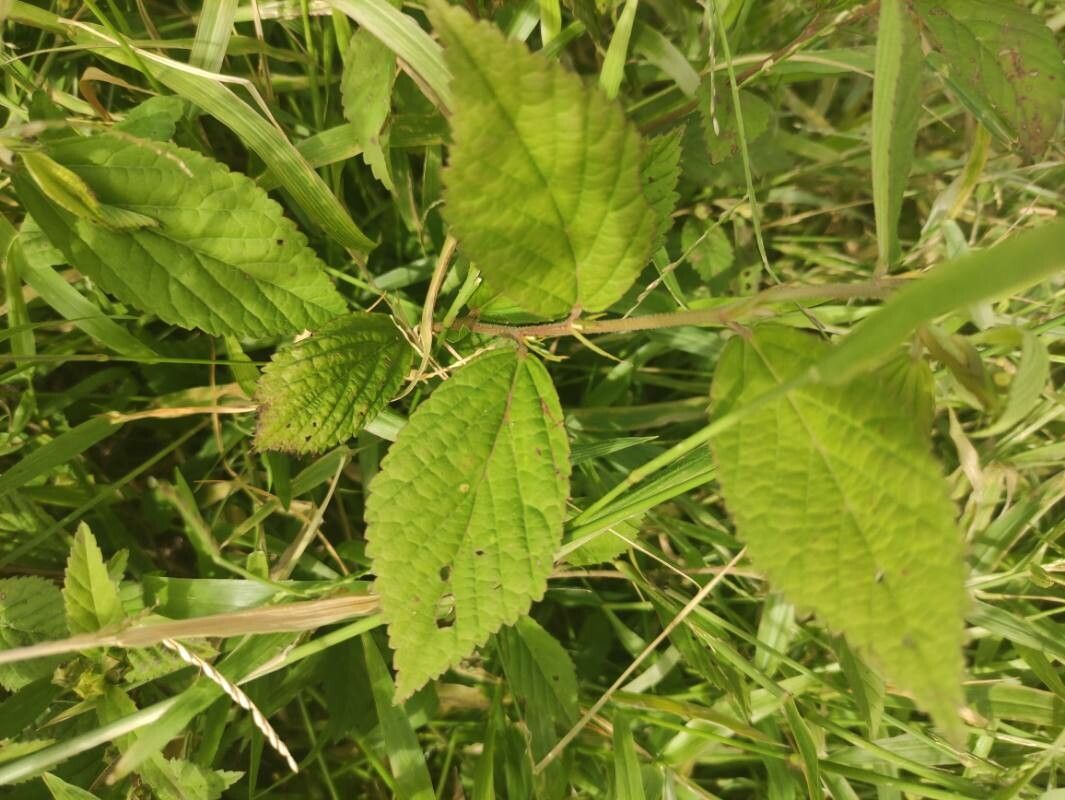
Taming the Spreading Bush: Propagating Sida ulmifolia for a Bountiful Garden
Sida ulmifolia, also known as the Flannel Weed or Slender Mallow, might sound like an unwelcome garden guest with a name like “weed.” However, don’t let that fool you! This vigorous plant, adorned with delicate yellow flowers, possesses a charm that wins over even the most discerning gardener. And the best part? It’s incredibly easy to propagate, quickly transforming a single plant into a flourishing haven for pollinators.
Why Propagate?
Why propagate Sida ulmifolia when it grows so readily? Well, propagation allows you to:
- Multiply your stock: You can create a stunning display without spending a fortune on new plants.
- Share the joy: Imagine gifting friends and family with their own Sida ulmifolia starts.
- Control its spread: While Sida ulmifolia is generally not invasive, propagation lets you choose where and how it grows in your garden.
Two Tried and True Methods:
While Sida ulmifolia readily self-seeds, these two methods offer more control and faster results:
- Cuttings:
- Timing is Key: Spring and early summer are ideal for taking cuttings, when the plant is actively growing.
- Select Healthy Stems: Choose non-flowering stems that are about 4-6 inches long and showing vigorous growth.
- Prep Your Cuttings: Make a clean cut just below a leaf node, remove the lower leaves, and lightly wound the bottom inch of the stem to expose the cambium layer (the tissue responsible for root development).
- Root Hormone (Optional): While not strictly necessary, dipping the wounded end in rooting hormone can accelerate the process.
- Potting Up: Plant the cuttings in a well-draining potting mix, burying the wounded portion and the first set of leaf nodes.
- Moisture is Key: Keep the soil consistently moist but not waterlogged. A humidity dome or covering with a plastic bag can help retain moisture.
- Patience is a Virtue: Roots should develop in 4-6 weeks. You’ll know your cuttings are successful when you see new growth.
- Seeds:
- Harvesting Treasure: Collect seeds from mature seed pods in late summer or early fall. Allow them to dry completely before storing.
- Cold Stratification (Optional): While not required, cold stratification can increase germination rates. Place seeds in a damp paper towel inside a sealed plastic bag and store in the refrigerator for 2-4 weeks before sowing.
- Sowing Time: Start seeds indoors 6-8 weeks before the last frost or directly sow in the garden after the danger of frost has passed.
- Light Requirements: Sida ulmifolia seeds need light to germinate. Lightly press the seeds onto the soil surface without burying them.
- Keep it Warm and Moist: A consistent temperature of 70-75°F (21-24°C) and moist soil are crucial for germination.
- Thinning the Herd: Once seedlings develop a couple of true leaves, thin them out to provide adequate spacing.
A Few Final Tips:
- Sida ulmifolia prefers full sun to partial shade and well-drained soil.
- Once established, the plant is relatively drought-tolerant.
- Deadhead spent flowers to encourage continuous blooming and prevent excessive self-seeding.
With its cheerful blooms, effortless propagation, and low-maintenance nature, Sida ulmifolia is a wonderful addition to any garden. So, grab your gardening gloves and get ready to propagate. Soon, you’ll have a flourishing oasis teeming with happy pollinators – a testament to the magic of plant propagation.