
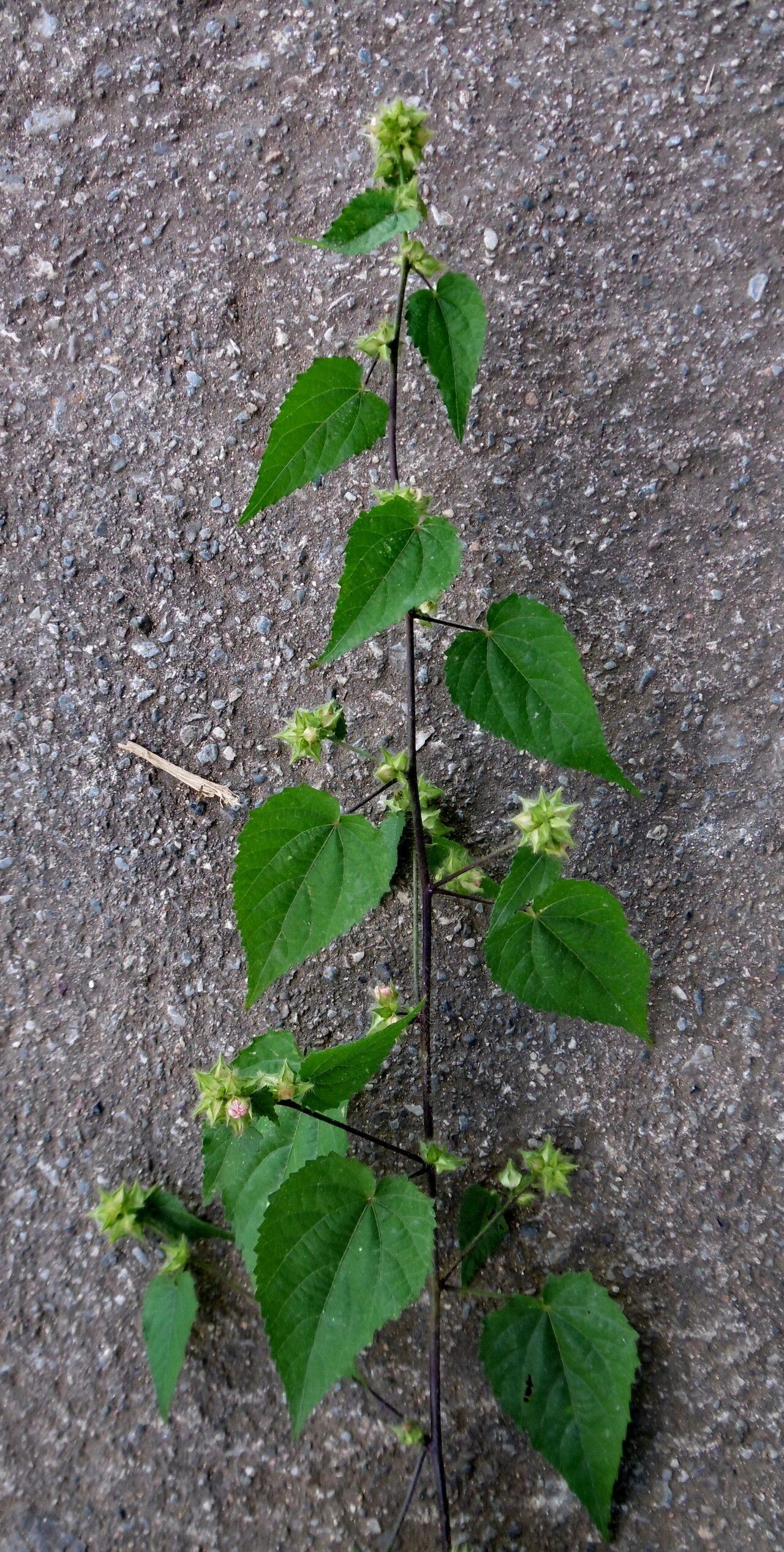
Taming the Tickle Weed: A Guide to Propagating Sida urens
Sida urens, known affectionately as “tickle weed” for its prickly seed pods, might not be a household name like roses or basil. But this unassuming plant, native to tropical regions around the globe, holds fascinating potential for both gardeners and natural remedy enthusiasts. Whether you’re intrigued by its delicate yellow blooms, its traditional medicinal uses, or simply want a unique addition to your garden, knowing how to propagate Sida urens can be a rewarding endeavor.
Why Propagate?
Propagation, the magic of multiplying your plants, offers several benefits with Sida urens:
- Free Plants: Why buy new plants when you can create clones of your existing one?
- Preserving Genetics: If you have a particularly healthy or attractive Sida urens, propagation ensures its unique characteristics are carried forward.
- Sustainable Gardening: Reduce reliance on commercial nurseries and enjoy the satisfaction of growing your own.
Methods for Success:
Sida urens readily reproduces through both seeds and stem cuttings, making it an accessible choice even for beginner propagators.
1. Seed Propagation:
- Collecting Seeds: The real challenge with Sida urens is often not growing it, but preventing it from growing everywhere! Once the plant flowers and produces those telltale prickly pods, collect them before they fully dry and burst open, scattering seeds with reckless abandon.
- Seed Starting Mix: Use a well-draining seed starting mix. A blend of peat moss, perlite, and vermiculite works well.
- Sowing: Sprinkle seeds on the surface and lightly press them in, but don’t bury them deeply. Light aids germination.
- Warmth and Moisture: Sida urens seeds enjoy a warm environment for germination. Aim for temperatures between 70-75°F (21-24°C). Keep the soil consistently moist but not waterlogged.
- Patience: Germination can be erratic, ranging from a few weeks to a couple of months. Don’t despair if sprouts don’t appear immediately.
2. Stem Cuttings:
- Timing is Key: Take cuttings in the spring or early summer when the plant is actively growing.
- Selecting Cuttings: Choose healthy stems that are about 4-6 inches (10-15 cm) long. Look for stems with at least two sets of leaves.
- Preparing the Cuttings: Make a clean cut just below a leaf node. Remove the bottom set of leaves.
- Rooting Hormone (Optional): While not strictly necessary, dipping the cut end in rooting hormone can encourage faster root development.
- Planting: Insert the cutting into a well-draining potting mix.
- Humidity is Key: Maintaining high humidity around the cutting is crucial. You can achieve this by covering the pot with a clear plastic bag or using a humidity dome.
- Root Development: Within a few weeks, you should notice new growth, indicating successful rooting.
Caring for Your New Sida urens:
- Sunlight: Sida urens thrives in full sun to partial shade.
- Watering: Water regularly, allowing the soil to dry slightly between waterings. Avoid overwatering, which can lead to root rot.
- Soil: Well-draining soil is essential.
- Fertilizer: Sida urens is not a heavy feeder. A light application of balanced fertilizer every few months during the growing season is sufficient.
Propagating Sida urens is an enjoyable and accessible way to expand your garden or secure a steady supply of this unique plant. With a little patience and care, you can enjoy the satisfaction of growing your own “tickle weed” from seed or cutting, adding a touch of the exotic to your green space.