
Propagating Sidalcea covillei: Challenges and Rewards of Cultivating the Charming Checkerbloom
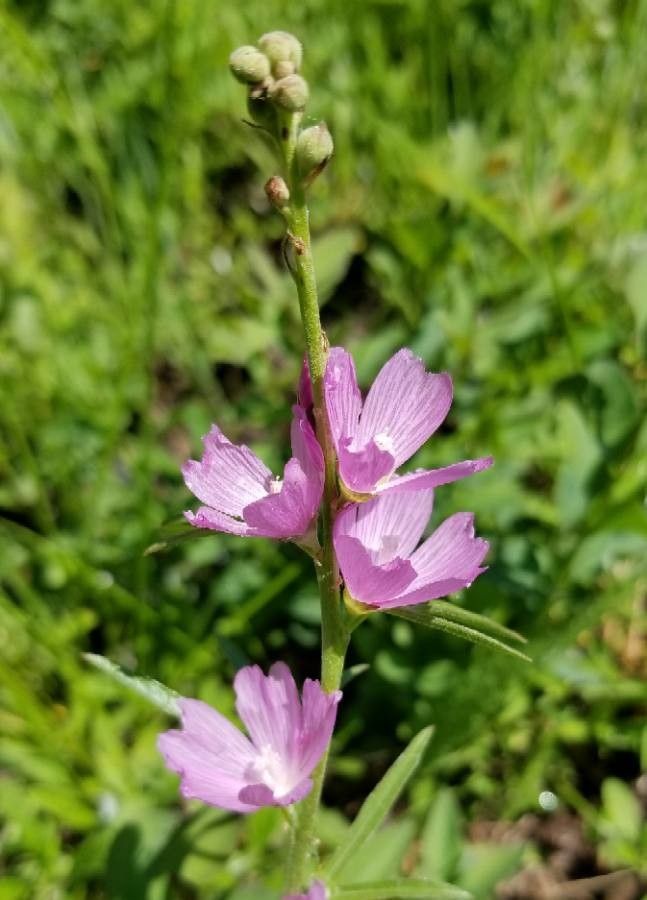
Sidalcea covillei, commonly known as Coville’s checkerbloom, is a captivating perennial native to the southwestern United States. Its delicate, cup-shaped flowers, ranging in color from soft pink to deep rose, dance on slender stems above attractive, lobed foliage. Its drought tolerance and adaptability make it a prized possession for gardeners seeking low-maintenance, aesthetically pleasing additions to their landscapes. However, propagating this charming plant presents its own unique set of challenges. Its relative scarcity in cultivation contributes to the difficulties and rewards of successful propagation.
Seed Germination:
Currently, there are no known reliable methods for seed germination propagation of Sidalcea covillei. While seed production might occur under ideal conditions in its native habitat, germination rates in cultivated settings appear exceptionally low. Further research is needed to determine optimal germination conditions, but attempts at stratification or other pre-treatment techniques haven’t yielded consistent success to date.
Cuttings:
Propagating Sidalcea covillei from cuttings offers a more promising approach than seed germination.
Challenges: Rooting success can be inconsistent, depending on the time of year and the physiological state of the parent plant. Softwood cuttings taken in spring or early summer seem to offer the best chance of success, while hardwood cuttings generally fail.
Practical Tips: Take cuttings of about 4-6 inches in length, removing lower leaves to prevent rot. Use a rooting hormone to boost success rates. Plant cuttings in a well-draining, moist medium like a mix of perlite and peat moss. Maintain high humidity using propagation domes or plastic bags.
Rewards: Cuttings produce genetically identical clones of the parent plant, preserving desirable traits. This makes cuttings an effective method for propagating a particularly vibrant or successful specimen.
Division:
Division is a reasonably reliable method for propagating Sidalcea covillei, particularly for established plants.
Challenges: Division should be carried out during the plant’s dormant period (typically fall or early spring) to minimize stress. Care must be taken to avoid damaging the roots, which can hinder the establishment of new plants.
Practical Tips: Dig up the mature plant carefully, gently separating the root crown into several smaller divisions, each with its own set of roots and shoots. Replant the divisions immediately, ensuring adequate spacing and providing ample watering until established.
Rewards: Division is relatively easy to perform, and successful division results in rapid increases in the number of plants.
Tissue Culture:
Tissue culture propagation for Sidalcea covillei presents both significant hurdles and potential rewards.
Challenges: Establishing optimal culture media and sterilization protocols for this species requires specialized knowledge and equipment. The success rate can vary based on numerous factors, including the age and health of the source material and the precise composition of the culture medium.
Practical Tips: This method is best left to experienced tissue culture professionals and specialized labs.
Rewards: Tissue culture offers the potential for mass propagation of desirable traits, the elimination of diseases, and the rapid increase of rare or endangered cultivars.
Conclusion:
Propagating Sidalcea covillei presents unique challenges across all methods, with seed germination currently proving unreliable. Cuttings offer a moderately successful technique requiring patience and attention to detail, while division provides a simpler, more reliable method for increasing plant numbers. Tissue culture holds great potential but requires specialized expertise.
The satisfaction derived from successfully propagating this beautiful plant is immense, a reward earned through careful observation, experimentation, and understanding its specific requirements. Though the journey may be filled with a few setbacks, the vibrant blooms of successfully propagated Coville’s checkerbloom serve as a testament to the grower’s dedication and a stunning addition to any garden. For aspiring propagators, start with the division method and gradually experiment with cuttings. Remember patience and persistence are key components to success.