
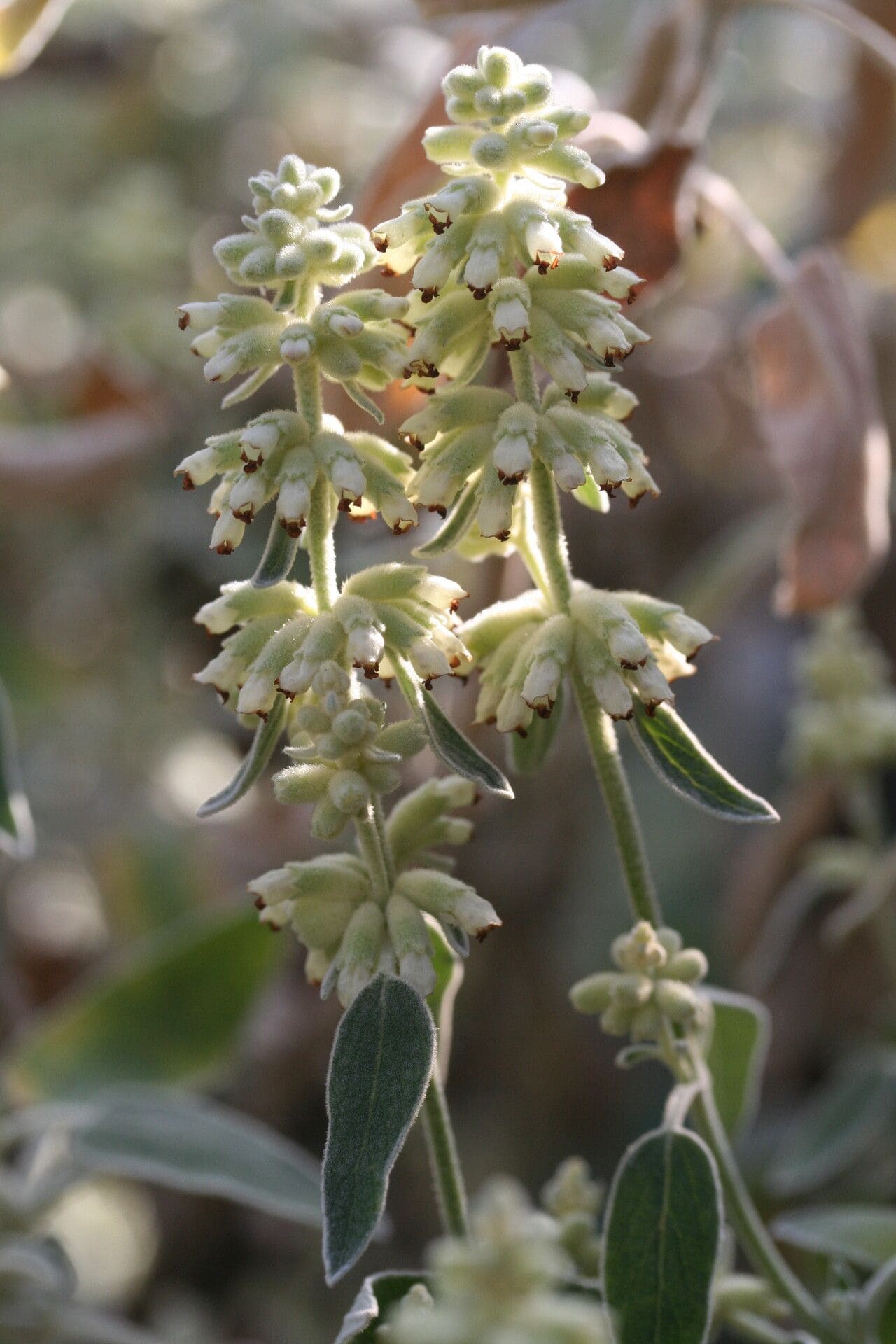
Taming the Mountain Tea: Propagating Sideritis barbellata at Home
Sideritis barbellata, also known as Greek Mountain Tea or Shepherd’s Tea, isn’t just a mouthful to say—it’s a delicious and healthy herbal infusion enjoyed for centuries. With its beautiful silvery leaves and vibrant yellow flowers, it also adds a unique touch to any garden. If you’re looking to invite this Mediterranean marvel into your life, propagating Sideritis barbellata is a rewarding endeavor even for beginner gardeners.
Two Roads to Tea Time: Seed vs. Cuttings
Propagating Sideritis barbellata can be achieved through two main methods: seeds and cuttings.
1. Starting from Seed: A Journey of Patience
- Sowing the Seeds: Start your seeds indoors in late winter or early spring. Use a well-draining seed starting mix and sow the seeds shallowly, just barely pressing them into the soil.
- Warmth and Light: Sideritis barbellata seeds thrive in warmth. A heat mat can be beneficial in the early stages. Once they sprout, ensure they receive bright, indirect light.
- The Waiting Game: Germination can be a bit slow, taking anywhere from 2 to 4 weeks. Be patient and keep the soil consistently moist but not waterlogged.
- Transplanting Time: Once your seedlings have developed a few sets of true leaves and the danger of frost has passed, they’re ready to be transplanted outdoors into their permanent location.
2. Propagating from Cuttings: A Quicker Cup of Tea
- Timing is Key: Take cuttings from healthy, established plants in the spring or early summer when the plant is actively growing.
- Choosing the Right Cuttings: Select stems that are about 4-6 inches long and haven’t flowered yet. Make a clean cut just below a leaf node.
- Prepare the Cuttings: Remove the lower leaves from the cutting, leaving only a couple of pairs at the top.
- Encouraging Root Development: Dip the cut end in rooting hormone (optional but beneficial) and then plant it in a pot filled with a well-draining potting mix.
- Creating a Humid Environment: Cover the pot with a plastic bag or use a propagator to create a warm, humid environment. This will encourage faster rooting.
- Transplanting Time: After about 4-6 weeks, your cuttings should have developed a good root system and be ready to be transplanted into individual pots or your garden bed.
Caring for Your Sideritis Barbellata
Whether started from seed or cuttings, Sideritis barbellata prefers:
- Well-draining soil: This plant is native to rocky, mountainous regions, so it won’t tolerate soggy roots.
- Full sun to partial shade: Aim for at least 6 hours of sunlight per day for optimal growth and flowering.
- Moderate watering: Once established, this drought-tolerant plant only needs watering when the soil is dry to the touch.
Harvesting Your Homemade Tea
Once your Sideritis barbellata plants are well-established, you can start harvesting the leaves and flowers to make your own soothing herbal infusions. Simply snip off a few stems and enjoy the taste of your very own mountain tea!
Propagating Sideritis barbellata is a fulfilling journey that rewards you with both beautiful foliage and the joy of cultivating your own cup of tranquility. So why not add a touch of the Mediterranean to your garden and start your own mountain tea adventure today?