
Taming the Mountain Tea: Propagating Sideritis eriocephala at Home
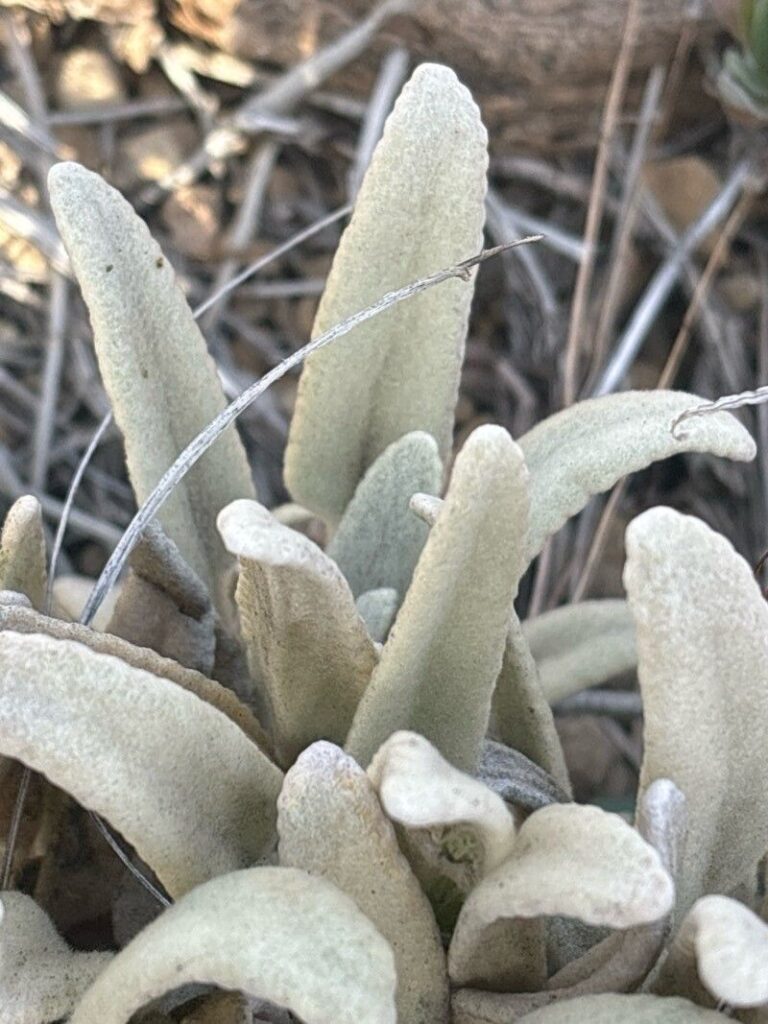
Sideritis eriocephala, also known as Greek mountain tea or ironwort, isn’t just a whimsical name – it’s a treasure trove of flavor and potential health benefits. This charming, silver-leaved plant, native to the mountainous regions of Greece, is prized for its aromatic tea, traditionally used to soothe ailments and boost well-being.
If you’re captivated by this unique herb, you’ll be delighted to know that propagating Sideritis eriocephala at home is an achievable feat, even for beginner gardeners. Here’s a comprehensive guide to help you cultivate your own piece of the Mediterranean mountainside.
Two Roads to Success: Seed vs. Cuttings
While both seeds and cuttings can be used to propagate Sideritis eriocephala, each method has its pros and cons:
1. Seed Propagation:
- Pros: Seeds are generally easier to obtain and offer a greater variety to choose from.
- Cons: Germination rates can be inconsistent, and it takes longer for seedlings to reach maturity.
If you’re using seeds, here’s what to do:
- Timing is key: Sow seeds indoors in early spring (6-8 weeks before the last frost) to give them a head start.
- Prepare the bed: Use a well-draining seed starting mix.
- Light lunch for these babies: Sprinkle seeds on the surface and lightly press them in, as they require light for germination.
- Mist them with love: Keep the soil consistently moist but not soggy.
- Patience is a virtue: Germination can take anywhere from 2 to 4 weeks.
- Sunlight is their friend: Once seedlings emerge, provide them with ample sunlight or grow lights.
2. Propagation from Cuttings:
- Pros: Cuttings offer faster results and ensure the offspring is genetically identical to the parent plant.
- Cons: Finding a healthy mother plant for cuttings may be challenging.
Here’s how to propagate from cuttings:
- Timing matters: Take cuttings in late spring or early summer when the plant is actively growing.
- Choose wisely: Select healthy, non-flowering stems that are about 4-6 inches long.
- Trim with care: Remove the lower leaves, leaving 2-3 pairs at the top.
- Hormone boost: Dip the cut end in rooting hormone (optional but recommended).
- Plant them right: Plant the cuttings in a well-draining potting mix, burying the bottom node.
- Give them a humid haven: Cover the cuttings with a plastic bag or humidity dome to retain moisture.
- Watch for roots: Roots should develop in 4-6 weeks, after which you can transplant the cuttings into individual pots.
General Care for Your Mountain Tea
Sideritis eriocephala thrives in well-draining soil and prefers full sun to partial shade. Once established, they are relatively drought-tolerant but benefit from regular watering, especially during dry spells.
- Soil Sense: Opt for sandy or gravelly soil with good drainage.
- Sun Seeker: Ensure your plants receive at least 6 hours of sunlight daily.
- Water Wisely: Allow the soil to dry slightly between waterings.
- Feeding is caring: Fertilize lightly once a year in spring.
- Pruning for growth: Pinch back tips to encourage bushier growth.
By following these steps, you can successfully propagate Sideritis eriocephala and enjoy the rewards of growing this unique and beneficial herb in your own backyard. So why not embark on this rewarding journey and savor the taste of your own homegrown mountain tea?