
Propagating Sideritis nervosa: A Gardener’s Challenge and Reward
Introduction:
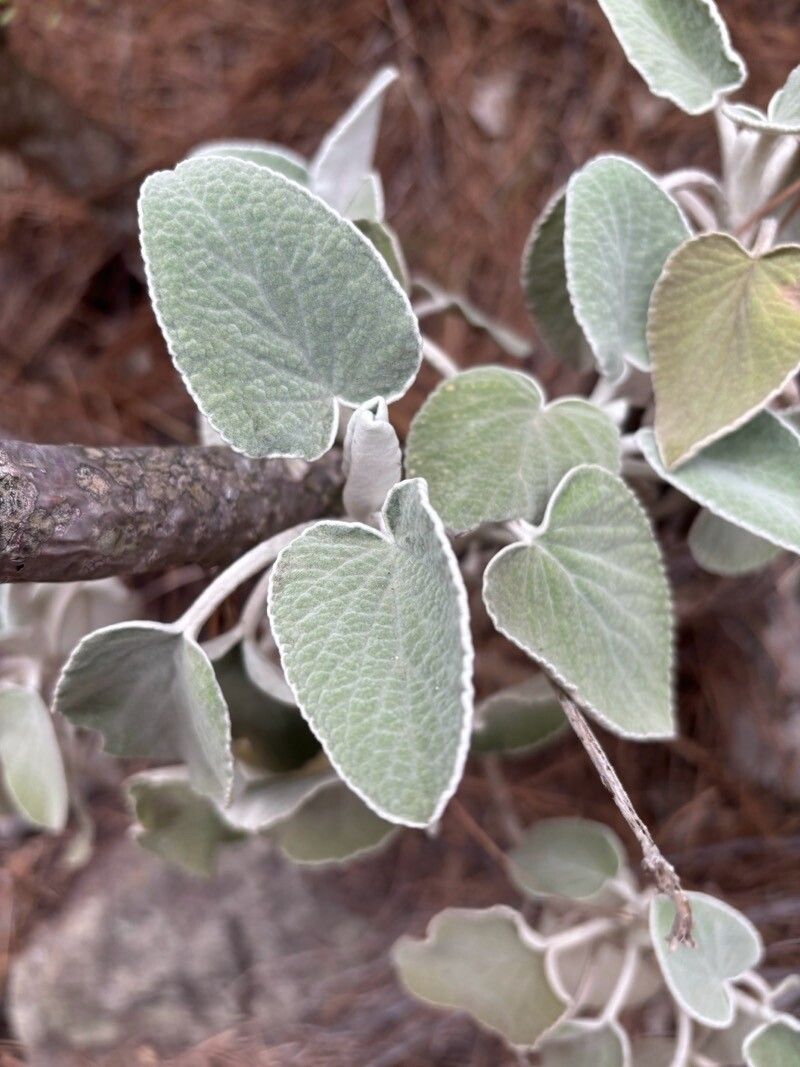
Sideritis nervosa, commonly known as ironwort or Spanish ironwort, is a captivating herbaceous perennial prized for its attractive, fuzzy foliage and charming, vibrant flowers. Native to mountainous regions, this drought-tolerant plant is increasingly popular among gardeners seeking low-maintenance, visually appealing additions to their landscapes, particularly rock gardens and Mediterranean-style plantings. Its unique propagation challenges, however, make successful cultivation a rewarding experience for the dedicated plant enthusiast.
Seed Germination:
Currently, there are no known reliable methods for seed germination propagation of Sideritis nervosa. While seeds may be produced, their germination rate is notoriously low, and consistent success has not been documented in the horticultural literature. The hard seed coat and potential dormancy requirements are likely contributing factors. Further research is needed to develop effective seed germination protocols for this species.
Cuttings:
Cuttings offer a more promising approach to propagating Sideritis nervosa. However, it’s still not a guaranteed success.
Challenges: The success rate depends heavily on factors like the timing (ideally, late spring or early summer), the type of cutting (semi-hardwood cuttings are generally preferred), and the rooting medium (a well-draining mix of perlite and peat moss is recommended). Slow rooting is common.
Tips: Take cuttings from healthy, non-flowering stems, ensuring each cutting includes several nodes. Dip the cut ends in rooting hormone before planting. Maintain high humidity (using a humidity dome or propagating tray) and a warm temperature (around 20-24°C). Patience is key; rooting can take several weeks.
Rewards: Cuttings offer a faster method of propagation compared to other methods. They also allow for the preservation of desirable traits from the mother plant, producing genetically identical offspring.
Division:
Division presents a reasonably reliable method of propagation for established Sideritis nervosa plants.
Challenges: This method is only feasible for mature plants with well-developed root systems. Care must be taken to avoid damaging the roots during the division process, which can negatively affect the survival rate of the divisions. Over-watering the newly divided plants is a common problem.
Tips: Divide the plant in early spring or autumn when the plant is actively growing or dormant, respectively. Ensure each division possesses healthy roots and sufficient foliage. Plant the divisions immediately in well-draining soil and water carefully to avoid root rot.
Rewards: Division is a straightforward method that typically provides a high success rate, yielding multiple plants quickly.
Tissue Culture:
Tissue culture offers the potential for large-scale propagation of Sideritis nervosa, overcoming the challenges of seed germination and achieving rapid multiplication of superior genotypes.
Challenges: Requires specialized equipment, sterile techniques, and expertise in plant tissue culture protocols. Developing a suitable medium and hormone regimen for Sideritis nervosa requires experimentation and may prove challenging.
Tips: This method is best left to experienced tissue culture laboratories.
Conclusion:
Propagating Sideritis nervosa presents a unique set of difficulties, varying significantly depending on the chosen method. While seed propagation is currently unreliable, cuttings offer a viable, albeit relatively slow, option. Division is ideal for established plants and provides a reasonably high success rate. Tissue culture holds the most promise for large-scale propagation but necessitates specialized expertise. The rewards, however, are worth the effort. The satisfaction of nurturing these charming plants from cuttings or divisions, knowing you’ve overcome the inherent challenges, adds a special layer of connection and pride to the gardening experience. To aspiring propagators: be patient, persistent, and don’t be afraid to experiment – the success you achieve will be all the sweeter for the effort required.