
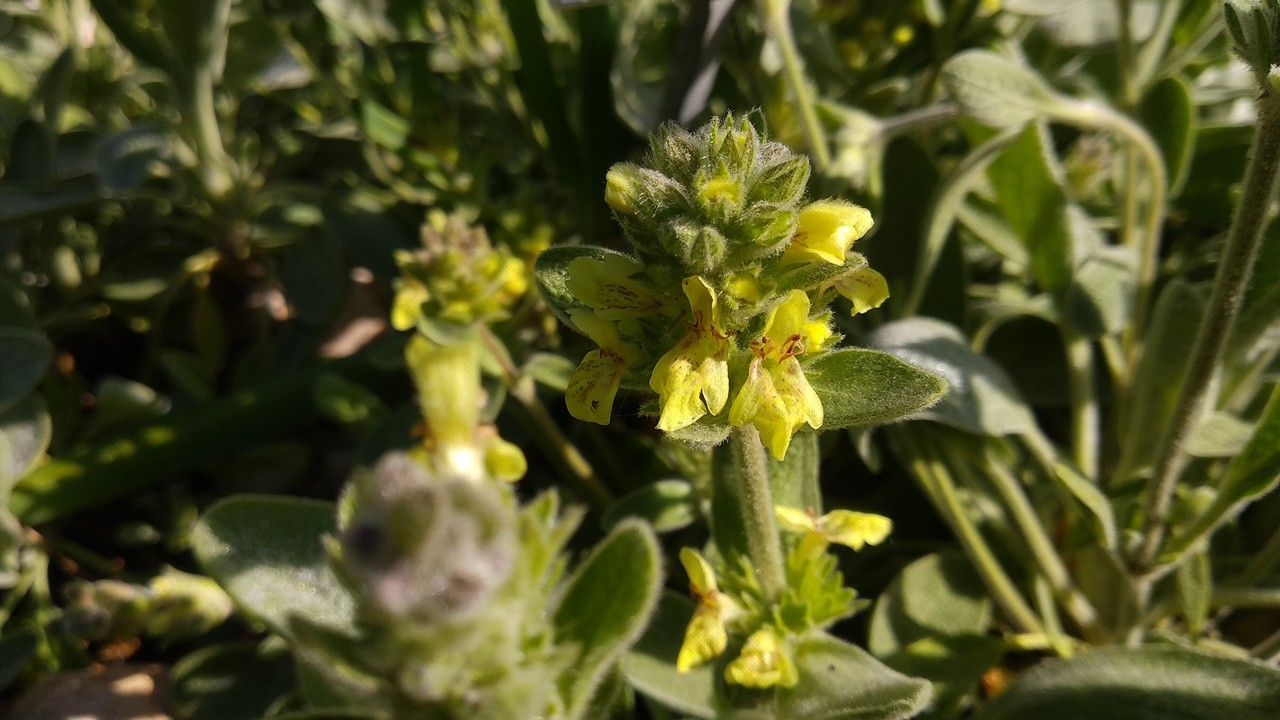
Unveiling the Secrets of Propagating Mountain Tea: A Guide to Growing Sideritis phlomoides
Sideritis phlomoides, more affectionately known as Mountain Tea or Greek Mountain Tea, is treasured for its delightful aroma and a plethora of health benefits. This fuzzy-leaved wonder, native to the mountainous regions of Greece, has captivated tea lovers and gardeners alike. While enjoying its brewed goodness is a treat in itself, wouldn’t it be fulfilling to cultivate this ancient herb in your own backyard?
Propagating Sideritis phlomoides might seem like a botanist’s secret, but fear not! This guide will unlock the mysteries and empower you to grow your own soothing mountain tea garden.
Two Roads to Success: Seed vs. Cuttings
Sideritis phlomoides offers two primary paths for propagation: seeds and cuttings. Each method has its advantages, catering to different gardening styles and experience levels.
1. Starting from Seed: A Rewarding Journey
Propagating from seed is a longer but often more accessible method. It allows you to witness the plant’s entire lifecycle, adding a touch of magic to your gardening experience.
- Sowing Time: Spring is ideal, offering warmth and sunlight for optimal germination.
- Soil Selection: Opt for a well-draining, sandy loam soil.
- Sowing Depth: Scatter seeds on the surface and lightly press them into the soil, as light is crucial for germination.
- Moisture is Key: Maintain consistent moisture but avoid waterlogging. Imagine the mountainous slopes; they drain well!
- Patience, Young Padawan: Germination can take a while, sometimes even a month. Hang in there!
2. Cuttings: A Faster Route to Tea Time
For a quicker path to established plants, cuttings are your best bet. This method utilizes the plant’s inherent ability to sprout roots from stem sections.
- Timing is Everything: Early summer, when the plant is actively growing, is prime time for taking cuttings.
- Choosing the Perfect Cut: Select healthy, non-flowering stems. Cut approximately 4-6 inches long, just below a leaf node.
- Preparation is Power: Remove the lower leaves, leaving only 2-3 pairs at the top.
- Rooting Hormone: A Helping Hand (Optional): Dipping the cut end in rooting hormone can encourage faster root development.
- Potting Mix: A well-draining mix, similar to the seed starting mix, is perfect.
- Moisture and Warmth: Keep the cuttings consistently moist and in a warm, brightly lit location, but out of direct sunlight.
- Signs of Success: In a few weeks, you should see new growth, indicating successful rooting.
Transplanting: Giving Your Mountain Tea Room to Grow
Once your seedlings have a few sets of true leaves or your cuttings show significant new growth, it’s time to give them more space.
- Choose Wisely: Select a sunny location with well-drained soil. Sideritis phlomoides enjoys full sun but can tolerate some shade, especially in hotter climates.
- Spacing is Key: Depending on the variety, space your plants about 12-18 inches apart.
- Water Deeply, But Infrequently: Mimic the natural rainfall patterns of its mountainous home.
- Pruning for Success: Pinch back the tips of young plants to encourage bushier growth and more flower production.
Reaping the Rewards: Harvesting Your Homegrown Tea
After all your dedicated care, the day arrives to harvest your own Sideritis phlomoides! Snip off the flowering tops in the summer, leaving some stems intact to encourage further growth. Dry the harvested stems in a well-ventilated, shady area. Once completely dry, separate the leaves and flowers for brewing your own aromatic and healthful mountain tea.
Growing Sideritis phlomoides is a rewarding journey, connecting you with centuries-old traditions and providing delicious, healthful tea for years to come. So roll up your sleeves, grab your gardening gloves, and embark on the adventure of growing this fascinating and flavorful herb!