
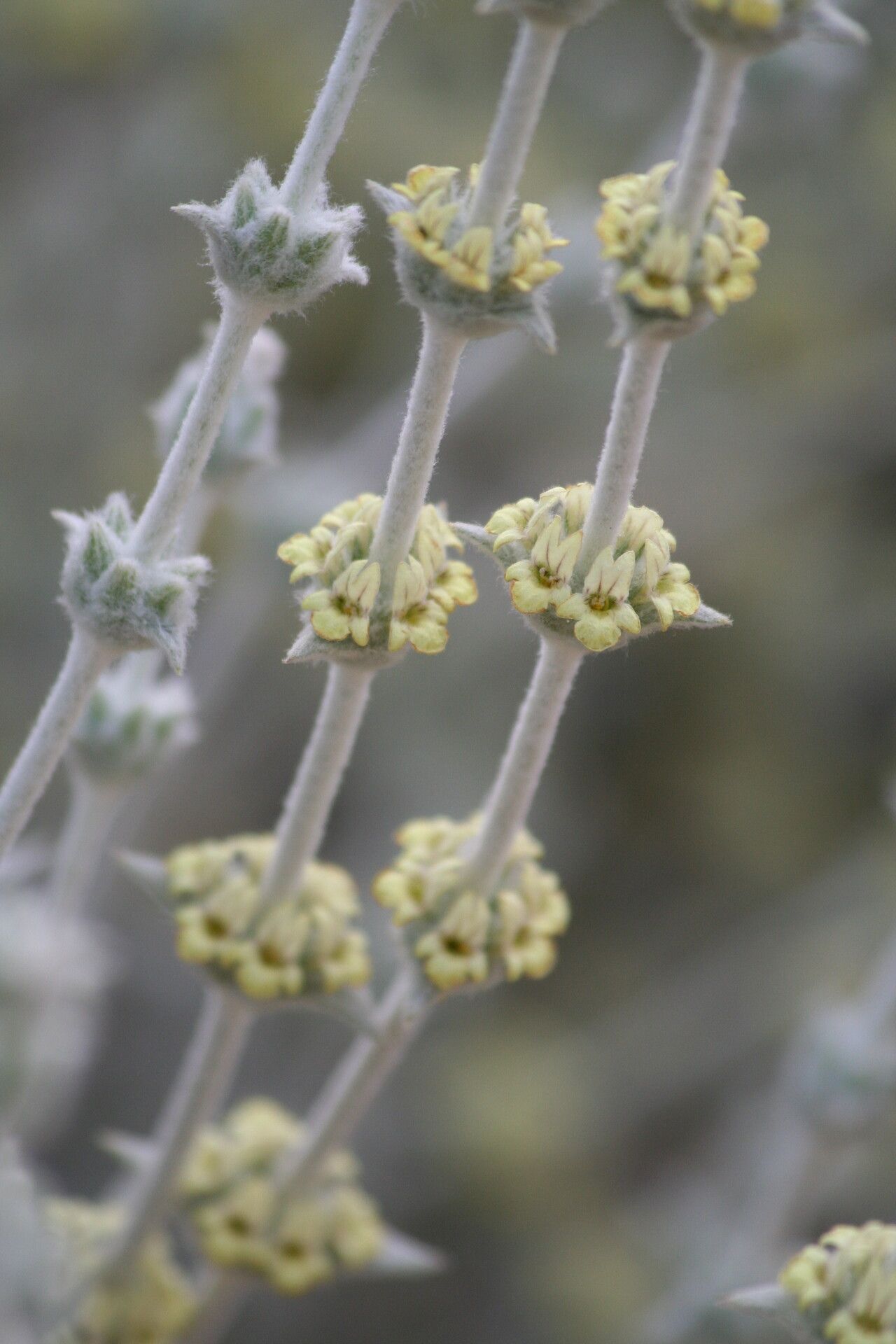
Grow Your Own Mountain Tea: A Guide to Propagating Sideritis trojana
Do you love the taste of herbal teas? Then you might be interested in growing your own Sideritis trojana, also known as Turkish Mountain Tea or “çayır çayı” in Turkish. This aromatic herb, native to the mountainous regions of Turkey, is prized for its unique flavor and purported health benefits. While you might not be able to replicate the high-altitude environment it naturally thrives in, you can successfully propagate Sideritis trojana at home and enjoy its refreshing taste.
This guide will walk you through the various methods of propagation, ensuring you have a thriving patch of Mountain Tea in your garden or indoor space.
Methods of Propagation:
Sideritis trojana can be propagated through seeds, cuttings, and division.
1. Seed Propagation:
While a bit more time-consuming, starting from seed is a rewarding experience. Here’s how:
- Timing: Sow seeds indoors 6-8 weeks before the last frost, or directly outdoors in spring after the last frost.
- Soil: Use a well-draining seed-starting mix.
- Planting: Sow seeds thinly in the mix, covering them with a thin layer of soil.
- Moisture and Temperature: Keep the soil consistently moist but not waterlogged. Maintain a temperature of 70-75°F (21-24°C).
- Germination: expect germination in 10-14 days.
- Transplanting: Once seedlings have developed a few sets of true leaves, transplant them into individual pots or directly into the garden, spacing them 6-12 inches apart.
2. Cuttings:
This method is faster and offers a high success rate. Here’s how to take cuttings:
- Timing: Take cuttings in early spring or late summer when the plant is actively growing.
- Selection: Choose healthy, non-flowering stems. Cut 4-6 inches long pieces, removing the bottom leaves.
- Hormone: Dip the cut ends in rooting hormone powder.
- Potting Mix: Fill a pot with a sterile potting mix that drains well.
- Planting: Insert the cuttings into the mix, about 1 inch deep.
- Care: Keep the soil moist and protect the cuttings from direct sunlight.
- Rooting: Cuttings should root within 4-6 weeks.
3. Division:
This method is best for established Sideritis trojana plants.
- Timing: Divide your plant in early spring or late summer.
- Process: Gently separate the plant into smaller divisions, ensuring each division has roots and stems.
- Replanting: Plant each division in a separate container or directly in the garden, making sure to give them ample space.
Tips for Success:
- Sunlight: Sideritis trojana prefers full sun to partial shade.
- Soil: It requires well-draining soil, preferably a sandy loam.
- Watering: Water regularly, ensuring the soil is evenly moist but not waterlogged.
- Winter Protection: In colder climates, protect the plant with a layer of mulch or bring it indoors for winter.
Benefits of Growing Sideritis trojana:
Beyond its pleasant taste, this herb offers numerous potential benefits:
- Antioxidant Properties: Rich in antioxidants, it can help protect your cells from damage.
- Anti-Inflammatory Effects: May ease inflammation related to various conditions.
- Respiratory Relief: Traditionally used to soothe sore throats and coughs.
Enjoying Your Mountain Tea:
Once your Sideritis trojana plants reach maturity, you can start harvesting their leaves to brew flavorful and potentially healthy teas.
Conclusion:
Propagating Sideritis trojana is an enjoyable journey, allowing you to grow your own source of this delicious and potentially beneficial herb. Whether you choose to start from seed, cuttings, or division, following the guidelines above will ensure a successful propagation experience. Enjoy your own Mountain Tea!