
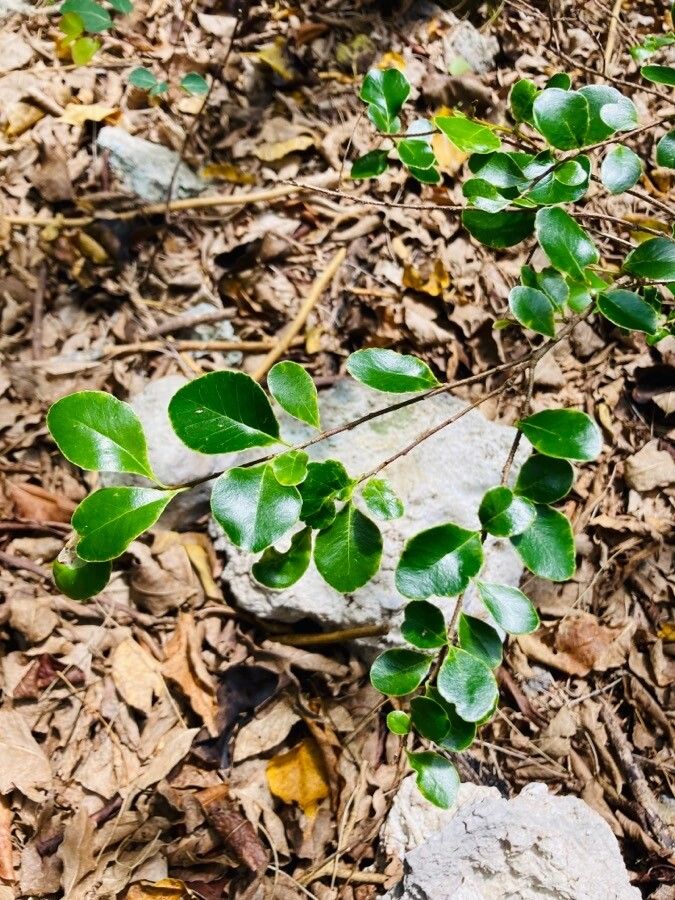
From Seed to Shade: Propagating the Exotic Sideroxylon obovatum
The Sideroxylon obovatum, also known as the Milkwood, is a captivating tree renowned for its glossy, dark green foliage and sturdy, graceful form. Its native to the subtropical regions of South Africa, but its beauty and adaptability have made it popular worldwide. If you’re looking to add a touch of exotic charm to your garden, you might consider propagating your own Milkwood tree. While it’s not the easiest plant to propagate, with the right techniques, it can be done!
Understanding Propagation Methods:
There are two primary methods for propagating Sideroxylon obovatum:
- Seed Propagation: This method offers a more straightforward approach but takes considerably longer.
- Cuttings: While slightly trickier, cuttings offer the possibility of replicating specific characteristics of a parent plant and a faster growth timeline.
Seed Propagation: A Journey of Patience
- Harvesting Seeds: Collect ripe, dark purple fruits from a healthy Milkwood tree. Extract the seeds, remove any surrounding pulp, and wash them thoroughly.
- Scarification: The seed coat of Sideroxylon obovatum is hard and requires scarification to encourage germination. This process involves nicking the seed coat or using sandpaper to roughen its surface.
- Sowing: Sow the seeds in a well-draining seed-starting mix. Keep the soil moist but not waterlogged.
- Patience: Germination can take anywhere from a few weeks to several months. Maintain consistent warmth (around 70°F) and humidity.
- Transplanting: Once seedlings have developed a few sets of true leaves, carefully transplant them into individual pots.
Cuttings: A Quicker Route
- Time is Key: The best time for taking cuttings is during the warm season, ideally in spring or summer.
- Choosing Cuttings: Select healthy, mature stems from the current year’s growth. Aim for 6-8 inches long cuttings with at least two sets of leaves.
- Prepare the Cuttings: Make a clean cut just below a node (the point where a leaf grows from the stem). Remove the bottom leaves, leaving the top two or three.
- Rooting Hormone: Dip the cut end of the cutting in a rooting hormone powder or solution.
- Planting: Insert the cuttings into a well-draining medium, such as a mix of perlite and vermiculite.
- High Humidity: Create a humid environment by placing the cuttings in a clear plastic bag or cloche.
- Patience: Allow the cuttings to root for several weeks.
General Tips for Success:
- Sunlight: Give your plants ample sunlight, but avoid harsh, direct sun, especially for young seedlings and newly rooted cuttings.
- Watering: Maintain consistent moisture, but avoid overwatering. Allow the soil to dry out slightly between waterings.
- Nutrient Rich Soil: Choose a well-draining potting mix rich in organic matter.
- Fertilize Regularly: Apply a balanced liquid fertilizer during the growing season.
Conclusion:
Propagating a Sideroxylon obovatum adds a special touch of personal connection to this magnificent tree. Whether you choose the patient route of seed propagation or the faster approach of cuttings, remember to give your plants the right conditions and care. With time and dedication, you’ll be rewarded with a stunning Milkwood tree that will grace your garden for years to come.