
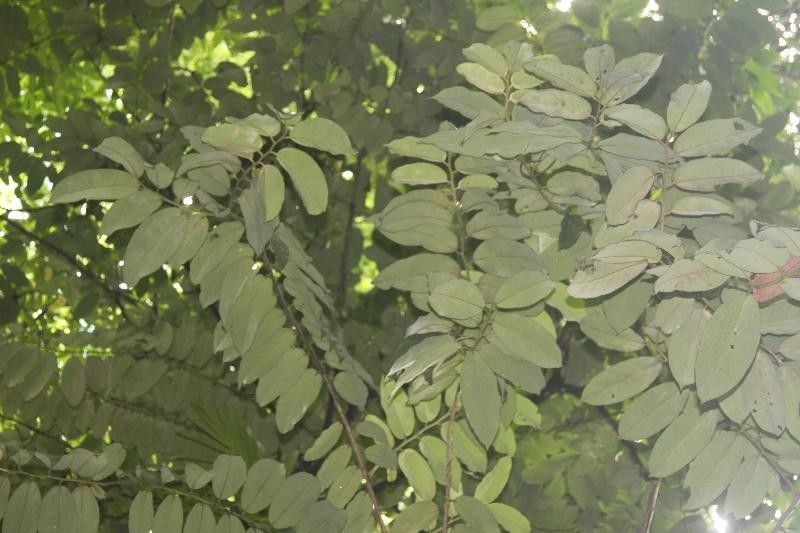
Unlocking the Secrets of Sideroxylon Sessiliflorum: A Guide to Propagation
Sideroxylon sessiliflorum, also known as the “Milkberry” or “Mastic Plum,” is a captivating evergreen tree with lush foliage and intriguing fruit. Native to Florida and the Caribbean, this resilient species adds a touch of tropical elegance to gardens and landscapes. While witnessing its delicate white flowers mature into vibrant purplish-black berries is a delight, many enthusiasts wonder: how can I propagate and share the magic of Sideroxylon sessiliflorum?
This comprehensive guide delves into the art and science of propagating this fascinating tree, empowering you to cultivate new life from existing plants.
Two Paths to Propagation: Seeds and Cuttings
Propagating Sideroxylon sessiliflorum presents a dual opportunity: utilizing seeds or cuttings. Each method offers unique advantages and challenges:
1. Seed Propagation: A Test of Patience and Precision
- Gathering Seeds: Begin by collecting mature berries directly from the tree. Look for plump, dark-colored fruits that easily detach from the branches.
- Extracting and Preparing Seeds: Carefully extract the seeds from the fleshy pulp. Rinse away any remaining fruit remnants and allow the seeds to dry thoroughly for a few days.
- Sowing the Seeds: Plant the seeds in a well-draining seed-starting mix, covering them lightly with soil. Maintain consistent moisture and warmth, mimicking the humid conditions of their natural habitat.
- Germination Journey: Be prepared for the long haul! Seed germination for Sideroxylon sessiliflorum can be notoriously slow, often taking several months or even a year. Patience is key.
2. Cutting Propagation: A Faster Route to Success
- Selecting and Preparing Cuttings: During the active growing season (spring or early summer), choose healthy, semi-hardwood cuttings from established branches. A length of 4-6 inches works best. Remove the lower leaves to minimize water loss.
- Encouraging Root Development: Dipping the cut ends in rooting hormone can significantly enhance root development. Plant the prepared cuttings in a well-draining rooting medium, ensuring good contact between the stem and the medium.
- Creating a Conducive Environment: Utilize a humidity dome or clear plastic bag to retain moisture and create a mini-greenhouse effect. Place the cuttings in a warm, bright location, shielded from direct sunlight.
- Transplanting Success: Within a few weeks, roots should begin to form. Once the cuttings display signs of new growth, you can carefully transplant them to individual pots or directly into the ground.
Cultivating Success: Essential Tips for Thriving Plants
No matter your chosen method, providing optimal conditions is crucial for successful propagation and robust growth:
- Well-Draining Soil: Sideroxylon sessiliflorum thrives in well-drained soil. Amend heavy clay soils with organic matter to improve drainage.
- Sun or Shade?: While this species appreciates some shade, particularly during the hottest periods, it generally prefers full sun to partial shade.
- Watering Wisdom: Water deeply but infrequently, allowing the soil to dry slightly between watering sessions. Overwatering can lead to root rot.
- Fertilizer Finesse: Fertilize your plants during the growing season with a balanced, slow-release fertilizer to support healthy growth and development.
Propagating Sideroxylon sessiliflorum offers a rewarding journey of nurturing new life from seeds or cuttings. By understanding the unique requirements of this captivating species and following these expert tips, you can cultivate a vibrant addition to your garden while contributing to the preservation of this botanical treasure.