
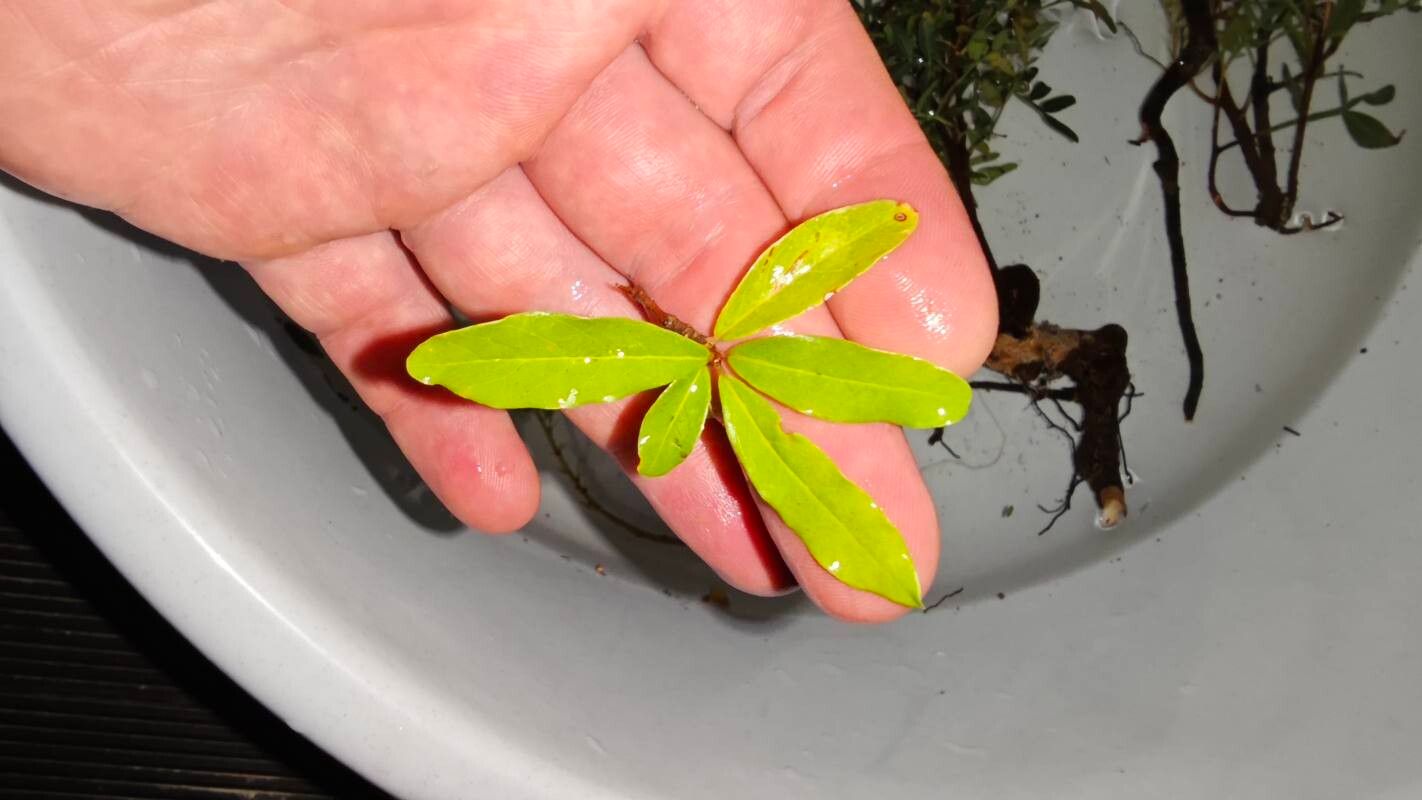
From Tiny Seed to Towering Tree: Propagating the Resilient “Ironwood”
The “Ironwood” (Sideroxylon tenax) is a captivating tree known for its remarkable strength, resilience, and beautiful foliage. But did you know you can bring this magnificent species into your own garden? While it may not be the easiest plant to propagate, with patience and the right techniques, you can cultivate your own Ironwood from seed or cuttings. Let’s delve into the fascinating world of Ironwood propagation!
From Seed to Sapling
The most common method of Ironwood propagation is through seed. Gather mature, red-brown fruits from your Ironwood and carefully extract the seeds. These seeds are notoriously hard to germinate, as they have a tough outer coat and a period of dormancy.
To break the dormancy, you can use a technique called scarification. Gently nick the seed coat with a sharp knife or sandpaper, exposing the inner seed. Another method is to soak the seeds in warm water for 24 hours, changing the water every 8 hours.
After scarification, sow the seeds in a well-draining potting mix and maintain a temperature of around 70-75°F for optimal germination. Be patient, as it can take several weeks or even months for Ironwood seeds to sprout.
Taking Cuttings for a Quick Start
If you have an existing Ironwood, you can also try propagating it through cuttings. Choose healthy, semi-hardwood cuttings from new growth, ideally in late spring or early summer. Cuttings should be around 6-8 inches long with a sharp knife, ensuring a clean cut just below a leaf node.
Dip the cut end of the cutting in rooting hormone to stimulate root growth. Plant the cuttings in a mixture of potting soil and perlite, leaving the bottom 2-3 leaf nodes buried. Keep the soil moist and the cuttings in a warm, bright location, ideally under a humidity dome or plastic wrap to maintain moisture.
Patience is Key
Remember, propagating Ironwood, whether from seed or cuttings, requires patience. It can take a long time for them to establish roots and grow. Provide plenty of sunlight and well-draining soil, and monitor your plants regularly for pests or diseases.
Benefits and Considerations
There are numerous benefits to propagating your own Ironwood:
- Cost-effective: Purchasing a mature Ironwood can be expensive, making propagation a more budget-friendly option.
- Genetic diversity: Propagation from seeds contributes to genetic diversity and helps protect this unique species.
- Personal connection: Growing your own Ironwood adds a special significance to this magnificent tree.
However, before you embark on this journey, consider these factors:
- Slow growth: Ironwood is known for its slow growth rate, meaning you’ll need to exercise patience in its early stages.
- Specific conditions: Ironwood thrives in well-drained, sandy, and slightly acidic soils. Choose a location with ample sunlight and good drainage.
- Salt tolerance: While Ironwood can tolerate some salt, it is not highly salt-tolerant, so choose a location with minimal salt exposure.
A Rewarding Journey
Propagating an Ironwood can be a challenging but rewarding endeavor. By taking the time to understand its specific needs and following the right techniques, you can nurture this remarkable tree from a seedling to a majestic presence in your garden. Enjoy the journey and marvel at the Ironwood’s resilience and beauty as it grows into a symbol of strength and perseverance.