
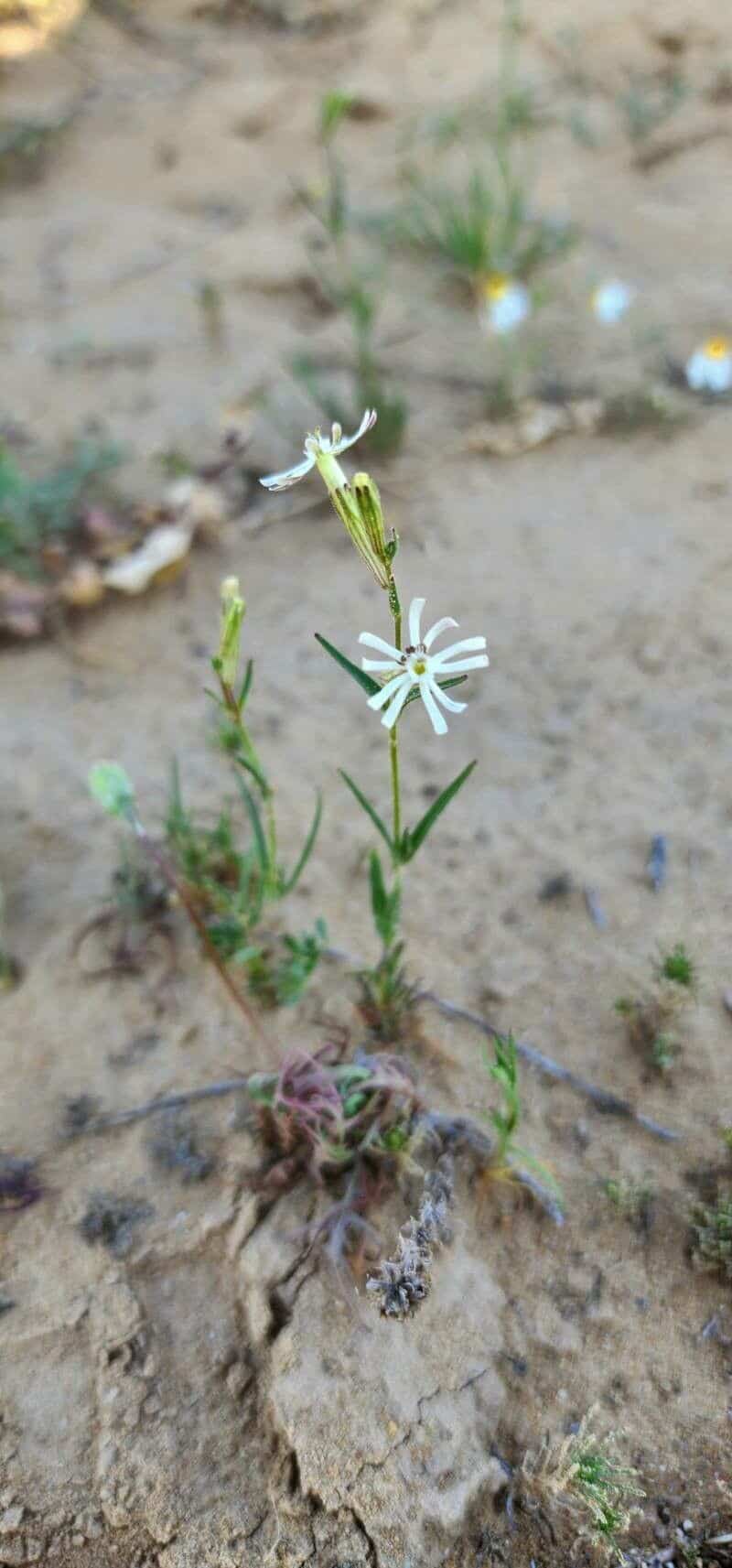
Unveiling the Secrets of Silene Arabica: A Propagation Guide for Beginners
Silene arabica, also known as the Arabian campion, is a captivating little wildflower native to the Mediterranean region. Boasting delicate white flowers with a captivating pink center, this annual plant brings a touch of untamed beauty to any garden space. If you’ve been lucky enough to encounter its charm, you might wonder about the secret to propagating this delightful bloom. Well, wonder no more! We’re about to delve into the world of Silene arabica propagation, equipping you with the knowledge to cultivate this delightful species yourself.
Two Paths to Propagation: Seeds vs. Cuttings
Silene arabica offers two primary paths for propagation: seeds and cuttings.
Seed Propagation: The most common method, seed propagation, allows you to embark on the rewarding journey of raising your Silene arabica from its very beginnings. Luckily, the seeds are relatively easy to collect once the flowers have faded and seed pods have formed.
- Cutting Propagation: While less conventional, propagating from cuttings is a viable option, especially if you’d like a guaranteed replica of a particular plant. This method involves taking cuttings from a healthy Silene arabica and encouraging them to develop roots.
Sowing the Seeds of Success: A Step-by-Step Guide
Ready to embark on your Silene arabica propagation adventure? Let’s break down the seed propagation process:
Timing is Key: The optimal time for sowing Silene arabica seeds is during the cooler months, ideally in early spring or late summer.
Preparing the Seedbed: Choose a well-draining seed starting mix and moisten it thoroughly. You can use seedling trays, pots, or even sow directly into your garden bed if the soil is well-draining.
Sowing the Seeds: Sprinkle your Silene arabica seeds over the surface of the moistened soil, ensuring they’re spaced a few inches apart.
A Gentle Covering: Lightly cover the seeds with a thin layer of soil, just enough to shield them from direct sunlight.
Warmth and Moisture: Silene arabica seeds thrive in warm temperatures around 65-75°F (18-24°C). Maintain consistent moisture by misting the soil regularly, being careful not to overwater.
- Germination Awaits: With proper care, your Silene arabica seeds should germinate within 1-3 weeks.
Nurturing Your Silene Arabica Seedlings
Once your seedlings emerge, it’s time to provide them with the best possible start:
Adequate Light: Provide your seedlings with plenty of bright, indirect sunlight. A sunny windowsill is an ideal location.
Watering Wisely: Water your seedlings whenever the topsoil feels dry to the touch, ensuring proper drainage to prevent soggy roots.
- Thinning Out: If you’ve sown your seeds densely, thin out the weaker seedlings once they have developed a few sets of true leaves. This allows the stronger plants to flourish.
Propagating from Cuttings: A Quick Overview
If you prefer to propagate Silene arabica from cuttings, follow these simple steps:
Taking the Cuttings: In the spring, select healthy, non-flowering stems from an established plant. Make a clean cut just below a leaf node using sterilized shears.
Preparing the Cuttings: Remove the lower leaves from the cutting, leaving a couple of pairs at the top.
Rooting Hormone (Optional): Dip the cut end of the stem in rooting hormone to encourage faster root development.
Planting the Cuttings: Insert the prepared cuttings into a pot filled with a well-draining potting mix.
Maintaining Moisture: Mist the cuttings regularly and keep the soil consistently moist but not waterlogged.
- Transplanting Success: Once your cuttings have developed a healthy root system, you can transplant them to their permanent location in your garden.
Enjoy the Blooms!
Whether you choose to start from seed or cuttings, propagating Silene Arabica is a rewarding experience. With a little patience and care, you’ll soon be rewarded with a beautiful display of this charming wildflower in your garden.