
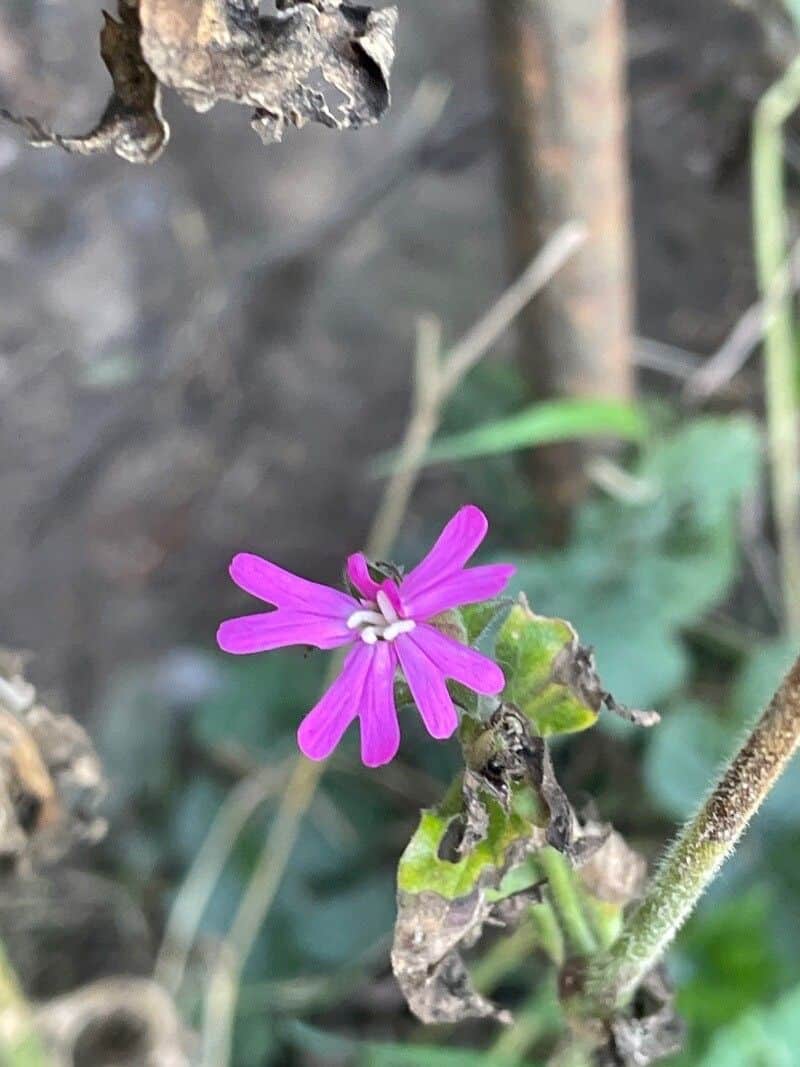
Unveiling the Secrets of Silene cretica: A Propagation Primer
Silene cretica, a charming wildflower native to the Mediterranean region, captivates with its delicate beauty and resilience. This enchanting plant, also known as Cretan Campion, boasts vibrant pink blooms that dance atop slender stems, adding a touch of whimsical elegance to any garden. But have you ever wondered how to welcome this Mediterranean marvel into your own outdoor haven? Today, we delve into the fascinating world of Silene cretica propagation, uncovering the secrets to successfully multiplying this lovely species.
Embracing the Two Paths: Seeds and Cuttings
Silene cretica offers two primary avenues for propagation: seeds and cuttings. Each method comes with its own set of advantages and quirks, catering to different preferences and gardening styles.
1. Sowing the Seeds of Success
Propagating Silene cretica from seeds offers a rewarding experience, allowing you to witness the miracle of life unfold from tiny specks. Follow these steps for optimal results:
- Timing is Key: Sow seeds in early spring or late summer, ensuring they have ample time to establish before extreme temperatures arrive.
- Creating the Perfect Nursery: Use a well-draining seed starting mix and moisten it thoroughly before sowing. Sprinkle the seeds evenly across the surface, pressing them lightly without burying them completely.
- Light and Warmth: Place the seed tray in a bright location, but out of direct sunlight. Maintaining a temperature around 65-70°F (18-21°C) will encourage germination.
- Patience is a Virtue: Germination can take anywhere from 1 to 3 weeks. Keep the soil consistently moist throughout this period.
- Thinning the Herd: Once the seedlings develop two sets of true leaves, thin them out, leaving the strongest ones with adequate spacing to grow.
- Transplanting to Freedom: When the seedlings reach a height of 3-4 inches (7-10 cm) and the danger of frost has passed, carefully transplant them to their permanent location in the garden.
2. The Art of Cuttings: Cloning Your Beloved Blooms
Taking cuttings provides a quicker route to propagation, allowing you to create exact replicas of your favorite Silene cretica plants. Here’s how:
- Choosing the Right Moment: Spring is the ideal time to take cuttings, as the plant is actively growing.
- Selecting Healthy Stems: Choose non-flowering stems that are about 3-4 inches (7-10 cm) long.
- Making the Cut: Use a sharp, sterilized knife or pruning shears to make a clean cut just below a leaf node.
- Encouraging Root Development: Remove the lower leaves and dip the cut end in rooting hormone (optional but beneficial).
- Planting the Cuttings: Insert the cuttings into a well-draining potting mix, burying the bottom node.
- Creating a Humid Haven: Cover the pot with a plastic bag or use a humidity dome to retain moisture and encourage rooting.
- Patience, Once Again: Cuttings usually take 3-4 weeks to form roots.
- Transplanting with Care: Once rooted, carefully transplant the new Silene cretica plants to their designated spots in the garden.
Nurturing Your Silene cretica: A Recipe for Success
Regardless of the propagation method you choose, providing your Silene cretica with the right growing conditions is crucial for its success.
- Sunlight and Soil: This sun-loving plant thrives in well-drained soil and at least 6 hours of direct sunlight per day.
- Watering Wisdom: Water regularly, especially during dry spells, but avoid overwatering which can lead to root rot.
- Feeding for Flourishing: While not heavy feeders, applying a balanced fertilizer in spring can promote healthy growth and abundant blooms.
No matter your gardening expertise, propagating Silene cretica is an attainable and rewarding endeavor. By following these simple steps and showering your plants with care, you’ll soon be greeted by a vibrant tapestry of delicate pink blooms, transforming your garden into a Mediterranean paradise.