
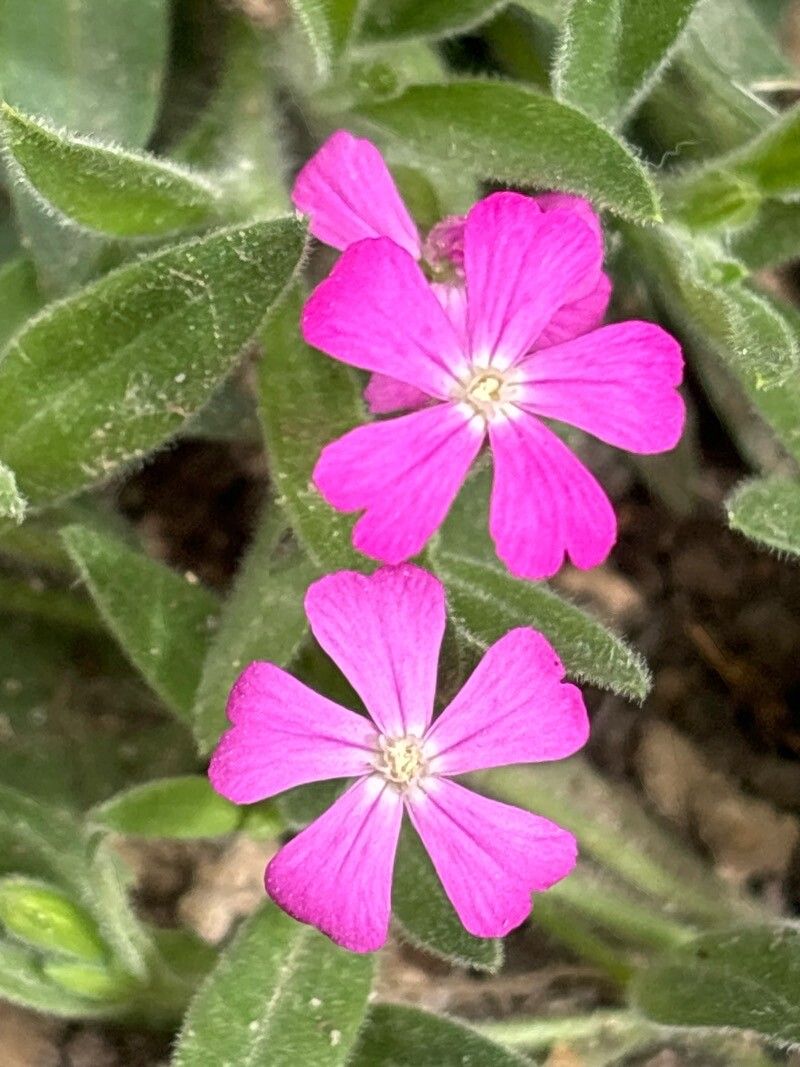
Resurrecting Rarity: A Guide to Propagating the Endangered Silene Diclinis
The Silene diclinis, also known as the Spanish catchfly, is not your average garden variety flower. This critically endangered plant, clinging to survival in a few isolated pockets of Spain, represents a unique challenge and a rewarding opportunity for plant enthusiasts. If you’re intrigued by the idea of nurturing rarity back to life, propagating Silene diclinis might be your calling.
Understanding the Urgency:
Before diving into propagation, it’s crucial to understand why this plant deserves such dedicated efforts. Habitat loss due to human activity has driven the Silene diclinis to the brink of extinction. Successfully cultivating it in controlled environments is vital not only for its conservation but also for potentially reintroducing it to restored natural habitats.
Methods that Matter:
Silene diclinis can be propagated through two primary methods:
Seed Propagation: This is the most common and accessible method. Seeds can be acquired from reputable sources specializing in endangered species conservation. However, Silene diclinis seeds have a reputation for being somewhat challenging to germinate. Here’s a step-by-step guide:
- Cold Stratification: Mimicking the plant’s natural environment, cold stratification is crucial for breaking seed dormancy. Place the seeds in a damp paper towel, seal them in a plastic bag, and refrigerate for 4-6 weeks.
- Sowing: Use a well-draining seed starting mix and sow the seeds shallowly, barely covering them.
- Light and Moisture: Place the seed tray in a bright location, but out of direct sunlight. Keep the soil consistently moist but not waterlogged.
- Patience: Germination can be unpredictable, taking anywhere from a few weeks to several months.
- Cuttings: While slightly more advanced, taking cuttings offers a quicker way to obtain mature plants.
- Timing: Early summer, when the plant is actively growing, is the ideal time to take cuttings.
- Selection: Choose healthy, non-flowering stems. Using a sterile, sharp knife or shears, cut a section about 3-4 inches long, just below a leaf node.
- Preparation: Remove the lower leaves and dip the cut end in rooting hormone (optional but helpful).
- Planting: Stick the cutting in a pot filled with a well-draining rooting mix. Keep the soil moist and provide indirect sunlight.
- Rooting: With proper care, roots should develop within a few weeks.
Creating the Ideal Environment:
Silene diclinis thrives in specific conditions that should be replicated as closely as possible:
- Soil: Well-draining soil is crucial. A mix of peat moss, perlite, and sand replicates its natural rocky habitat.
- Light: Bright, indirect sunlight is ideal. Avoid harsh, direct afternoon sun.
- Water: Water regularly, allowing the soil to dry slightly between waterings. Avoid overwatering, which can lead to root rot.
- Temperature and Humidity: Silene diclinis prefers cooler temperatures, ideally between 60-70°F (15-21°C) during the day and cooler at night. Moderate humidity is suitable.
More Than Just Gardening:
Propagating the Silene diclinis isn’t just about adding a beautiful flower to your collection; it’s about participating in active conservation. By providing this endangered species a fighting chance, you become a part of a bigger story, one of resilience, dedication, and the hope for a future where Silene diclinis thrives once again in its natural habitat.