
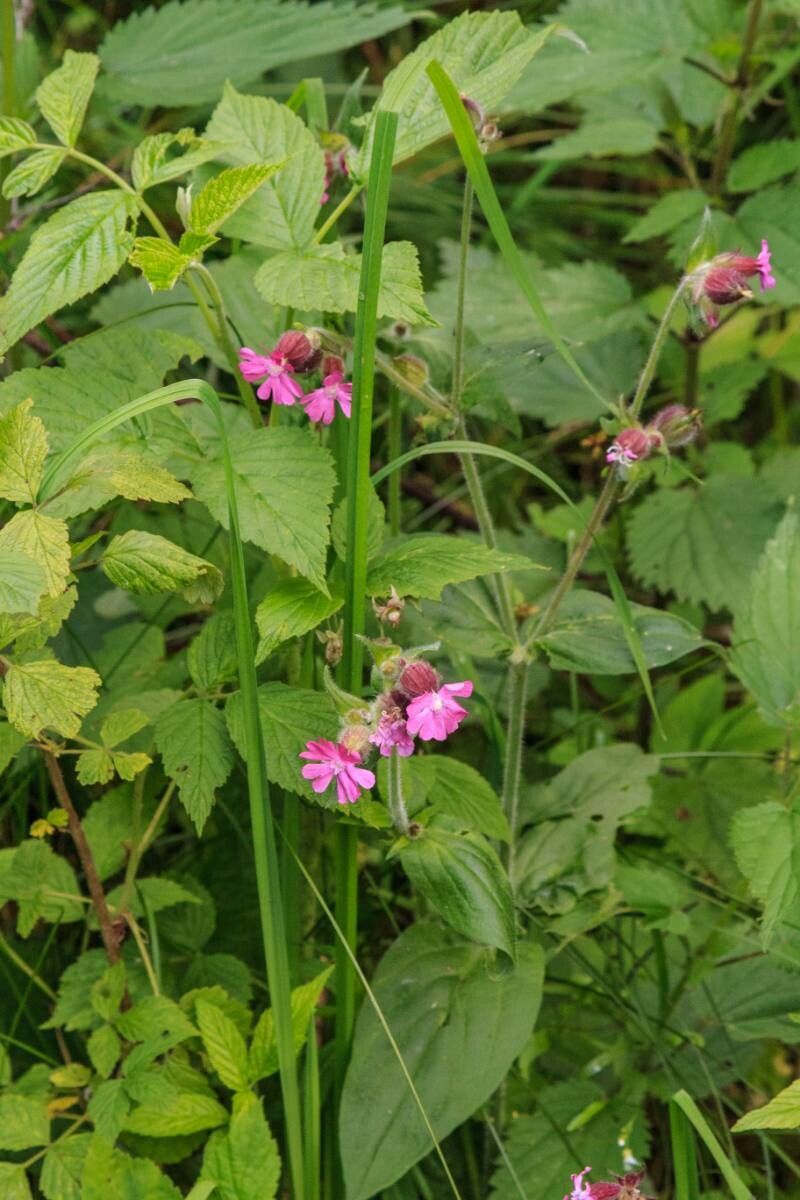
Double the Beauty: Propagating Red Campion (Silene dioica)
Red campion, with its vibrant pink blooms and delicate petals, is a charming addition to any garden. This European native, scientifically known as Silene dioica, not only delights the eye but also attracts pollinators, making it a favorite for biodiversity enthusiasts. While acquiring established plants is an option, propagating your own red campion is a rewarding endeavor that allows you to increase your stock and share this lovely species with others.
Sowing Seeds: A Dance with Patience
The most common method of propagating red campion is through seeds. This method, while straightforward, requires a bit of patience. Here’s a step-by-step guide:
- Seed Collection: Late summer is ideal for collecting seeds. Look for the small, brown capsules that develop after the flowers fade. Once the capsules turn papery, carefully collect and store them in a cool, dry place until ready for sowing.
- Sowing Time: You can start your seeds indoors between February and April or sow them directly outdoors between April and June. This plant prefers cooler temperatures for germination.
- Sowing Procedure: Choose a well-draining seed starting mix or prepare a bed with loose, fertile soil. Sow the seeds thinly, covering them lightly with soil. Keep the soil consistently moist but not soggy.
- Germination: Red campion seeds can be slow to germinate, typically taking 2 to 4 weeks. Be patient and ensure the soil remains moist. Once the seedlings emerge, provide them with ample light and air circulation to prevent damping off.
Division: Sharing the Bounty
For a quicker method of propagation, consider dividing established red campion plants. This technique is best performed in spring or autumn when the plant is dormant or actively growing, respectively. Follow these steps for success:
- Lifting the Plant: Carefully dig around the base of a mature, healthy clump, ensuring you go deep enough to capture the entire root system.
- Dividing the Clump: Gently tease apart the crown of the plant, separating it into smaller sections. Each division should have a good amount of roots and shoots attached.
- Replanting: Replant the divisions in their new locations immediately, ensuring the crown sits at the same soil level as before. Water them thoroughly and keep the soil consistently moist until they establish.
Caring for Your New Additions
Once your new red campion plants are established, they are relatively low-maintenance. They prefer a location with full sun to partial shade and well-draining soil. Deadheading spent flowers can encourage a longer blooming period. Water regularly, especially during dry spells, but avoid overwatering as this can lead to root rot.
A Final Note: While red campion offers a vibrant splash of color, it can self-seed prolifically. If you want to prevent it from spreading uncontrollably, deadhead the spent blooms before they form seed capsules.
Propagating red campion allows you to easily multiply these delightful flowers, bringing more beauty to your garden and supporting local pollinators. Whether you choose to sow seeds or divide established plants, the rewards of a thriving red campion patch are well worth the effort.