
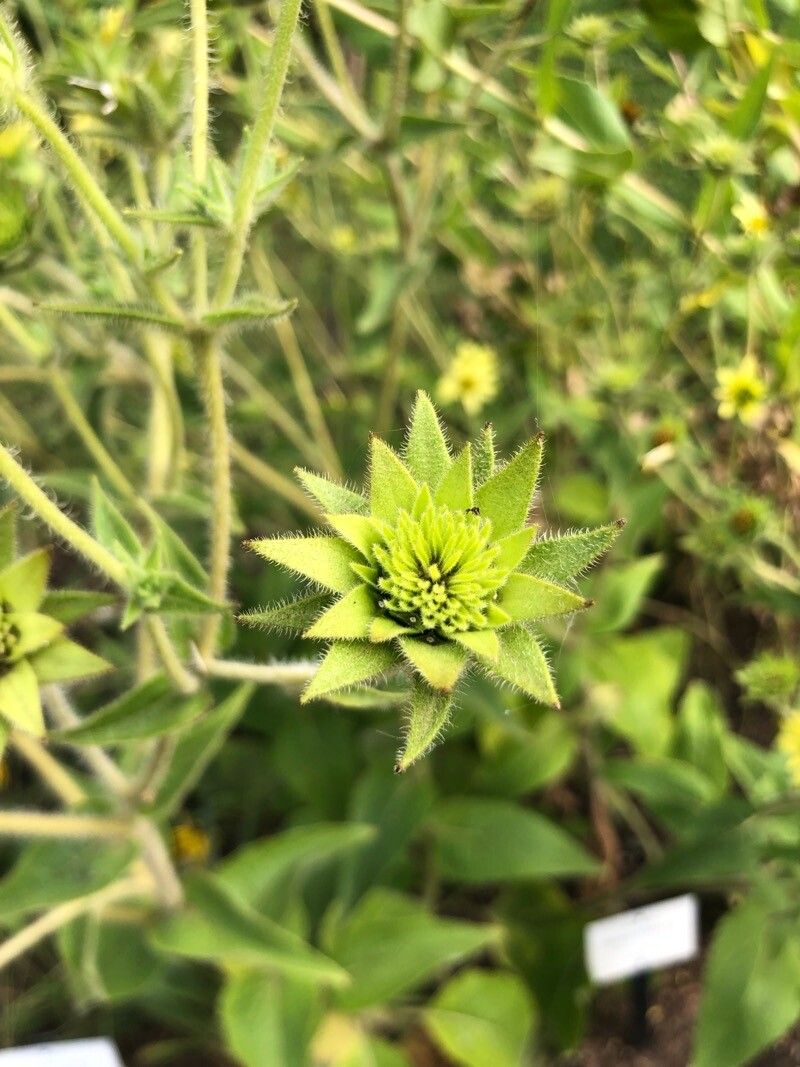
Unlocking the Secrets of Mohrs’ rosinweed: A Guide to Propagation
Mohr’s rosinweed ( Silphium mohrii) might not roll off the tongue as easily as “sunflower,” but this lesser-known member of the Asteraceae family boasts just as much charm and resilience. Imagine a towering beauty, reaching upwards of six feet tall, adorned with bright yellow, daisy-like flowers that attract a symphony of pollinators. Native to the southeastern United States, Mohr’s rosinweed is a low-maintenance perennial that thrives in challenging conditions, making it a unique and rewarding addition to any garden.
If you’re looking to introduce this stunning plant to your landscape, propagation is key. While Mohr’s rosinweed isn’t readily available in garden centers, don’t despair! With a little patience and the right techniques, you can successfully propagate this resilient plant and enjoy its blooms for years to come.
Two Paths to Propagation: Seeds and Divisions
1. Sowing the Seeds of Success
Propagating Mohr’s rosinweed from seed is an adventure that connects you with the plant’s life cycle. Here’s how you can embark on this journey:
- Harvesting: Collect seeds from mature flower heads in late summer or early fall. Look for dry, brown seed heads with readily released seeds.
- Stratification: To mimic natural winter conditions and encourage germination, stratify the seeds by placing them in a damp paper towel inside a sealed plastic bag in the refrigerator for at least 30 days.
- Sowing: In spring, sow the stratified seeds in seed trays or directly into your prepared garden bed. If starting indoors, transplant the seedlings outdoors after the last frost.
- Patience is Key: Germination can be slow and erratic with Mohr’s rosinweed, sometimes taking several weeks or even months. Don’t lose hope!
2. Division: Multiplication by Separation
For quicker results and guaranteed replicas of the parent plant, division is the way to go. This method is best suited for established plants:
- Timing is Everything: Divide Mohr’s rosinweed in early spring or fall when the plant is dormant.
- Careful Excavation: Using a sharp spade or garden fork, carefully lift the entire plant from the ground, ensuring minimal damage to the roots.
- Division Tactics: Divide the plant into smaller sections, each with a healthy root system and several growth points.
- Replanting: Replant the divisions immediately in their new locations, ensuring adequate spacing for mature growth.
Nurturing Your Newly Propagated Plants
Whether you’ve opted for seeds or divisions, providing proper care will foster healthy growth:
- Sun-drenched Location: Mohr’s rosinweed flourishes in full sun but tolerates partial shade.
- Well-drained Soil is Essential: While adaptable to different soil types, good drainage is crucial to prevent root rot.
- Watering Wisely: Once established, this resilient plant is relatively drought-tolerant. Water deeply during dry periods, especially during the first year.
- Minimal Feeding Required: Mohr’s rosinweed thrives in lean soil and doesn’t require frequent fertilization.
By mastering the art of propagation, you can invite the captivating beauty of Mohr’s rosinweed into your garden. With a little effort and these valuable techniques, you’ll soon be enjoying a symphony of bright yellow blooms that dance in the summer breeze.