
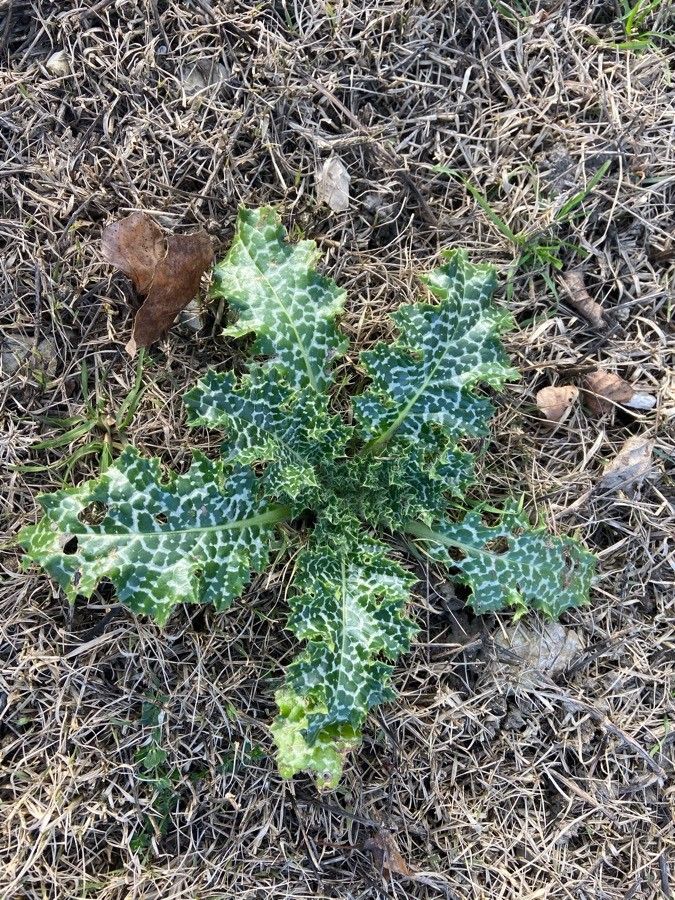
Milk Thistle Magic: Unlocking the Secrets of Propagation
You might know it as Milk Thistle, a name that conjures up images of medicinal benefits. But did you know that this powerful plant is also remarkably easy to propagate? Whether you’re a seasoned gardener or just starting out, understanding the secrets of Milk Thistle (Silybum marianum) propagation can empower you to grow this fascinating herb in your own backyard.
Seeds: The Key to New Life
The most common way to propagate Milk Thistle is from seed. These seeds, often found in your local garden center, are a gateway to a new generation of these robust plants. Here’s how to make the most of them:
Direct Sowing: In the spring, directly sow the seeds into your garden bed, spacing them about 1-2 feet apart. Milk Thistle thrives in full sun and well-drained soil. Remember, these seeds like warmth, so wait until the soil temperature is at least 60°F.
Starting Seeds Indoors: For a head start, you can start your seeds indoors a few weeks before the last frost. Fill seed trays with seed-starting mix, and gently press one seed into each cell. Keep the soil moist and warm (around 70°F), and you should see sprouts within a week to ten days.
- Transplanting: Once seedlings have several true leaves, carefully transplant them outdoors, keeping the root ball intact. Gradually acclimate them to the sun over a few days to prevent shock.
Beyond Seeds: A Unique Approach
While seeds are the most common method, Milk Thistle also offers an intriguing way to propagate through its unique seed heads. Think of it as a natural “cloning” process:
Harvesting the Seed Head: Once the flower head has matured and dried, you’ll notice a cluster of spiky seeds within the “thistle” structure. Gently harvest the seed head, being careful not to lose the seeds.
- Separating the Seeds: While seeds can be scattered directly into the soil, gently breaking open the seed head will release individual seeds, offering more control over placement.
Important Considerations for Success
Whether you’re starting with seeds or harvested seed heads, there are a few key factors for successful Milk Thistle propagation:
- Light and Temperature: As we mentioned, Milk Thistle thrives in full sun and warmer temperatures. Ensure your chosen site and indoor conditions provide ample light and warmth.
- Water Wisely: Milk Thistle is drought-tolerant, but it’s crucial to keep the soil consistently moist while the seedlings are establishing themselves. Once mature, they can handle drier periods.
- Prepare the Soil: Milk Thistle prefers well-drained soil with a neutral pH, meaning it’s not too acidic or too alkaline. Amend your soil with compost to improve drainage and nutrient content.
A World of Benefits
By mastering the art of Milk Thistle propagation, you’re opening doors to a world of benefits. From its robust, architectural foliage to its beautiful purple flowers, Milk Thistle adds visual interest to any garden. But beyond its aesthetic appeal lies its potent medicinal value, prized for its liver-supporting properties.
So, unlock the secrets of Milk Thistle propagation and embark on your own journey of growing this remarkable herb. With a little care and attention, you’ll discover the joy of cultivating your own Milk Thistle magic!