
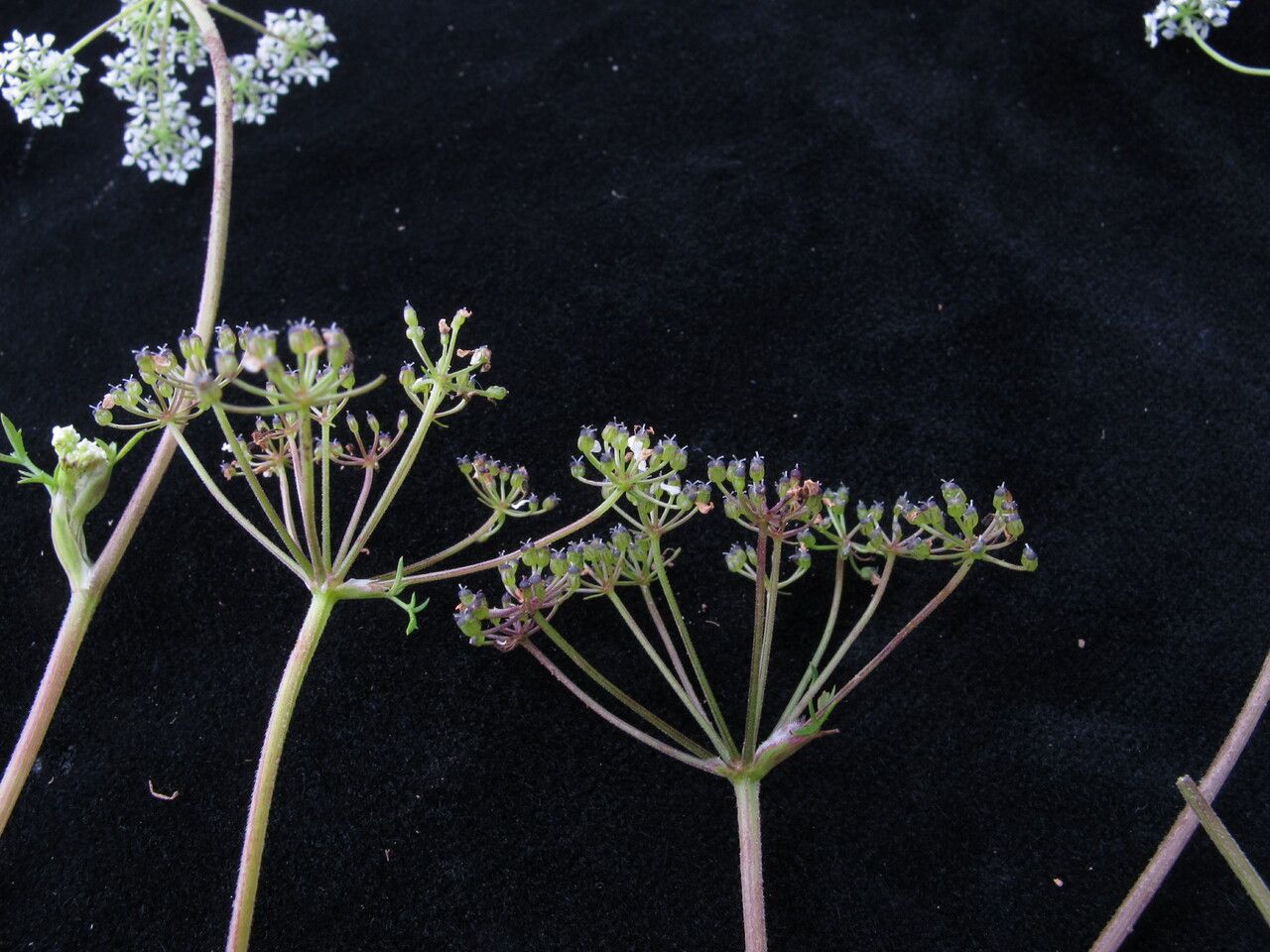
Unveiling the Secrets of Sinocarum Pulchellum Propagation: A Guide for the Curious Gardener
Sinocarum pulchellum, with its delicate, fern-like foliage and charming umbels of pale pink flowers, is a hidden gem waiting to be discovered by passionate gardeners. Native to the high meadows and forests of the Himalayas, this enchanting perennial can bring a touch of ethereal beauty to rock gardens, woodland settings, and even shaded patio containers. But how do you invite this elusive beauty into your own green haven? The answer lies in understanding the secrets of Sinocarum pulchellum propagation.
While not widely available in garden centers, propagating Sinocarum pulchellum is surprisingly achievable, even for those new to the world of plant reproduction. Let’s explore the two most effective methods:
1. Seed Starting: A Journey of Patience and Reward
For the patient gardener who enjoys witnessing the miracle of life unfold, seed starting offers a deeply rewarding experience. Here’s how to embark on this journey:
- Timing is Key: Sow Sinocarum pulchellum seeds in late winter or early spring, ideally 6-8 weeks before the last expected frost in your region.
- Creating the Perfect Nursery: Use a well-draining seed starting mix and sprinkle the tiny seeds evenly over the surface. Gently press them into the mix, ensuring they are covered with a thin layer.
- Light and Warmth: Sinocarum pulchellum seeds need light to germinate. Place the seed tray in a bright location, out of direct sunlight. Maintain a temperature around 65-70°F (18-21°C). A seedling heat mat can be beneficial for maintaining consistent warmth.
- The Waiting Game: Be patient! Germination can take anywhere from 3 weeks to a couple of months. Keep the soil consistently moist but not waterlogged using a spray bottle to avoid disturbing the seeds.
- Transplanting Success: Once the seedlings develop a couple of true leaves, they are ready to be transplanted into individual pots filled with a well-draining potting mix. Handle the delicate seedlings with care during this process.
2. Division: Multiplying Your Floral Treasures
For quicker results and a head start on enjoying Sinocarum pulchellum’s ethereal beauty, division is an excellent propagation method. Here’s the step-by-step guide:
- The Right Time: The ideal time for division is early spring, just as new growth begins to emerge.
- Gentle Separation: Carefully dig up a healthy, established clump of Sinocarum pulchellum. Using a sharp, clean knife or garden spade, divide the clump into smaller sections, ensuring each section has a good root system and several growth points.
- Replanting: Choose a location with partial shade and well-draining soil. Plant the divided sections at the same depth they were previously growing.
- Water Wisely: Water the newly planted divisions thoroughly and keep the soil consistently moist as they establish themselves.
A Final Note of Encouragement:
Propagating Sinocarum pulchellum might seem like a botanical endeavor reserved for seasoned gardeners, but with a little patience and care, even beginners can welcome this enchanting perennial into their gardens. So, embrace the joy of propagation and watch as your efforts blossom into a tapestry of delicate beauty!