
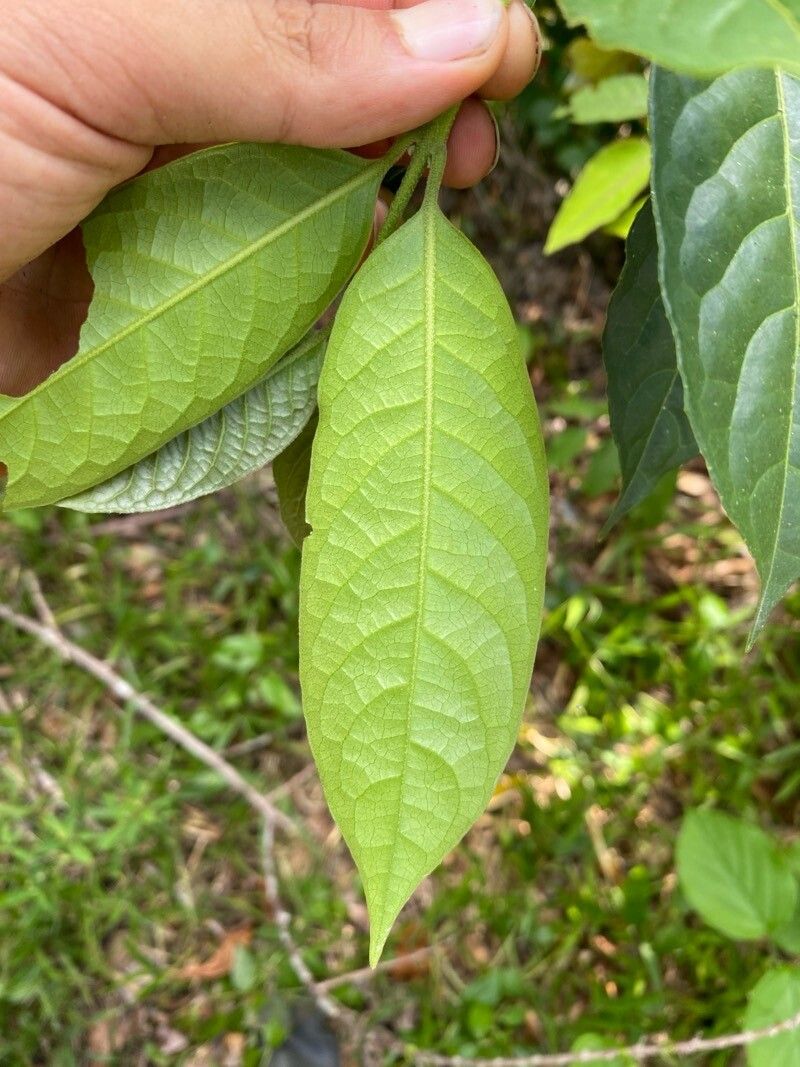
Taming the Wild Guava: How to Propagate Siparuna guianensis
Siparuna guianensis, perhaps better known as the Wild Guava or Stinkingtoe, is a fascinating plant not often seen in cultivation. Native to the tropical rainforests of South America, this exotic beauty boasts glossy leaves, intriguing flowers, and a unique aroma that earns it its curious nickname. While not for the faint of heart, propagating your own Siparuna guianensis can be a rewarding challenge for adventurous gardeners.
Understanding the Challenge:
Before diving in, it’s crucial to acknowledge that propagating Siparuna guianensis isn’t a walk in the park. Unlike more common garden varieties, this species requires patience and a bit of a green thumb. Its seeds are notoriously fickle, with inconsistent germination rates. However, understanding the plant’s natural habitat gives us clues on how to increase our chances of success.
Method 1: Seed Propagation – A Game of Patience:
- Source your seeds: Sourcing viable seeds is the first hurdle. Your best bet is to obtain fresh seeds from a reputable online vendor specializing in exotic or rainforest plants.
- Mimic the rainforest: In their natural habitat, Siparuna seeds rely on the warmth and humidity of the rainforest floor to germinate. Recreate this environment using a seed tray filled with a well-draining seed starting mix.
- Sow and wait: Plant the seeds about half an inch deep and keep the soil consistently moist but not waterlogged. A seedling heat mat can help maintain optimal temperatures (around 75-80°F).
- Exercise patience: Germination can take anywhere from a few weeks to several months, so don’t despair if you don’t see sprouts immediately.
Method 2: Cuttings – A Faster, But Trickier Route:
- Timing is key: Take semi-hardwood cuttings in late spring or early summer when the plant is actively growing.
- Choose wisely: Select healthy stems that are not too old or young and have at least two nodes.
- Hormone boost: Dip the cut end in rooting hormone to encourage root development.
- Create a humid haven: Plant the cuttings in a pot filled with a well-draining potting mix and enclose the pot in a plastic bag or humidity dome to maintain moisture.
- Monitor closely: Keep the soil consistently moist and provide bright, indirect light. It can take several weeks for roots to establish.
Care for your Siparuna guianensis:
Successfully propagating Siparuna guianensis is a feat worth celebrating. Once your new plants are established, provide them with the following care:
- Well-draining soil: Prevent root rot by using a loose, well-draining potting mix.
- Warmth and humidity: Siparuna guianensis thrives in warm temperatures and high humidity. Mist regularly or use a humidifier to mimic their natural environment.
- Bright, indirect light: Avoid direct sunlight which can scorch the leaves.
- Fertilize regularly: Feed your plant with a balanced fertilizer during the growing season.
Propagating Siparuna guianensis may not be the easiest task, but the rewards of nurturing this unique and beautiful plant are well worth the effort. With patience, care, and a touch of green magic, you can successfully grow your own piece of the rainforest at home.