
From Seed to Splendor: Propagating the Giant Flower of the Andes, Siphocampylus giganteus
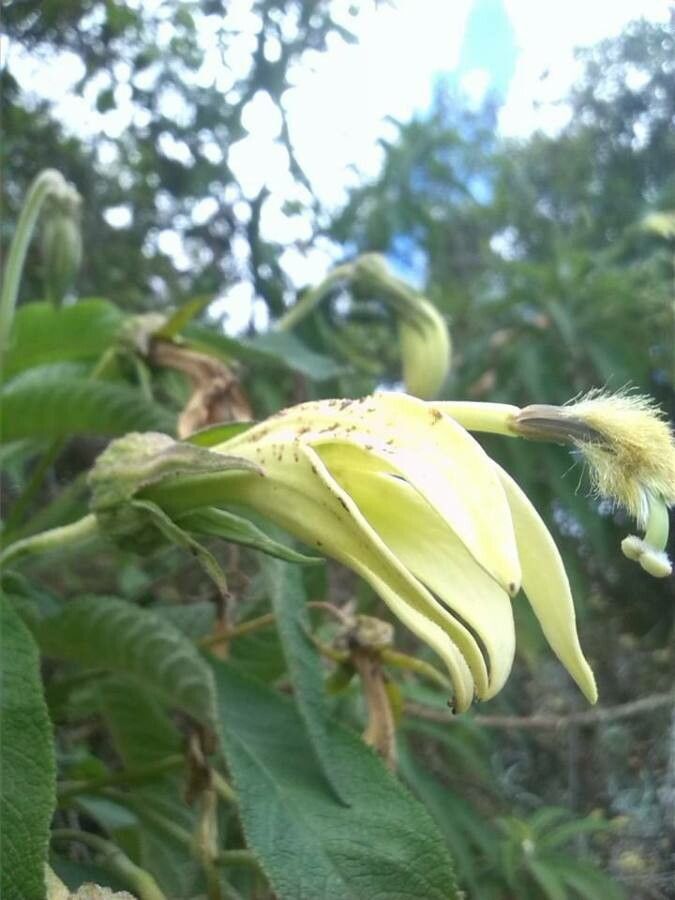
The Siphocampylus giganteus, also known as the Giant Flower of the Andes, is a captivating plant with an allure that stems from its extraordinary bloom. With its large, bell-shaped, and vibrant red flowers, it’s a stunning addition to any garden. But what if you could share this beauty with others, or even propagate your own collection? Let’s dive into the world of propagating Siphocampylus giganteus!
Propagation Methods:
There are two main methods for propagating Siphocampylus giganteus:
1. Seeds:
- Collecting Seeds: The most common and readily available method is through seeds. When the flowers of the plant fade, they will form capsules containing tiny seeds. Collect these capsules once they turn brown and dry, and gently shake out the seeds onto a piece of paper.
- Sowing Seeds: Fill a seed tray with a well-draining seed-starting mix and moisten it thoroughly. Sow the tiny seeds on the surface, lightly sprinkling with more seed starting mix. Cover the tray with a clear plastic dome or wrap to create warmth and humidity.
- Germination: Place the tray in a warm, bright location, avoiding direct sunlight. Keep the seed mix consistently moist but not soggy. Germination can take anywhere from 4 to 8 weeks. Once seedlings emerge, remove the plastic dome and allow them to grow until they are big enough to handle.
2. Cuttings:
- Taking Cuttings: This requires a bit more finesse. During spring or summer, take softwood cuttings (new growth) from the plant. Cut a 4-6 inch section from the top of a stem and gently remove the lower leaves.
- Rooted Cuttings: Dip the cut end in rooting hormone to encourage root development. Plant the cutting in a pot filled with a well-draining, moisture-retentive potting mix. Cover the pot with a clear plastic bag to create a humid environment.
- Care: Place the pot in a bright location but out of direct sunlight. Keep the soil moist but not waterlogged. Roots should develop within a few weeks. Once you see new growth, you can remove the plastic bag and gradually acclimate the new plant to normal conditions.
Tips for Successful Propagation:
- Patience is key: Both methods, especially seed germination, require patience. Don’t worry if you don’t see results immediately.
- Water wisely: Too much water will lead to soil compaction and root rot, while too little can dry out young seedlings and cuttings. Use a well-draining mix and water when the top inch of soil feels dry.
- Simulate the natural environment: Siphocampylus giganteus thrives in cool, humid conditions. If you live in a drier climate, you might need to provide extra humidity by misting regularly or placing the plant in a tray filled with pebbles and water.
Enjoy the Growth:
Once your propagated Siphocampylus giganteus plants reach a reasonable size, you can repot them into larger containers or even plant them directly in the garden, if your climate allows. These plants are relatively low-maintenance and will reward you with their stunning blooms, bringing a taste of the Andes to your own personal oasis.
Beyond Propagation, a Word on Conservation:
While propagation is a fantastic way to expand your botanical collection, it’s important to be aware that the Siphocampylus giganteus is increasingly threatened in its natural habitat due to habitat loss and over-collection. Always purchase plants from reputable sources that prioritize sustainable practices. By propagating your plants and sharing them with others, you can help ensure the continued existence of this magnificent species.