
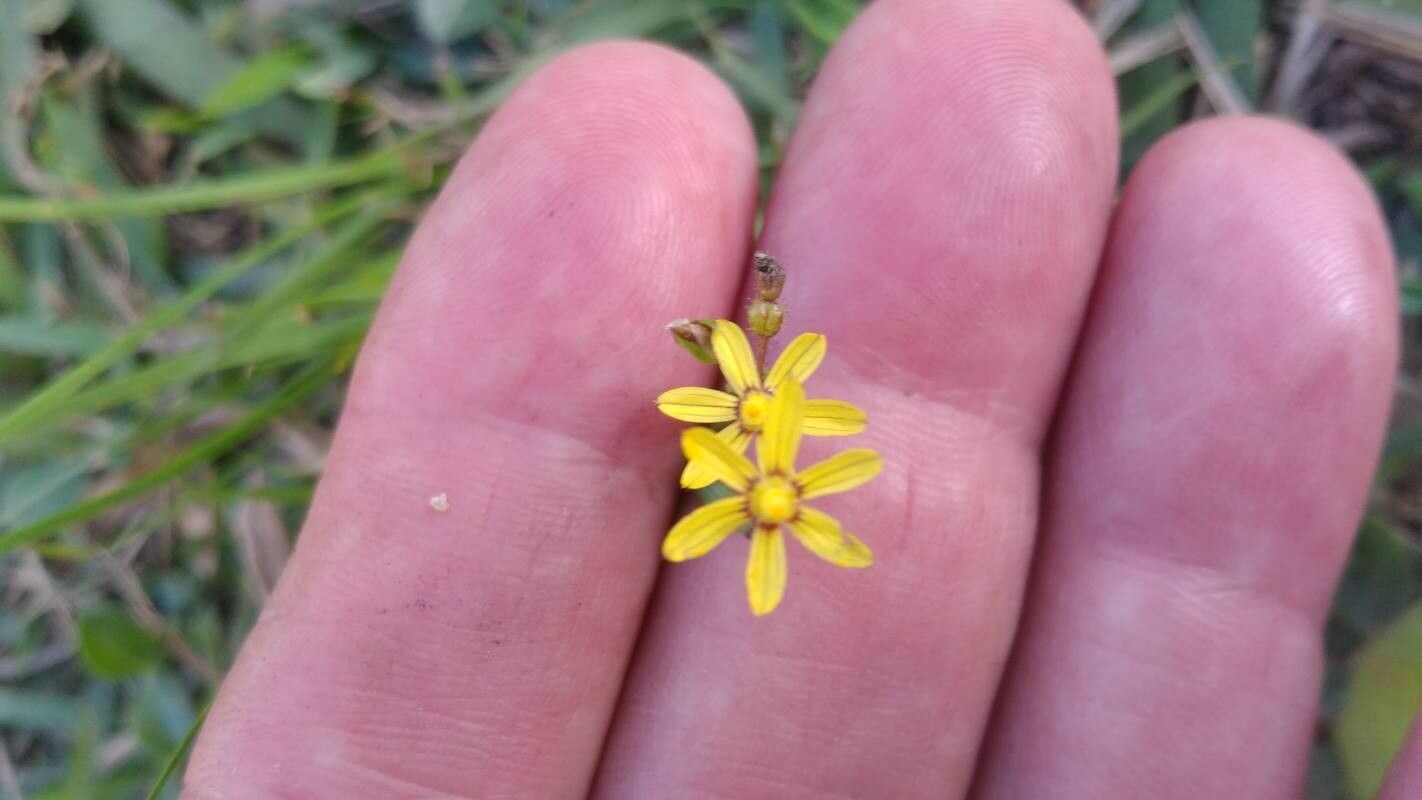
Unleashing the Blue-Eyed Grass: A Guide to Propagating Sisyrinchium commutatum
Native plant enthusiasts and garden lovers, have you met the captivating charm of Sisyrinchium commutatum, commonly known as the Blue-Eyed Grass? This delightful perennial, with its delicate star-shaped blue blooms and grass-like foliage, can bring a touch of wildflower magic to any garden. While often found gracing meadows and prairies, you can easily invite this beauty into your own outdoor space through propagation.
This guide will walk you through the two most effective methods:
1. Seed Propagation: A Dance with Patience
Propagating from seed offers the reward of witnessing the entire life cycle of your Blue-Eyed Grass. While it requires a touch more patience, the process itself is fairly straightforward:
- Timing is Key: Collect seeds from mature plants in late summer or early fall. Look for small, round capsules that turn brown and papery when the seeds are ready.
- Sowing the Magic: You can either sow seeds directly into your garden in fall or start them indoors 6-8 weeks before the last frost.
- Outdoor Sowing: Choose a sunny or partially shaded spot with well-drained soil. Scatter the seeds and lightly press them into the soil, ensuring they’re covered with about 1/4 inch of soil.
- Indoor Sowing: Use seed starting mix and sow seeds in trays or pots. Keep the soil consistently moist and place the containers in a bright, cool location.
- Germination: Be patient, germination can take anywhere from a few weeks to a few months.
- Transplanting: Once seedlings develop a few true leaves, you can transplant them outdoors after the last frost. Space them about 12 inches apart.
2. Division: Multiplying the Beauty
For a quicker and more immediate impact, division is the way to go. This method involves splitting established clumps of Blue-Eyed Grass:
- Best Time: Early spring or fall, when the plants are dormant, is the ideal time for division.
- Digging Deep: Carefully dig up the entire clump, ensuring you get as much of the root system as possible.
- Gentle Separation: Separate the clump into smaller sections, each with a healthy amount of roots and shoots. You can use a sharp knife or simply tease the sections apart with your fingers.
- Replanting: Replant the divisions at the same depth they were originally growing, spacing them about 12 inches apart. Water them well and keep the soil consistently moist until they are established.
Caring for your Blue-Eyed Beauties:
Sisyrinchium commutatum thrives in full sun to partial shade and well-drained soil. While they are relatively drought tolerant once established, they appreciate regular watering during their first growing season. To encourage bushier growth and more abundant blooms, deadhead spent flowers regularly.
A Final Note:
Propagating your own Blue-Eyed Grass is not only rewarding but also beneficial for the environment. By increasing the population of this lovely native plant, you contribute to a healthier and more biodiverse ecosystem. So, go ahead, embrace your inner gardener and let the mesmerizing blue hues of Sisyrinchium commutatum grace your garden for years to come!