
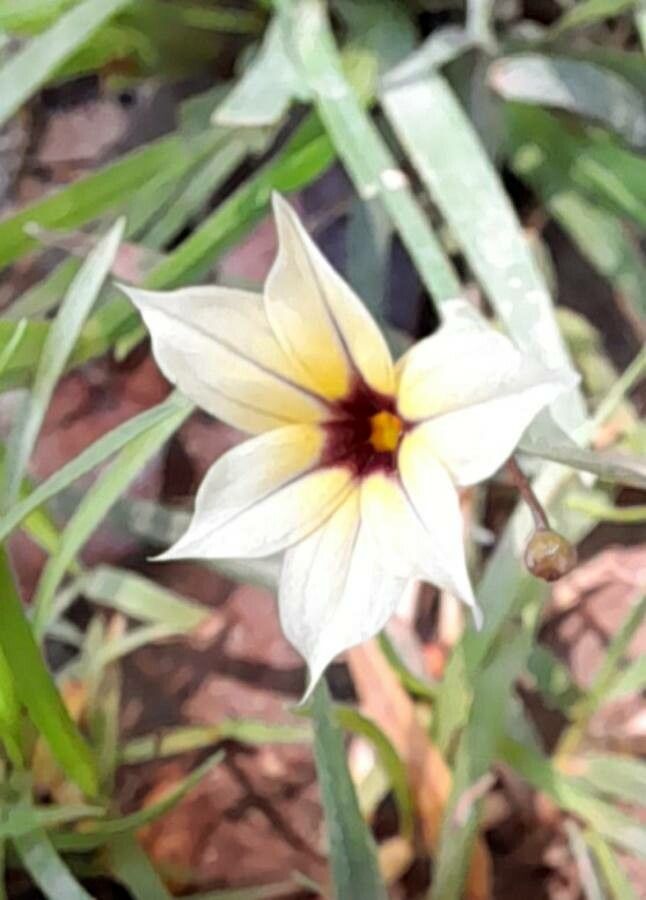
Unlocking the Secrets of Blue-Eyed Grass: A Propagation Guide for Sisyrinchium micranthum
Blue-eyed grass, with its delicate blooms and charming name, brings a touch of whimsical beauty to any garden. Despite its grass-like foliage, Sisyrinchium micranthum belongs to the Iris family and boasts exquisite, star-shaped flowers in vibrant shades of blue, purple, and occasionally white. If you’re eager to spread the cheer of this North American native, you’ll be happy to know that propagating blue-eyed grass is surprisingly easy, offering several methods tailored for both beginners and green thumbs alike.
1. Division: Sharing the Spring Bounty
Division is the most popular and efficient method for propagating blue-eyed grass. Spring, as the plants awaken from their winter slumber, is the ideal time for this process. Simply follow these steps:
- Dig Carefully: Gently lift a mature clump of blue-eyed grass from the ground, ensuring you get as much of the root system as possible.
- Separate with Care: Use your hands or a sharp, clean knife to divide the clump into smaller sections. Each section should have a healthy amount of roots and shoots attached.
- Replant and Rejoice: Replant your divisions immediately, spacing them about 6-12 inches apart in well-drained soil. Water thoroughly and watch as your new blue-eyed grass plants establish themselves.
2. Seed Starting: A Rewarding Journey From Seed to Bloom
While division provides quicker results, starting blue-eyed grass from seed allows you to witness the full cycle of growth, adding an extra layer of satisfaction to your gardening journey.
- Harvesting Seeds: In late summer, keep an eye out for the small seed capsules that form after flowering. Once they turn brown and dry, carefully collect the seeds within.
- Sowing the Seeds: You can choose to sow seeds directly outdoors in the fall or start them indoors about 6-8 weeks before the last expected frost.
- Patience is Key: Blue-eyed grass seeds have a natural dormancy period and may take several weeks or even months to germinate. Don’t lose hope if you don’t see sprouts immediately.
3. Leaving it to Nature: Self-Sowing for a Naturalized Look
One of the charming aspects of blue-eyed grass is its ability to self-sow. If you prefer a more naturalized look in your garden, allow some of the seed capsules to remain on the plants. The seeds will gently disperse and germinate in the surrounding area, creating a charming carpet of blue blooms in time.
Caring for Your Blue-Eyed Beauties
Regardless of your chosen propagation method, blue-eyed grass thrives with minimal care. These resilient plants prefer well-drained soil and full sun to partial shade. Water them regularly during their first growing season, then sit back and enjoy the show as they grace your garden with their delicate charm year after year.
Propagating blue-eyed grass is an easy and rewarding way to increase your stock of this charming native plant. Whether you choose to divide existing clumps, embark on the adventure of seed starting, or simply let nature run its course, these resilient beauties are sure to bring years of joy to your garden.