
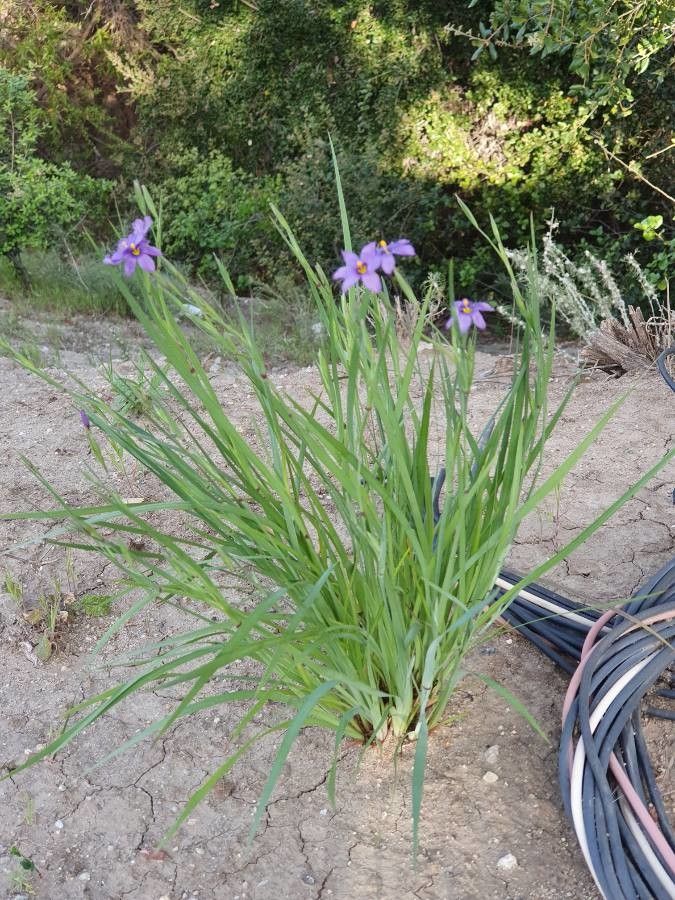
Unveiling the Secrets of Blue-Eyed Grass Propagation: Watch Your Garden Bloom!
Blue-eyed grass, scientifically known as Sisyrinchium mucronatum, enchants gardeners with its delicate, star-shaped blooms that bring a touch of whimsical charm to any landscape. If you’re smitten with this charming wildflower and dream of multiplying its presence in your garden, you’re in luck! Propagating blue-eyed grass is a surprisingly achievable feat, even for novice gardeners. Let’s dive into the fascinating world of Sisyrinchium mucronatum propagation and equip you with the knowledge to cultivate a flourishing blue-eyed haven.
Two Paths to Propagation: Seeds and Division
Blue-eyed grass offers two primary avenues for propagation: starting from seed or dividing established plants. Both methods have unique advantages and are relatively straightforward, allowing you to choose the approach that best suits your gardening style and resources.
1. The Magic of Seeds:
Collecting seeds from your existing blue-eyed grass plants is a rewarding experience that connects you to the plant’s life cycle. Look for the small, round seed capsules that appear after the flowers fade. Once the capsules turn brown and dry, carefully collect them and store them in a cool, dry place until ready to sow.
Sowing the Seeds: You can either direct sow the seeds in your garden in the fall, allowing them to experience natural stratification over the winter, or start them indoors 6-8 weeks before your last frost date. Sow the seeds thinly on the surface of a well-draining seed starting mix, and gently press them down. Keep the soil consistently moist but not soggy, and within a few weeks, you’ll be greeted by tiny seedlings.
- Transplanting Seedlings: Once your seedlings develop a few sets of true leaves, it’s time to transplant them either into individual pots or directly into your garden. Choose a location with full sun to partial shade and well-drained soil. Space the seedlings about 6-8 inches apart to allow ample room for growth.
2. The Power of Division:
Dividing established clumps of blue-eyed grass is an excellent way to ensure successful propagation and simultaneously rejuvenate your existing plants. Spring or early fall, when the plants are actively growing, is the ideal time to undertake this method.
Dividing the Clumps: Gently dig up a clump of blue-eyed grass, ensuring you lift the entire root system. Using a sharp, clean knife or garden spade, carefully divide the clump into smaller sections, ensuring each section has a healthy portion of roots and shoots.
- Replanting the Divisions: Plant the divided sections at the same depth they were initially growing. Choose a well-prepared bed with good drainage and water them thoroughly. Within a short period, these divisions will establish themselves and reward you with their charming blooms.
Essential Tips for Propagation Success:
Well-Draining Soil: Blue-eyed grass thrives in well-drained soil. Amend heavy clay soils with organic matter like compost to improve drainage.
Sunlight Requirements: While blue-eyed grass prefers full sun, it can tolerate partial shade, especially in warmer climates.
- Watering Routine: Keep the soil consistently moist but not waterlogged, especially during the initial establishment phase. Once established, blue-eyed grass is relatively drought-tolerant.
Propagating Sisyrinchium mucronatum is a gratifying endeavor that allows you to expand your garden’s beauty while deepening your connection to this enchanting wildflower. Whether you choose the path of seeds or division, following these guidelines will empower you to cultivate a tapestry of vibrant blue blooms that will captivate your senses for years to come.