
Blue-Eyed Grass: More Than Meets the Eye (and How to Easily Propagate It)
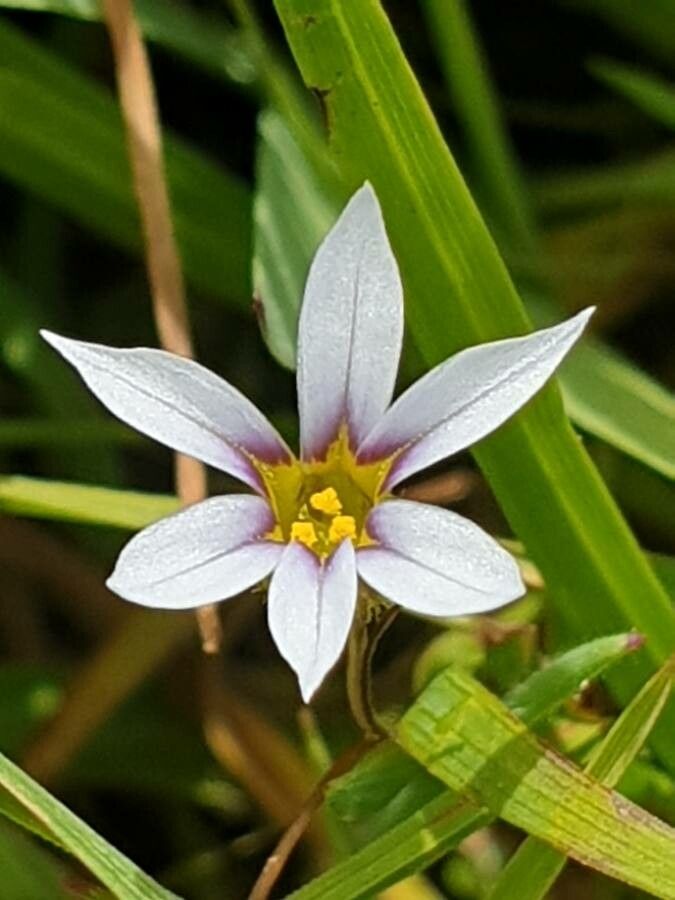
Have you ever stumbled upon a patch of delicate, blue, star-shaped flowers nestled among the grasses? That, my friend, is likely the enchanting Sisyrinchium rosulatum, also known as Blue-Eyed Grass. This unassuming wildflower, a member of the iris family, boasts a vibrant personality and is surprisingly easy to propagate.
Why Propagate Sisyrinchium rosulatum?
Beyond its captivating beauty, Sisyrinchium rosulatum offers several reasons to give it a try:
- Easy Propagation: This plant readily produces seeds, making it a breeze to spread throughout your garden.
- Adaptability: Tolerant of various soil conditions and sunlight levels, it thrives in a wide range of environments.
- Low Maintenance: Once established, Blue-Eyed Grass requires minimal care, making it an ideal choice for busy gardeners.
- Attractive to Pollinators: Its bright blue blooms entice bees and butterflies, adding a touch of vibrancy to your garden’s ecosystem.
Methods of Propagation:
There are two main ways to propagate Sisyrinchium rosulatum:
1. Seed Propagation:
- Harvesting Seeds: After the flowers fade, small, capsule-like seed pods develop. Allow them to dry fully on the plant, then gently collect the seeds by shaking the pods into a bag or container.
- Sowing Seeds: Direct sow the seeds in spring or fall. Lightly press them into the soil and keep them moist. Seed germination can take a few weeks.
2. Division:
- Time for Division: The best time for division is in early spring, when the plant is just starting to emerge.
- Preparing the Plant: Carefully dig up a mature plant and gently separate it into smaller clumps.
- Replanting: Plant the divisions at the same depth as they were originally in the ground. Water thoroughly and watch for new growth.
Tips for Success:
- Positioning: Choose a sunny or partially shaded location with well-drained soil.
- Watering: Water regularly, especially during the first few weeks after planting.
- Fertilizing: Sisyrinchium rosulatum is a low-maintenance plant and doesn’t need frequent fertilizing. A light application of balanced fertilizer in early spring is sufficient.
- Deadheading: Removing spent flowers will encourage the plant to produce new blooms and enhance its visual appeal.
Enjoy the Show!
Once established, Sisyrinchium rosulatum will provide you with a lovely display of delicate, blue flowers throughout the spring and summer. This resilient and adaptable plant is a joy to cultivate, and its easy propagation methods ensure that you can share its beauty with friends and family. So, get ready to embrace the charm of Blue-Eyed Grass and add a touch of wildflower whimsy to your garden.