
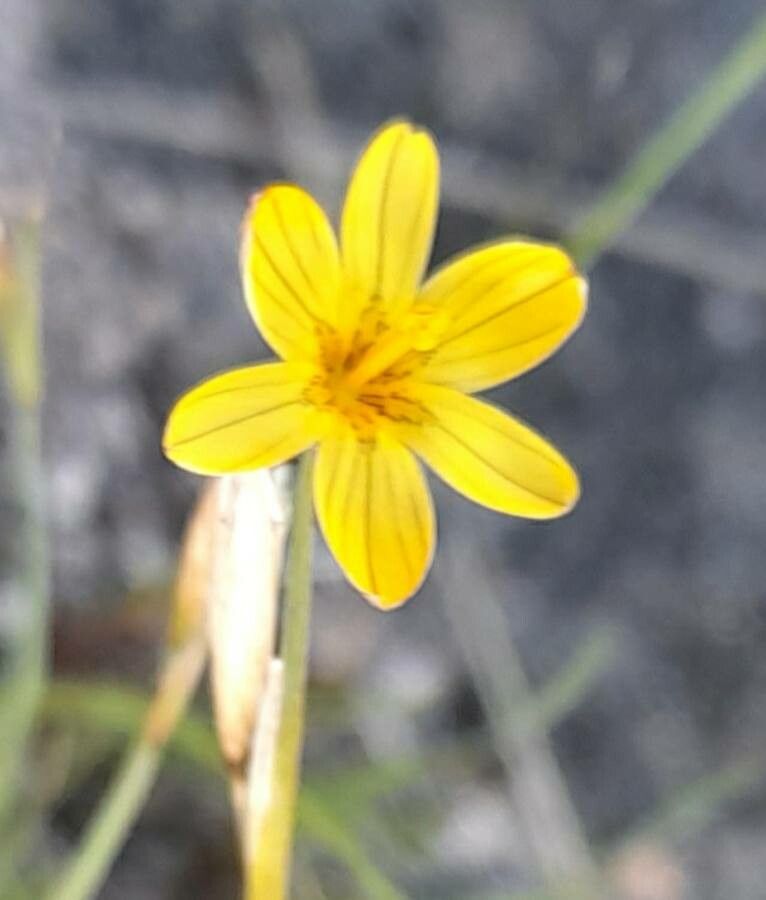
Unleashing the Blue-Eyed Grass: Propagating Sisyrinchium unguiculatum
Sisyrinchium unguiculatum, more charmingly known as Blue-Eyed Grass, is a delightful addition to any garden. Its delicate, star-shaped blue blooms bring a touch of whimsical charm to borders, rock gardens, and even wildflower meadows. While admiring these beauties is a treat, wouldn’t it be wonderful to multiply their numbers in your outdoor space? Luckily, propagating Blue-Eyed Grass is an achievable feat, even for beginners!
Two Paths to Propagation: Seed and Division
Sisyrinchium unguiculatum offers two main methods of propagation: seeds and division. Both techniques are relatively straightforward and can be accomplished with a little patience and the right knowledge.
1. Starting from Seed: A Rewarding Journey
If you enjoy the process of nurturing a plant from its earliest stages, then starting Blue-Eyed Grass from seed is a gratifying experience.
- Collecting Seeds: As the vibrant blue flowers fade, they give way to small seed capsules. Allow these capsules to dry on the plant, turning brown and papery. Gently break them open to reveal tiny black seeds.
- Sowing Time: Sisyrinchium unguiculatum seeds can be sown directly outdoors in the fall or started indoors approximately 6-8 weeks before the last expected frost.
- Sowing Technique: Whether sowing indoors or directly into the ground, use a well-draining seed starting mix. Scatter the seeds thinly and cover them lightly with soil.
- Germination: Keep the soil moist but not waterlogged. Germination typically takes 2-4 weeks.
- Transplanting: When seedlings are large enough to handle, thin them out or transplant them to individual pots or their permanent outdoor location.
2. Division: Multiplying your Bloom Power
Once your Blue-Eyed Grass clump has matured for a couple of years, division becomes a viable and efficient propagation method.
- Timing is Key: Early spring or fall, when the plants are not actively flowering, is the ideal time for division.
- Digging In: Gently lift the entire clump from the ground using a garden fork.
- Separating the Clumps: Carefully tease apart the clump into smaller sections, ensuring each division has a good amount of roots attached.
- Replanting: Replant the divisions at the same depth they were originally growing, spacing them about 12 inches apart. Water thoroughly.
Essential Care for Thriving Blue-Eyed Grass
No matter your chosen propagation method, providing the right conditions will lead to healthy, thriving plants:
- Sunlight: Sisyrinchium unguiculatum flourishes in full sun to partial shade.
- Soil: Well-drained soil is crucial to prevent root rot. Amend clay soils with compost or sand to improve drainage.
- Water: While tolerant of some drought once established, regular watering, especially during dry spells, is beneficial.
- Fertilizer: Blue-Eyed Grass is not a heavy feeder. A light application of balanced fertilizer in spring is usually sufficient.
With a bit of care and effort, you can successfully propagate Sisyrinchium unguiculatum and enjoy a vibrant carpet of blue blooms. This low-maintenance charmer, once established, will reward your efforts for years to come, bringing a touch of wildflower magic to your garden.