
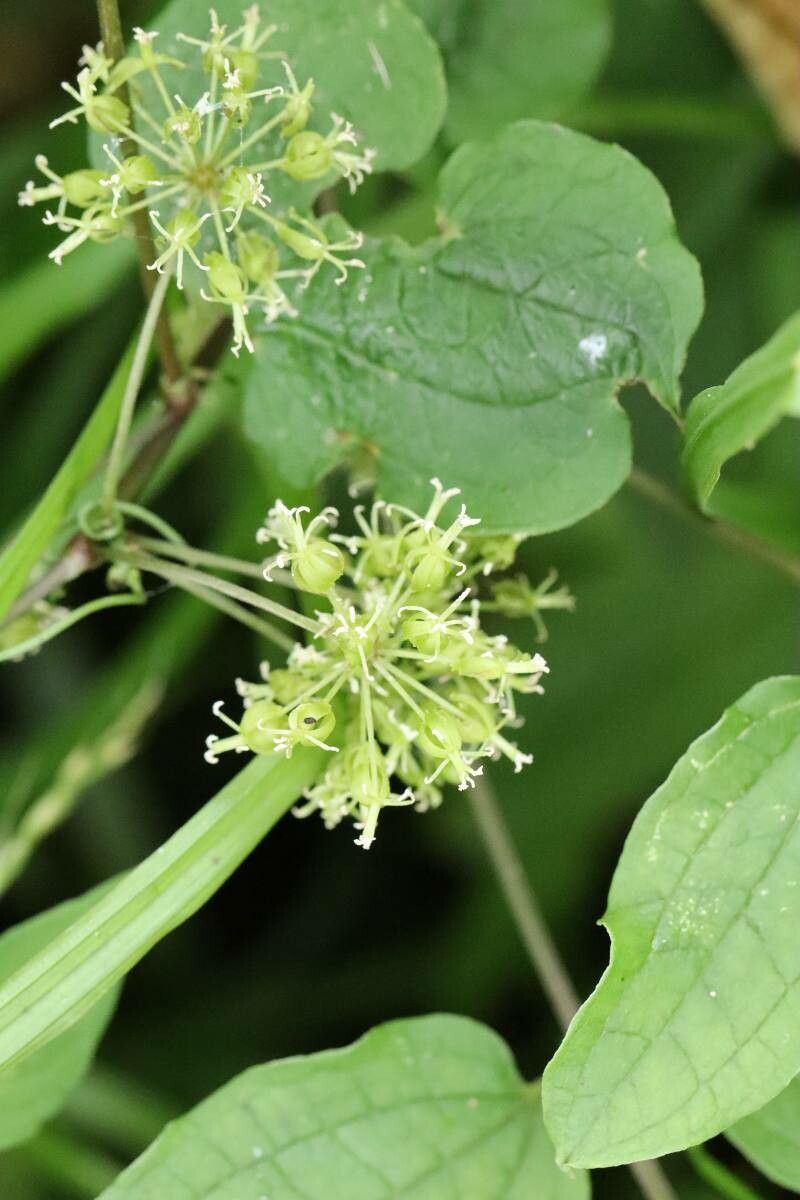
Taming the Wild: Propagating Smilax Riparia for Your Backyard Haven
Smilax riparia, commonly known as the riverbank greenbrier, is a fascinating native vine that can add a touch of wild beauty to your landscape. While often admired for its tenacity in the wild, you might be surprised to learn that cultivating this intriguing plant is achievable even for the average gardener. Let’s dive into the world of Smilax riparia propagation and explore the techniques to welcome this native vine into your backyard.
Understanding the Plant:
Before embarking on the propagation journey, understanding the plant’s natural tendencies is crucial. Smilax riparia is a deciduous, woody vine that thrives in moist soils bordering woodlands, thickets, and, as its name suggests, riverbanks. It boasts delicate tendrils that allow it to climb and sprawl, showcasing glossy green leaves that turn a vibrant yellow in the fall.
Propagation Methods:
While primarily found thriving in the wild, Smilax riparia can be propagated through two primary methods:
1. Seed Propagation:
- Collecting Seeds: Wait until late summer or early fall when the female plants bear small, bluish-black berries. Collect mature berries and extract the seeds by crushing the fleshy fruit.
- Seed Stratification: Smilax riparia seeds require a period of cold stratification to break dormancy. This mimics the natural winter conditions they experience in the wild. Place the seeds in a moist medium like a mix of sand and peat moss, seal them in a plastic bag, and store them in your refrigerator for 60-90 days.
- Sowing: In the spring, after the last frost, sow the stratified seeds in pots filled with well-draining soil. Cover them lightly with soil and keep them consistently moist.
- Patience is Key: Germination can be slow and erratic with Smilax riparia, taking anywhere from a few weeks to several months.
2. Root Cuttings:
- Timing is Everything: This method is best done during the dormant season when the plant’s energy is concentrated in its roots. Late fall or early spring is ideal.
- Taking the Cuttings: Carefully dig around the base of an established Smilax riparia plant and locate healthy roots. Use a sharp, sterilized knife to take 4-6 inch long cuttings.
- Potting and Care: Plant the root cuttings horizontally in pots filled with a well-draining potting mix, ensuring the cutting is buried about an inch below the surface. Keep the soil consistently moist and place the pots in a bright location, but out of direct sunlight.
- Signs of Success: New growth from the root cuttings should emerge within a few weeks, signaling successful propagation.
Transplanting and Care:
Once your Smilax riparia seedlings or cuttings are established and have developed a robust root system, you can choose to transplant them outdoors.
- Ideal Location: Select a location with moist, well-drained soil that receives partial to full sun. Consider providing a trellis or other support structure for the vine to climb.
- Ongoing Care: Water regularly, especially during periods of drought. Fertilize in the spring with a balanced, slow-release fertilizer to promote healthy growth.
A Rewarding Challenge:
Propagating Smilax riparia might require a bit more patience and care than some common garden plants, but the reward of successfully nurturing this resilient vine is well worth the effort. By embracing the techniques outlined above, you can introduce this charming native plant to your landscape and enjoy its unique beauty for years to come.