
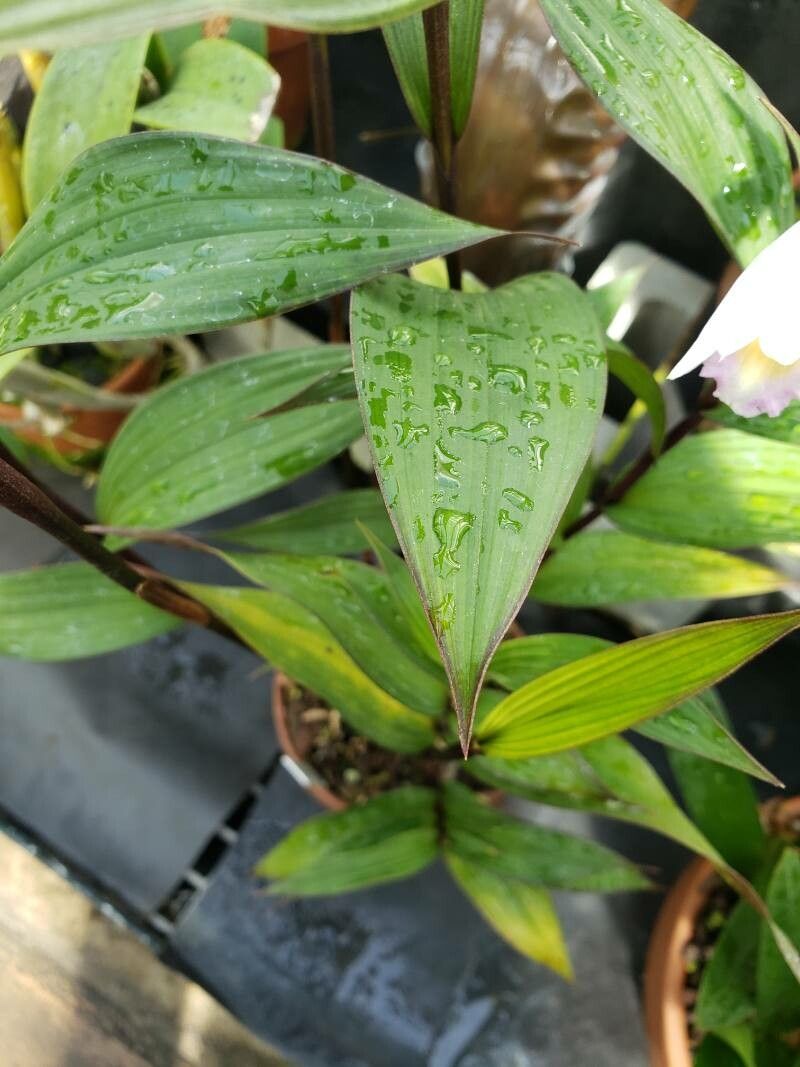
Propagating Sobralia margaritae: A Gardener’s Guide to the Jewel Orchid
Sobralia margaritae, often called the "Margarita Sobralia," is a captivating orchid species prized for its large, vibrant flowers, typically ranging from light pink to deep rose, and its graceful, reed-like stems. Its beauty and relative ease of flowering (compared to some other Sobralias) have contributed to its growing popularity among orchid enthusiasts. However, propagating this elegant plant presents unique challenges, making successful cultivation a rewarding experience for the dedicated gardener.
Seed Germination:
Currently, there are no known reliable methods for seed germination propagation of Sobralia margaritae. The seeds of many Sobralia species, including S. margaritae, are extremely fine and lack endosperm (the nutrient-rich tissue that supports seedling development). This makes them highly susceptible to fungal infection and necessitates highly specialized, sterile laboratory conditions – effectively ruling out seed germination for home propagators.
Cuttings:
Propagating Sobralia margaritae from cuttings is also generally considered unreliable. While some Sobralia species might occasionally root from stem cuttings treated with rooting hormone under high humidity conditions, the success rate is low and inconsistent. The challenge lies in the orchid’s susceptibility to rot and the difficulty in inducing root formation without the ideal sterile environment and specific growth regulators often utilized in professional nurseries.
Division:
Division is the most practical and successful method for propagating Sobralia margaritae. This involves carefully separating the mature plant into multiple sections, each containing healthy roots and several pseudobulbs. The best time to perform division is during the plant’s active growing phase (spring or early summer).
Challenges: Division requires a delicate touch to avoid damaging the roots and pseudobulbs, which can lead to rot and plant failure. The plant must also be sufficiently mature to support division without compromising its health.
Practical Tips: Use a sharp, sterile knife or shears to divide the rhizome. Ensure each division has several healthy pseudobulbs and a robust root system. Plant the divisions in a well-draining, slightly acidic potting mix, keeping them in a humid environment until new growth emerges.
Rewards: This method offers a relatively high success rate and allows for quick increase in the number of plants.
Tissue Culture:
Tissue culture is the most effective, albeit technically demanding, method for large-scale propagation of Sobralia margaritae. This sterile laboratory technique allows for the multiplication of plantlets from small tissue samples, offering high success rates and the ability to produce numerous genetically identical plants.
Challenges: Tissue culture requires specialized equipment, a sterile environment, and specific knowledge of plant tissue culture techniques. It’s generally not a feasible option for home propagators.
Practical Tips: This is best left to professional labs specializing in orchid propagation.
Rewards: Tissue culture enables mass production and allows for the preservation of superior genetic lines.
Conclusion:
Propagating Sobralia margaritae presents various challenges, with division emerging as the most accessible method for home cultivation. While seed germination and cuttings prove unreliable, tissue culture remains the gold standard for large-scale propagation, though beyond the reach of most hobbyists. The rewards, however, are well worth the effort. Seeing these magnificent orchids bloom, resulting from your efforts at propagating them, offers a profound sense of satisfaction, a testament to your patience and horticultural skills. Don’t be discouraged by initial setbacks; remember that even seasoned growers face challenges. Keep learning, experimenting, and you’ll eventually enjoy the flourishing beauty of your Sobralia margaritae.