
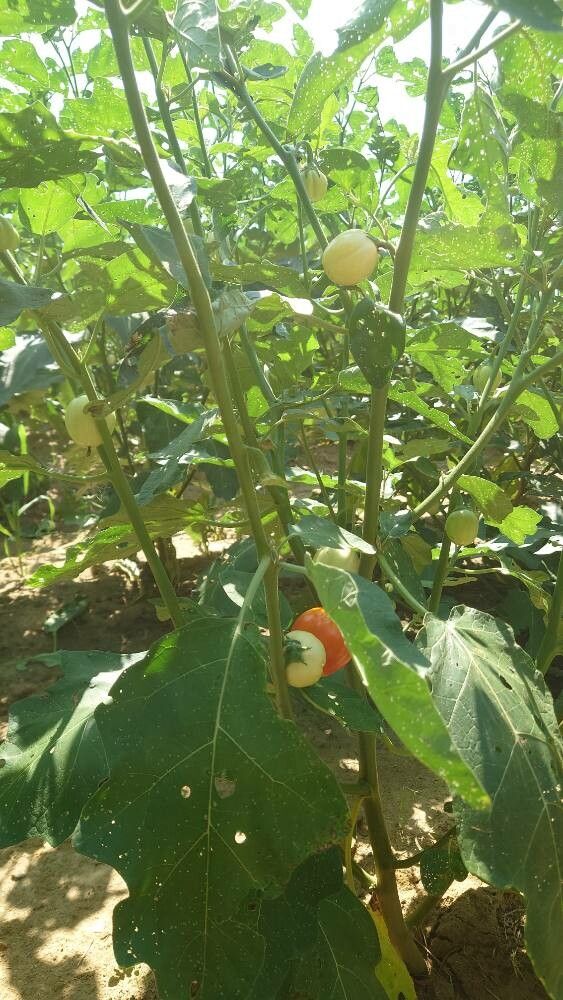
From Garden Variety to Culinary Delight: Propagating Your Own Solanum aethiopicum
The world of gardening holds endless possibilities, and among the most rewarding adventures is growing unique and flavorful edibles. Enter Solanum aethiopicum, a fascinating plant known by many names – Ethiopian eggplant, scarlet eggplant, or even garden eggs. Don’t be fooled by the “eggplant” moniker; this plant boasts a diversity of shapes, sizes, and colors, adding a splash of vibrant beauty and unique flavors to your culinary creations.
Ready to embark on your own Solanum aethiopicum journey? Let’s delve into the world of propagating this intriguing plant!
Seed Starting: Your Ticket to a Bountiful Crop
Propagating Solanum aethiopicum from seed is the most common and generally the easiest method. Here’s a step-by-step guide to get you started:
Timing is Key: Aim to sow your seeds indoors approximately 6-8 weeks before the last expected frost in your region. This gives the seedlings ample time to develop before being transplanted outdoors.
Prepare Your Seed Starting Mix: Choose a well-draining seed starting mix that’s light and airy. You can even create your own by combining peat moss, perlite, and vermicast in equal parts.
Sow Your Seeds: Plant the Solanum aethiopicum seeds about ¼ inch deep in your chosen seed starting mix. Water gently and ensure the soil remains consistently moist but not waterlogged.
Provide Warmth and Light: Place your seed trays in a warm location with temperatures around 70-75°F (21-24°C). Adequate light is crucial, so supplement natural sunlight with grow lights if needed, ensuring the seedlings receive around 12-16 hours of light per day.
- Transplanting Time: Once your seedlings develop a couple of sets of true leaves and the danger of frost has passed, it’s time to transplant them into larger containers or directly into your garden bed.
Beyond Seeds: Exploring Cutting Propagation
While seed starting reigns supreme for Solanum aethiopicum propagation, did you know you can also propagate them from cuttings? This method is particularly useful if you have an existing healthy plant:
Select Your Cutting: Identify a healthy, non-flowering stem and make a clean cut just below a leaf node using sterilized pruning shears.
Prepare the Cutting: Remove the lower leaves from the cutting, leaving only a few leaves at the top. Dip the cut end into rooting hormone (optional but beneficial) to encourage faster root development.
Plant Your Cutting: Insert the prepared cutting into a pot filled with a well-draining potting mix. Keep the soil consistently moist.
Create a Humid Environment: Cover the pot with a plastic bag or humidity dome to trap moisture and encourage faster rooting. This step is crucial for successful propagation from cuttings.
- Monitor and Transplant: After a few weeks, gently tug on the cutting to check for resistance, which indicates root development. Once the roots are established, you can transplant the cutting into a larger pot or your garden.
Reaping the Rewards: A Garden Full of Flavor
Regardless of your chosen propagation method, the rewards of growing your own Solanum aethiopicum are truly fulfilling. Imagine harvesting your own unique eggplants, their vibrant hues a testament to your gardening prowess. Whether you incorporate them into stews, curries, or savor their unique flavor profiles in stir-fries, you’ll relish the fruits (or rather, eggplants) of your labor!