
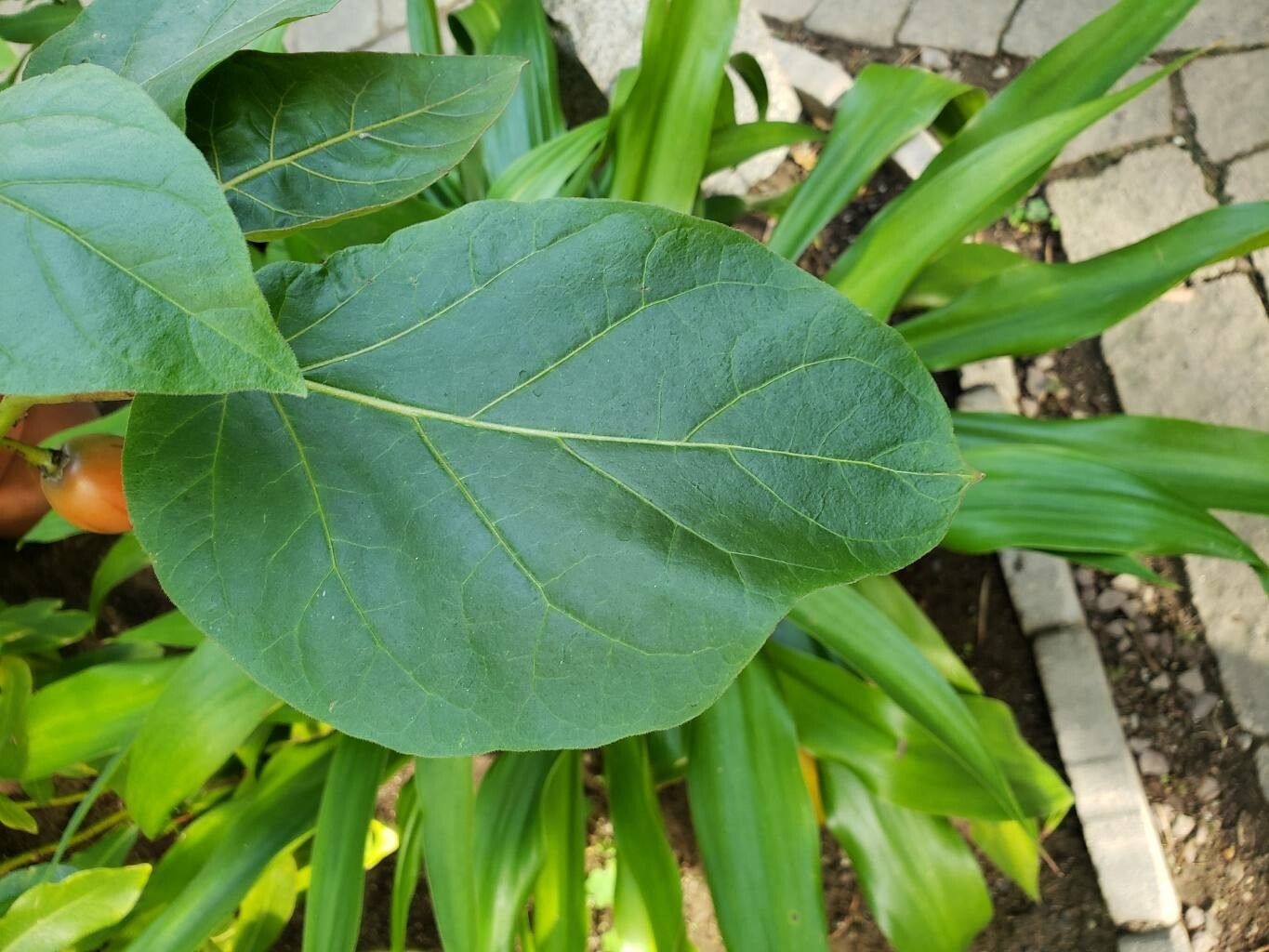
Unlocking the Secrets of Tamarillo Propagation: From Seed to Sweet Success
The tamarillo, also known by its scientific name Solanum betaceum, is a fascinating and delicious fruit native to South America. With its vibrant colors, tangy flavor, and impressive nutritional profile, it’s no wonder that more and more gardeners are eager to invite this exotic plant into their homes and gardens.
If you’re among those tempted by the allure of homegrown tamarillos, you’re in the right place! This article will guide you through the exciting world of tamarillo propagation, empowering you to grow these tropical treasures from scratch.
Two Roads to Tamarillo Triumph: Seeds vs. Cuttings
Tamarillo propagation can be achieved through two primary methods: seeds and cuttings. Each technique has its own set of advantages and considerations:
1. Seed Starting: Sowing the Seeds of Sweet Success
- Advantages: Readily available, cost-effective, and offers the potential for a large number of plants.
Process:
- Extract seeds: Scoop out the pulp from ripe tamarillos and rinse the seeds thoroughly.
- Dry and store (optional): While fresh seeds germinate readily, you can store them in a cool, dry place for later use.
- Sowing: Plant seeds ¼ inch deep in a seed-starting mix.
- Warmth and moisture: Provide bottom heat and consistent moisture to encourage germination, which typically takes 2-4 weeks.
- Transplanting: Once seedlings develop a few sets of true leaves, transfer them to individual pots.
- Considerations: Seed-grown tamarillos may exhibit slight variations in fruit characteristics compared to the parent plant. Also, they may take longer to bear fruit (around 2-3 years).
2. Cuttings: Cloning for Consistent Quality
- Advantages: Preserves the exact genetic makeup of the parent plant, ensuring consistent fruit quality and potentially faster fruiting (1-2 years).
Process:
- Select healthy wood: Take cuttings from healthy, mature branches in late spring or early summer. Aim for cuttings that are 6-8 inches long with at least 2-3 nodes.
- Prepare the cuttings: Remove leaves from the lower third of the cutting and wound the base slightly to expose the cambium layer.
- Rooting hormone (optional): Dipping the base in rooting hormone can enhance success rates.
- Planting: Plant cuttings in a well-draining potting mix, burying at least one node below the surface.
- Humidity and warmth: Maintain a warm, humid environment to encourage root development. A cloche or plastic bag placed over the cutting can help.
- Considerations: Requires access to a healthy parent plant.
Nurturing Your Tamarillo Newcomers
Regardless of the propagation method you choose, young tamarillo plants require consistent care to thrive:
- Sunlight: Provide at least 6 hours of sunlight daily for optimal growth and fruit production.
- Watering: Water regularly, keeping the soil moist but not soggy.
- Fertilization: Feed every 4-6 weeks during the growing season with a balanced fertilizer.
- Support: Tamarillos can grow quite tall, so provide staking or trellising for support.
- Pest and disease control: Be vigilant about common pests and diseases, and address issues promptly.
Reaping the Rewards of Your Tamarillo Journey
With patience and care, you can enjoy the satisfaction of cultivating your own tamarillo bounty. Imagine the joy of biting into a sweet-tart, homegrown tamarillo, its unique flavor a testament to your successful propagation journey! So why wait? Embark on your tamarillo-growing adventure today and experience the magic of nurturing these exotic wonders from seed to sweet success.