
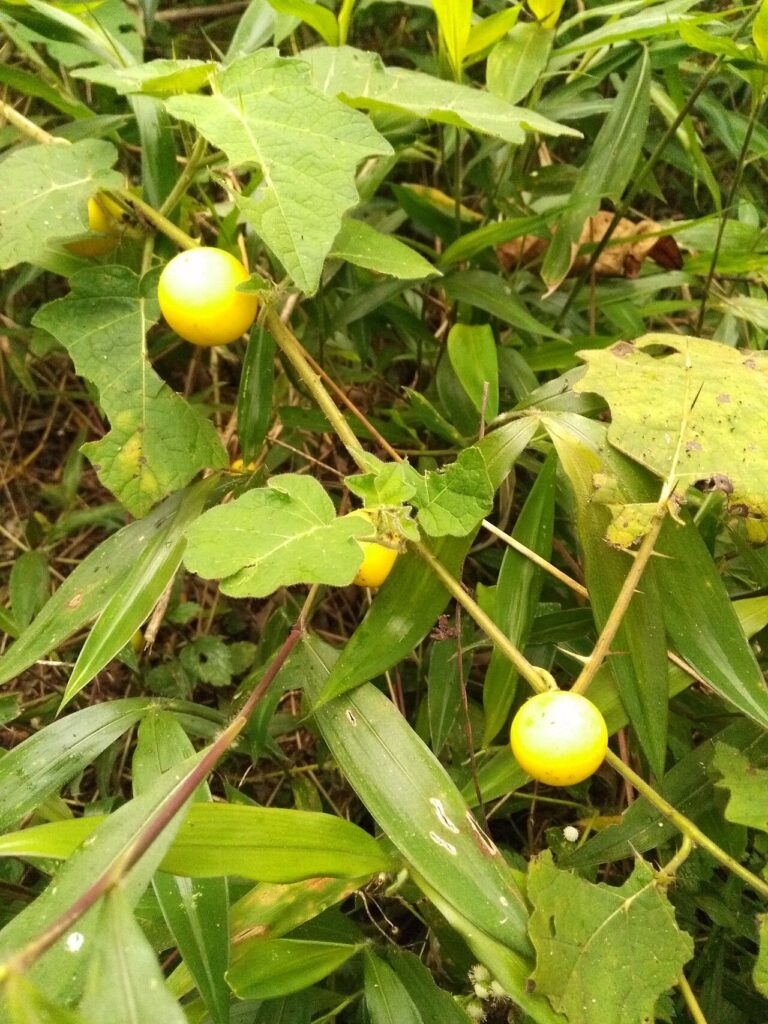
From Snipping to Sprouting: The Easy Way to Grow More Pepper Plants (Solanum capsicoides)
The aptly nicknamed “Pepper Plant” (Solanum capsicoides) is a delightful shrub known for its cheerful, bright orange berries that resemble miniature peppers. These plants are not only visually appealing but also relatively easy to propagate, making them a wonderful project for beginner gardeners.
In this post, we’ll explore two popular methods for expanding your Pepper Plant collection: seed propagation and stem cuttings.
Starting from Seed:
- Harvesting Seeds: While you can purchase seeds, experiencing the joy of harvesting your own is rewarding! Once the small orange berries turn a deep red, they’re ready to be collected. Gently squeeze the berries and remove the tiny, black seeds. Rinse them in water to remove any remaining pulp.
- Preparation: Sow the seeds in seed trays or pots filled with a well-draining seed-starting mix. Lightly press the seeds into the soil and water gently.
- Environment: Cover the seed trays with plastic wrap or a humidity dome to create a warm, humid environment. Place them in a sunny location, ideally with temperatures around 70-75 degrees Fahrenheit.
- Germination: Expect germination in 10-14 days. Once the seedlings have developed a few true leaves, they can be transplanted into individual pots.
Propagating from Stem Cuttings:
- Preparing the Cuttings: The best time to take cuttings is during the spring or summer when the plant is actively growing. Choose healthy, non-flowering stems with at least two nodes (the areas where leaves grow).
- Cutting Technique: Use a sharp knife or pruning shears and make clean cuts just below a node. Strip off the leaves from the bottom inch or two of the stem.
- Rooting Medium: Fill a small pot with a rooting mix like vermiculite, perlite, or a mixture of peat moss and perlite. Dip the cut end of the stem into rooting hormone powder (optional) and insert it into the rooting medium.
- Environment: Water the rooting medium well and cover the pot with a plastic bag or humidity dome. Place it in a bright location but out of direct sunlight.
- Success: Check the moisture regularly and keep the environment consistently warm (around 70-75 degrees Fahrenheit). Roots should begin to develop in a few weeks. Once you see new growth on the cuttings, you can remove the bag or dome and gradually acclimate them to open air.
Tips for Success:
- Patience: Propagation takes time. Don’t worry if you don’t see immediate results. Be patient and consistent with your care.
- Water Wisely: Always water your cuttings and seedlings thoroughly but avoid overwatering. The soil should be moist but not soggy.
- Good Lighting: Pepper plants thrive in bright, indirect light. Avoid placing them in direct sunlight, especially during the hottest parts of the day.
- Fertilizer: Once your plants are well-established, you can lightly fertilize them with a balanced liquid fertilizer every few weeks.
Enjoy Your Pepper Plant Expansion:
Propagating your own Pepper Plant is a fun and rewarding experience! With careful attention and a little patience, you can easily expand your collection and enjoy the beauty of these cheerful shrubs for many years to come.