
Propagating Soldanella montana: A Mountain of Challenges, a Mountain of Rewards
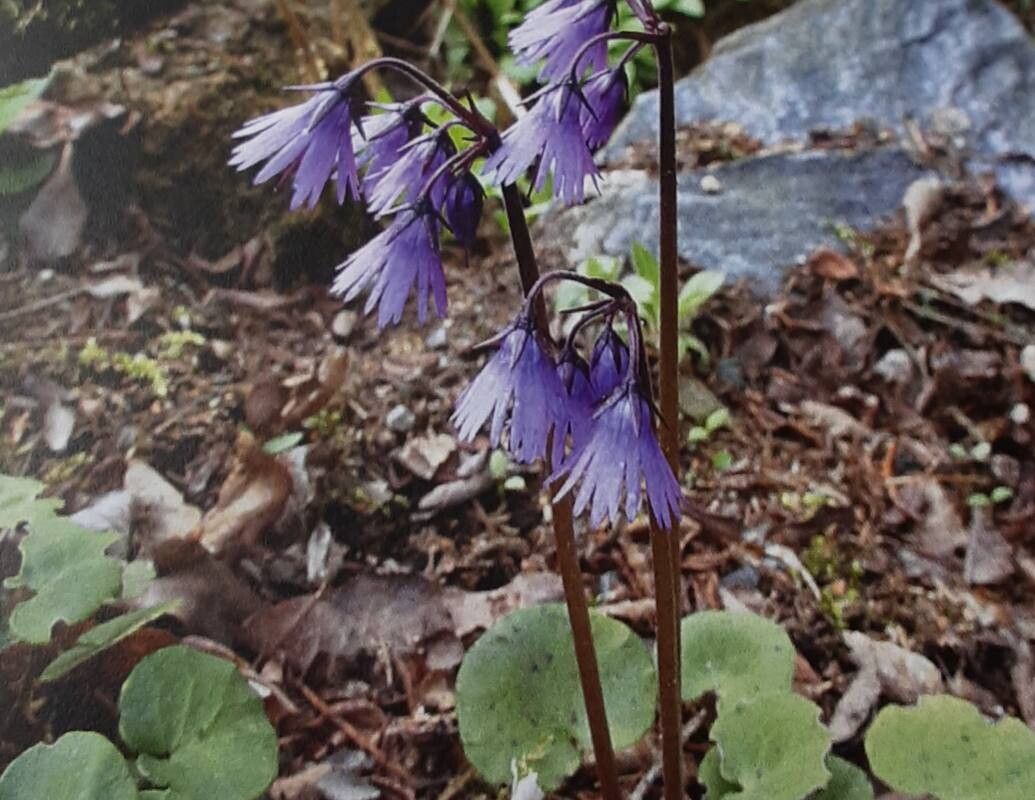
Soldanella montana, commonly known as the mountain soldanella, is a captivating alpine plant prized for its delicate, bell-shaped flowers that emerge in early spring. These charming blooms, ranging from pale lilac to deep violet, unfurl amongst kidney-shaped leaves, creating a breathtaking display in rock gardens and alpine troughs. Its relative rarity and unique beauty make it a highly sought-after addition to many a gardener’s collection, but propagating this delightful species presents unique challenges.
Seed Germination:
Currently, there are no known reliable methods for seed germination propagation of Soldanella montana. While seeds may be produced, their germination rate is exceptionally low and unpredictable, making this method impractical for most gardeners. Research into specific germination requirements remains limited.
Cuttings:
Propagating Soldanella montana from cuttings is also generally considered unreliable. While some limited success might be achieved with softwood cuttings taken in spring, the success rate is low and requires meticulous attention to sterile conditions and high humidity. The challenges include the high risk of rot due to the plant’s sensitivity to fungal diseases, and the slow root development. Even with the best techniques, this method is not readily recommended for widespread propagation.
Division:
Division is the most successful and practical method for propagating Soldanella montana. This involves carefully separating established clumps of the plant during the dormant season (late autumn or early spring).
Challenges: The delicate root system can be easily damaged, leading to plant failure. The plant needs to be sufficiently mature to have multiple sizable growing points before division is attempted.
Practical Tips: Use sharp, sterile tools to minimize damage. Ensure each division has ample roots and several growing points. Plant immediately into well-drained, moist, slightly acidic soil in a shaded or partially shaded location mimicking its natural alpine habitat.
Rewards: Division offers the highest success rate, allowing for the relatively quick increase of the already-established plant. Genetic uniformity is maintained, ensuring the characteristics of the parent plant are replicated.
Tissue Culture:
Tissue culture offers a potential, albeit technically demanding, route for propagating Soldanella montana. This method would involve sterile cultivation of plant tissues in a laboratory setting.
Challenges: This technique requires specialized equipment, a clean lab environment, and a high level of horticultural expertise. Developing the optimal culture medium and protocols specifically for Soldanella montana would also require considerable research and experimentation. The initial investment costs could be significant.
Practical Tips: This method is beyond the scope of the average home gardener and is best left to specialized nurseries or research institutions.
Rewards: Large-scale propagation becomes possible, ensuring the availability of this highly sought-after plant. Disease-free stock can be produced, increasing the overall plant health and longevity.
Conclusion:
Propagating Soldanella montana presents significant challenges across all methods. While division offers the most reliable approach for the average gardener, even this method demands care and skill. Seed germination and cuttings are largely unreliable. Tissue culture, while potentially highly effective, demands specialized knowledge and resources. The rewards, however, are significant. To successfully cultivate this beautiful alpine plant, especially through division, is a testament to patience, skill, and a deep appreciation for its delicate nature. Don’t be discouraged by the challenges; the unique satisfaction derived from nurturing and propagating Soldanella montana is an experience more rewarding for the hurdles overcome. Remember to prioritize providing well-drained, organically rich soil and a cool, shaded environment – carefully mimicking the plant’s natural home. Your perseverance will be handsomely repaid with a stunning display of these exquisite mountain jewels.