
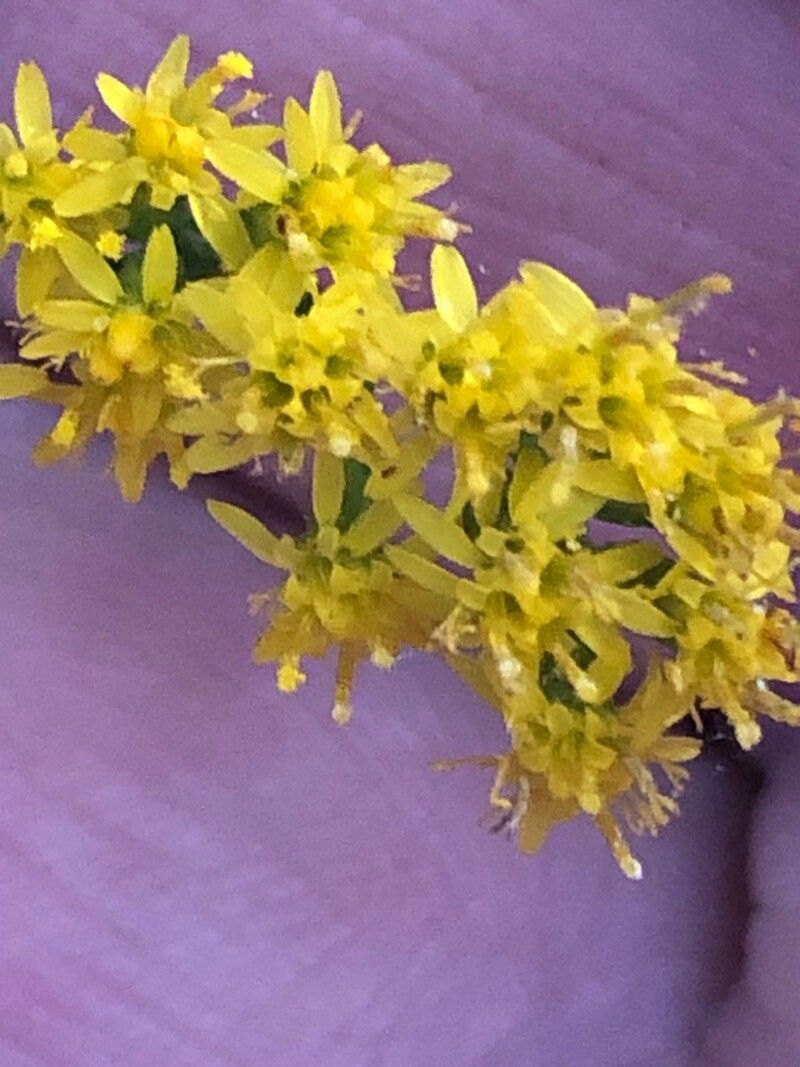
Propagating Solidago arguta: A Gardener’s Guide to the Sharp-Toothed Goldenrod
Solidago arguta, commonly known as sharp-toothed goldenrod, is a graceful native North American perennial boasting upright stems adorned with lance-shaped leaves exhibiting sharply serrated edges. Its late-summer display of abundant, delicate yellow flowers makes it a popular choice among gardeners seeking late-season color and pollinator-friendly additions to their landscapes. Its relatively controlled growth habit, compared to some of its more aggressive goldenrod cousins, also contributes to its appeal. However, propagation can present some unique challenges.
Seed Germination:
Currently, there are no known reliable methods for seed germination propagation of Solidago arguta. While the plant does produce seeds, their germination rate is notoriously low, and success has not been consistently documented. This is likely due to a combination of factors, including the need for specific environmental conditions and perhaps dormancy mechanisms that haven’t been fully understood or overcome.
Cuttings:
Cuttings offer a much more reliable method for propagating Solidago arguta.
Challenges: Softwood cuttings taken in early summer, during active growth, are generally preferred. However, even with optimal conditions, rooting can be slow and require patience. Successful rooting relies heavily on maintaining high humidity and preventing fungal diseases.
Practical Tips: Take 4-6 inch cuttings from non-flowering stems, removing lower leaves to prevent rotting. Dip the cut end in rooting hormone powder before planting in a well-draining propagation mix (e.g., perlite and peat moss). Cover with a humidity dome or plastic bag to maintain moisture. Bottom heat can improve rooting success. Mist regularly to keep the cuttings hydrated.
- Rewards: Cuttings provide a quick and efficient method to multiply existing plants, preserving the genetic characteristics of the mother plant. This means you can easily propagate your favourite, particularly robust specimen.
Division:
Division is another effective propagation method for Solidago arguta.
Challenges: Successful division requires careful handling to avoid damaging the roots. This method is best undertaken in early spring or autumn when the plant is actively growing or entering dormancy, respectively.
Practical Tips: Gently dig up the established clump. Using a sharp, clean shovel or knife, divide the clump into sections ensuring each section has healthy roots and several shoots. Replant the divisions immediately, spacing them appropriately. Water thoroughly.
- Rewards: Division offers a quick way to increase the number of plants while also rejuvenating the mother plant. This is good for larger, mature plants that are becoming overcrowded.
Tissue Culture:
Tissue culture propagation of Solidago arguta is possible but is generally reserved for large-scale commercial propagation or research purposes due to the specialized equipment and expertise required.
Challenges: Establishing sterile conditions and maintaining aseptic techniques are crucial. The process requires a controlled environment and specialized media. Finding the optimal hormonal balance for shoot multiplication and rooting can be challenging and requires extensive experimentation.
Practical Tips: This method is beyond the scope of the average home gardener and requires specialized training and equipment.
- Rewards: Tissue culture allows for rapid multiplication of plants and the potential for disease-free stock. This is the most efficient method for producing large quantities of uniform plants.
Conclusion:
Propagating Solidago arguta can present varying degrees of challenge depending on the method employed. While seed germination is unreliable for this species, cuttings and division offer viable and accessible options for home gardeners. Tissue culture provides a path for large-scale propagation but demands specialized knowledge and equipment. The satisfaction derived from successfully propagating this beautiful plant, especially considering the potential setbacks, is a testament to the gardener’s dedication and patience. Remember that success often comes with experimentation and careful observation. Don’t be discouraged by initial setbacks – the beauty of a thriving Solidago arguta, propagated by your own hand, is a rewarding experience.