
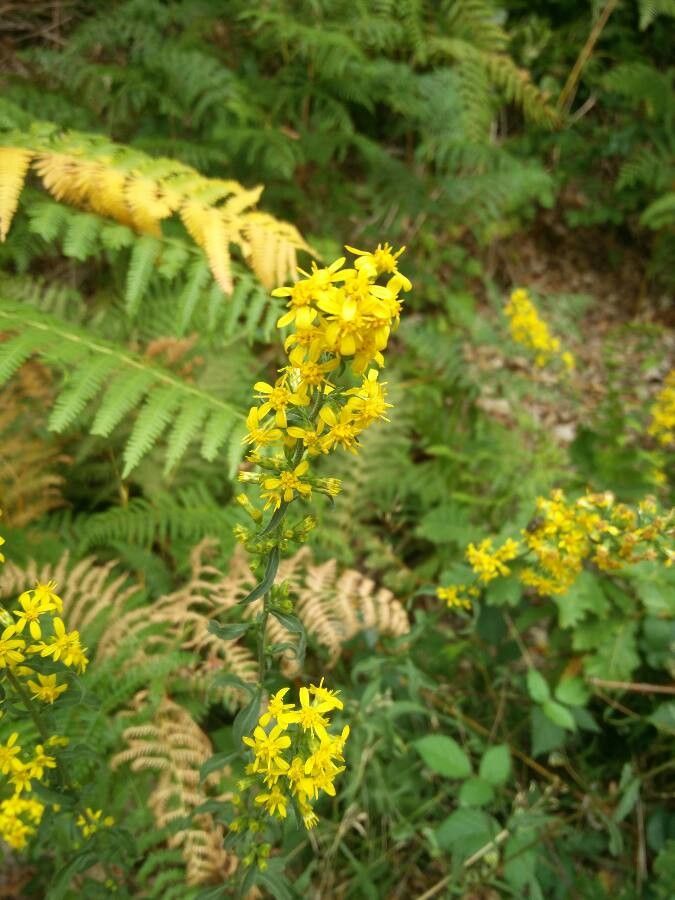
Golden Multiplied: Unlocking the Secrets of Propagating Goldenrod
Goldenrod, with its sunny disposition and vibrant blooms, is a welcome sight in any garden. This hardy perennial (specifically Solidago virgaurea, also known as European goldenrod) attracts pollinators and adds a splash of late-summer sunshine to the landscape. But did you know that multiplying your goldenrod joy is easier than you think? Let’s delve into the world of propagation and discover the methods to turn one golden beauty into many.
Division: Sharing the Golden Bounty
Dividing established goldenrod clumps is the most common and arguably the easiest method of propagation. Here’s how:
- Timing is Key: Early spring or fall, when the weather is cool and the ground moist, are ideal times for division.
- Digging Deep: Carefully dig around the goldenrod clump, ensuring you’ve unearthed a good root system.
- Dividing the Spoils: Gently pull apart the clump into smaller sections, each with healthy roots and shoots.
- Replanting for Success: Replant the divisions in well-drained soil, spacing them according to the variety’s mature size. Water them well and enjoy the anticipation of new growth!
Seed Starting: A Journey of Patience and Reward
While slightly more time-consuming, starting goldenrod from seed offers a rewarding experience and the potential for a larger number of plants. Follow these steps:
- Seed Collection: Collect ripe seed heads in late summer or fall. Look for dry, brown seed heads and gently shake them over a container to collect the seeds.
- Sowing the Seeds: You can sow the seeds directly outdoors in fall or start them indoors in late winter.
- Outdoor Sowing: Scatter seeds over prepared soil and lightly rake them in.
- Indoor Sowing: Plant seeds in seed starting mix, barely covering them. Maintain moisture and provide ample light.
- Transplanting Triumph: Once seedlings develop a strong root system and the risk of frost has passed, transplant them to their permanent location outdoors.
Cuttings: A Faster Path to New Plants
Taking cuttings from existing goldenrod plants is a method that accelerates the growth process. Here’s what you need to do:
- Selecting the Right Material: In spring, choose healthy, non-flowering shoots.
- Taking the Cutting: Using a sharp, clean knife or shears, cut a 4-6 inch section just below a leaf node. Remove the lower leaves.
- Encouraging Root Development: Dip the cut end in rooting hormone (optional) and plant the cutting in a well-draining potting mix.
- Creating a Humid Environment: Cover the cutting with a plastic bag or humidity dome to retain moisture.
- Transplanting Success: Once roots develop (usually in a few weeks), transplant the new goldenrod plant to a larger pot or its final outdoor location.
Goldenrod Galore: Enjoying the Fruits of Your Labor
No matter which propagation method you choose, patience is key. By providing proper care and attention, you’ll be rewarded with a flourishing goldenrod haven. These vibrant plants will entice pollinators, brighten your garden with their cheerful blooms, and even offer medicinal properties for years to come. So go forth, propagate your goldenrod, and multiply the beauty of nature in your own backyard.