
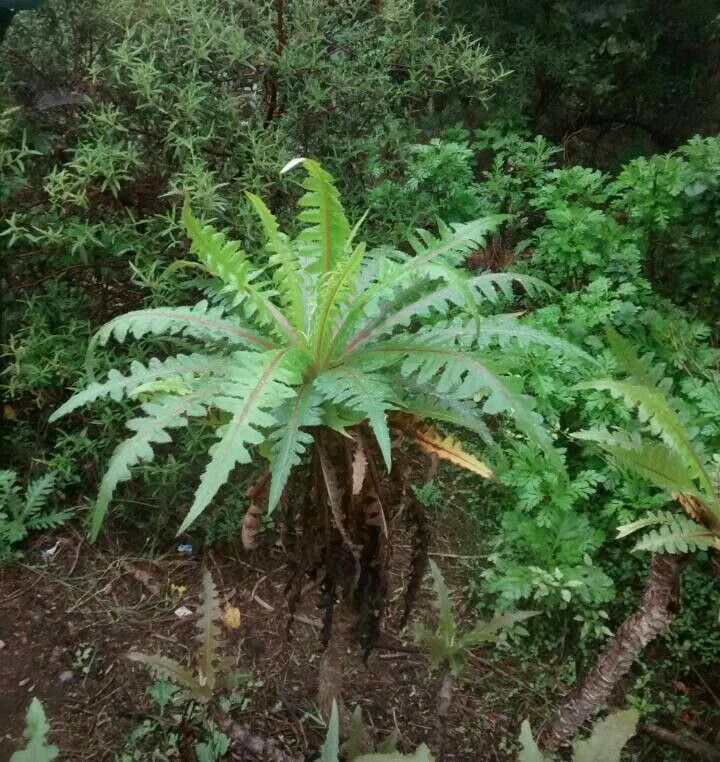
Taming the Canary Thistle: A Guide to Propagating Sonchus canariensis
The Canary Thistle (Sonchus canariensis) might sound prickly, but this vibrant plant, with its sunny yellow blooms and striking foliage, can be a captivating addition to your garden. Native to the Canary Islands (as its name suggests!), this member of the daisy family isn’t a true thistle and offers a surprisingly easy propagation process. Ready to invite this touch of the Canary Islands into your own backyard? Let’s dive into the world of Sonchus canariensis propagation.
Two Routes to Success: Seed vs. Cuttings
When it comes to propagating Sonchus canariensis, you have two reliable options:
Seeds: Starting from seed is an exciting journey that allows you to witness the entire life cycle of your plant. Sonchus canariensis readily produces seeds after flowering.
- Collecting Seeds: Look for the fluffy seed heads that appear after the blooms fade. Collect these heads once they appear dry and brown, and gently shake them over a container to release the seeds.
- Sowing: Sow the seeds in a well-draining seed starting mix, barely covering them with soil. Keep the soil consistently moist but not waterlogged. With warmth and light, germination should occur within 1-2 weeks.
Cuttings: For a quicker route to a mature plant, cuttings are the way to go.
- Taking Cuttings: Using clean, sharp shears, take 4-6 inch cuttings from healthy stems, making the cut just below a leaf node. Remove the lower leaves, leaving 2-3 sets of leaves at the top.
- Rooting Hormone (Optional): Dipping the cut end in rooting hormone can encourage faster root development, but isn’t strictly necessary.
- Planting: Plant the cuttings in a well-draining potting mix. Keep the soil moist and provide indirect sunlight. Roots should develop in several weeks.
Nurturing Your New Canary Thistle
Whether you’ve chosen seeds or cuttings, providing the right environment is key to success:
- Sunlight: Sonchus canariensis thrives in full sun to partial shade. Aim for at least 6 hours of sunlight per day.
- Soil: Well-draining soil is crucial to prevent root rot. A sandy loam or a potting mix formulated for succulents is ideal.
- Water: Water deeply but infrequently, allowing the soil to dry out slightly between waterings. Overwatering can be detrimental.
- Fertilizer: While not a heavy feeder, Sonchus canariensis benefits from a diluted, balanced fertilizer application during the growing season.
A Few Things to Keep in Mind:
- Invasive Potential: Sonchus canariensis can be invasive in some regions. Be mindful of its growth habits and consider planting it in a contained area.
- Pests and Diseases: While generally hardy, this plant may attract aphids or suffer from powdery mildew. Regular inspection and prompt treatment can keep these issues at bay.
With these tips, you can confidently propagate your own Sonchus canariensis and enjoy the unique beauty this plant brings to your garden. From its cheerful blooms to its striking foliage, this easy-to-grow species is sure to become a conversation starter in your backyard oasis.