
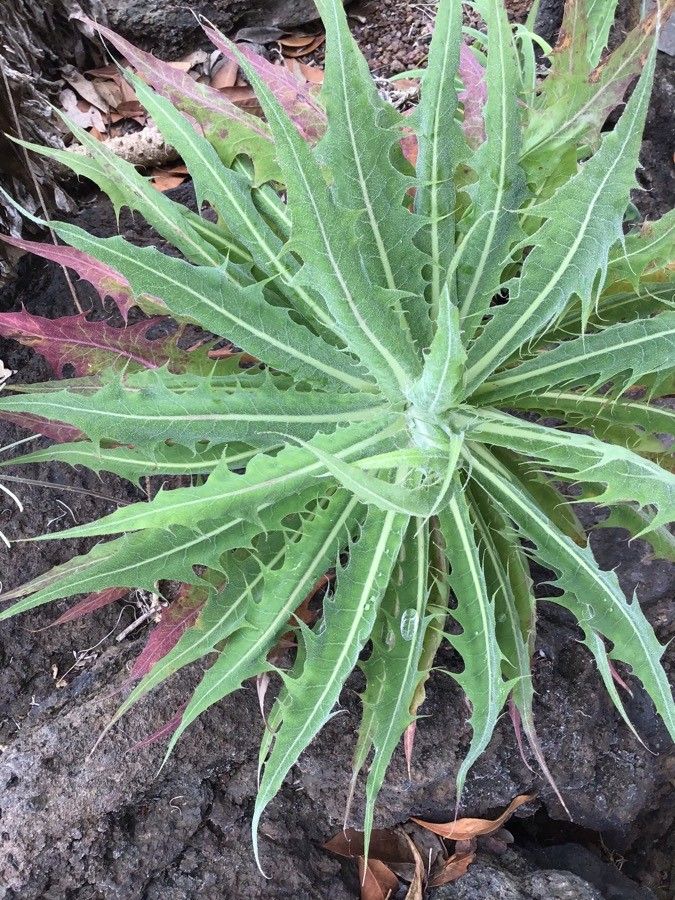
Taming the Sow Thistle: A Guide to Propagating Sonchus Platylepis
The Sonchus platylepis, more commonly known as the sow thistle, often gets a bad rap. While it’s true this plant can be a bit enthusiastic in its self-seeding habits, earning it a place on the “weed” list for some, it actually boasts attractive foliage, delicate yellow flowers, and a surprisingly resilient nature. For those willing to give it a chance, propagating Sonchus platylepis can be a rewarding experience, adding a touch of wild beauty to your garden.
Two Paths to Propagation:
Luckily for aspiring sow thistle cultivators, this hardy plant offers two primary methods of propagation:
Seeds: The most common and straightforward method involves utilizing the plant’s readily available seeds. In the wild, Sonchus platylepis is a prolific self-seeder, dispersing fluffy, parachute-like seeds with the wind. To harness this natural process, simply collect mature seed heads from existing plants. Look for dry, brown seed heads that easily release their fluffy contents. These seeds can be directly sown into the desired location in your garden, preferably in spring or early fall. The key to success lies in well-drained soil and ample sunlight. Water regularly until seedlings are established, then let nature do its work!
- Division: For a quicker and more controlled approach, division offers a viable alternative. This method takes advantage of the plant’s ability to sprout new growth from root cuttings. Early spring, just as new growth emerges, is the ideal time for division. Carefully dig up an established plant, ensuring you capture a good portion of the root system. Using a sharp, clean knife or garden shears, divide the root ball into sections, making sure each section has a healthy amount of roots and at least one growth point. Replant these divisions in their desired locations, ensuring the top of the root crown is level with the soil surface. Keep the soil consistently moist until you see signs of new growth.
Nurturing Your Sow Thistle:
While Sonchus platylepis is relatively low-maintenance, a little TLC goes a long way:
- Sunlight: Aim for a location that receives at least 6 hours of direct sunlight per day.
- Soil: Well-drained soil is crucial to prevent root rot. Amending heavy clay soils with compost can improve drainage.
- Watering: While drought-tolerant once established, regular watering, especially during dry spells, will encourage healthy growth.
- Pests and Diseases: Sonchus platylepis is generally resilient to pests and diseases. However, keeping an eye out for aphids or fungal issues is always a good practice.
Beyond Propagation:
Once you’ve successfully propagated your Sonchus platylepis, get ready to enjoy its unique charm. The bright yellow flowers attract beneficial pollinators, while the foliage adds a touch of wildness to borders, meadows, or even container gardens. Remember to deadhead spent blooms regularly to encourage further flowering and prevent excessive self-seeding. With a little effort, you can transform this often-misunderstood “weed” into a thriving and beautiful addition to your garden.