
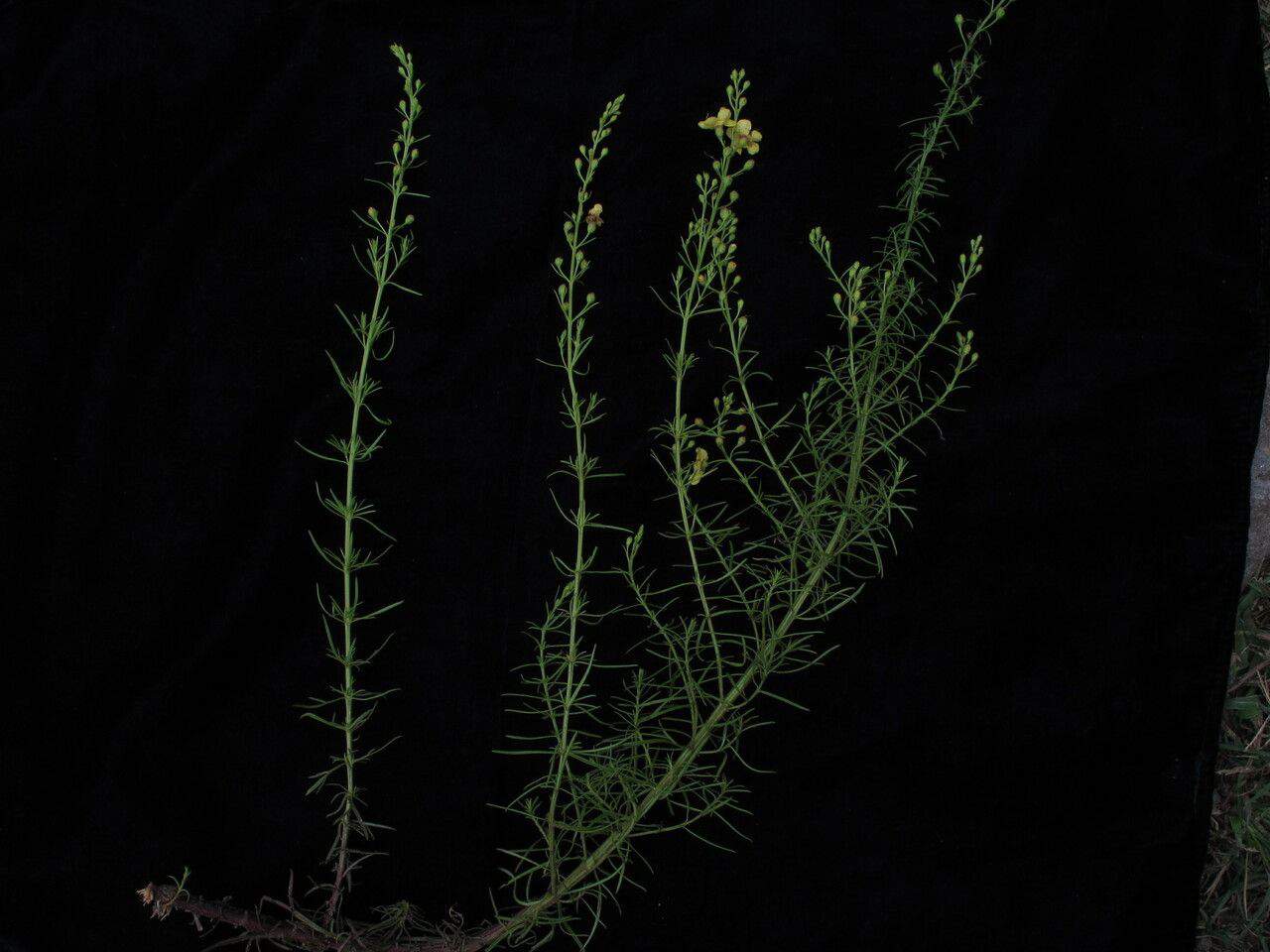
Unlocking the Secrets to Propagating the Elusive Sopubia trifida
Sopubia trifida, with its delicate, orchid-like blooms, is a sight to behold. Native to certain regions of Africa, this semi-parasitic plant holds a captivating allure for plant enthusiasts seeking something truly unique. However, cultivating Sopubia trifida is not for the faint of heart. Unlike many common garden varieties, this beauty requires a specific set of conditions and techniques to thrive, particularly when it comes to propagation.
Understanding the Unique Nature of Sopubia trifida
Before we delve into propagation, it’s crucial to understand the unique lifecycle of this plant. Sopubia trifida is a hemiparasite, meaning it derives some of its nutrients from attaching itself to the roots of nearby host plants. This fascinating characteristic plays a significant role in its propagation and overall cultivation.
Propagation Methods
While not commonly practiced due to the plant’s complex requirements, propagation of Sopubia trifida is achievable through two primary methods:
1. Seed Propagation:
- Source: Obtaining viable seeds can be challenging. Look for reputable online retailers specializing in unusual seeds or connect with botanical gardens specializing in African flora.
- Timing is Key: Sow seeds in late winter or early spring, mimicking their natural habitat’s rainy season.
- Preparation & Sowing: Use a well-draining seed-starting mix and lightly sprinkle the fine seeds on the surface, avoiding deep burial.
- Host Plant Proximity: The key to successful germination lies in the presence of a suitable host plant. Sow seeds in close proximity (within a few inches) to the roots of compatible grasses or small herbaceous plants.
- Care & Patience: Maintain consistent moisture and warmth. Germination can be erratic and may take several weeks or even months.
2. Root Cuttings:
- Ideal Timing: Take root cuttings during the plant’s active growing season, ideally in spring.
- Selection: Choose healthy, vigorous plants and carefully extract a portion of the root system. Ensure the cutting includes a small section of the stem base.
- Host Plant Required: Plant the root cutting near the roots of a suitable host plant, ensuring good contact for parasitic attachment.
- Care & Observation: Maintain consistent moisture and monitor the cutting for signs of new growth, which indicates successful establishment.
Challenges & Tips for Success
Propagating Sopubia trifida comes with its own set of challenges:
- Host Plant Compatibility: Experimenting with different host plants might be necessary to find the ideal pairing for successful parasitic attachment. Researching native grasses from the plant’s region of origin can be beneficial.
- Moisture Balance: Maintaining a balance between sufficient moisture for germination or root development and avoiding waterlogging is crucial to prevent fungal issues.
- Environmental Conditions: Replicating the plant’s native environment as closely as possible is key. Provide ample sunlight, warm temperatures, and well-drained soil.
A Rewarding but Demanding Endeavor
Propagating Sopubia trifida is a challenging yet ultimately rewarding endeavor. While not a beginner-friendly plant, the knowledge gained from understanding its unique lifecycle and meticulous care requirements can be incredibly enriching for dedicated plant enthusiasts. Patience, observation, and a touch of experimentation are your greatest assets on this rewarding journey of growing this strikingly beautiful and unusual plant.