
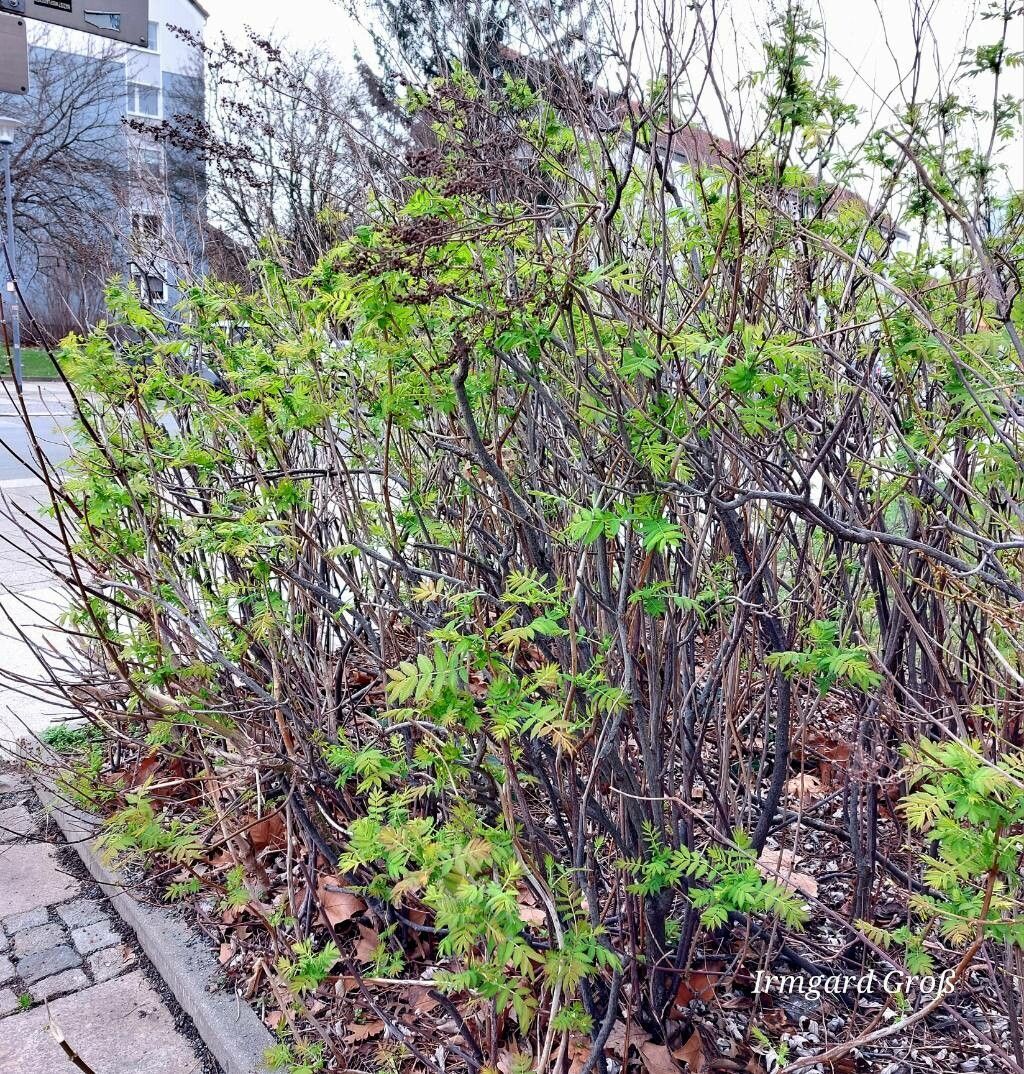
Unleash the Fury: Multiply Your Sorbaria Sorbifolia with These Simple Propagation Techniques
The Sorbaria sorbifolia, also known as the False Spirea or Ural False Spirea, is cherished for its delicate, fern-like foliage, explosive white blooms, and effortless charm. While admiring its beauty in your garden, you might find yourself wanting more of this hardy shrub – and the good news is, propagating Sorbaria sorbifolia is surprisingly easy! Let’s delve into the world of plant multiplication and discover how you can create a flourishing Sorbaria haven right in your backyard.
Three Paths to Propagation
Sorbaria sorbifolia proves to be quite the generous plant, offering not one, but three main methods for propagation:
1. Seed Starting: A Journey From Tiny Specks to Lush Shrubs
While seeds offer an exciting way to propagate, keep in mind that collected seeds might not yield plants identical to the parent plant. If you’re ready for the challenge, here’s how:
- Seed Collection: In late summer or early fall, gather the small, brown seed capsules from spent flower plumes.
- Cleaning and Storage: Extract the seeds and store them in a cool, dry place until late winter or early spring.
- Sowing Time: Start the seeds indoors 6-8 weeks before the last expected frost.
- Planting: Sow seeds in a seed starting mix, just barely covering them. Maintain consistent moisture and a warm temperature (around 70°F/21°C).
- Transplantation: Once the threat of frost has passed and seedlings are hardy, transplant them to your desired outdoor location.
2. Cuttings: Cloning Your Sorbaria with Precision
Taking cuttings is a popular method for replicating the exact characteristics of your existing plant. Here’s how to do it:
- Timing is Key: Softwood cuttings are best taken in late spring or early summer when new growth is supple.
- Making the Cut: Select a healthy, non-flowering stem about 4-6 inches long. Make a clean cut just below a leaf node.
- Prepare the Cutting: Remove the lower leaves and wound the base of the cutting slightly to encourage root development.
- Promoting Root Growth: Dip the cut end in rooting hormone (optional but recommended).
- Planting the Cutting: Plant the cutting in a well-draining potting mix.
- Creating a Humid Environment: Cover the pot with a clear plastic bag or use a humidity dome to retain moisture.
- Patience is a Virtue: Keep the cutting in a warm, brightly lit location, and maintain consistent moisture. Roots should develop in 4-6 weeks.
- Transplantation: Once rooted, transplant the cutting to a larger pot or your desired outdoor location.
3. Division: The Art of Separation for a Fuller Garden
Division is an excellent option for mature Sorbaria sorbifolia plants and is best done in early spring or fall. Follow these steps:
- Prepare the Plant: Water the plant thoroughly the day before division.
- Digging Up: Carefully dig around the perimeter of the plant, ensuring you don’t damage the root ball.
- Division Time: Using a sharp spade or garden knife, divide the root ball into sections, ensuring each section has healthy roots and stems.
- Replanting: Replant the divided sections at the same depth they were previously growing. Water thoroughly.
A Note on Care After Propagation:
No matter your chosen method, newly propagated Sorbaria sorbifolia require consistent moisture and some shade during their establishment phase. As they mature, they will tolerate full sun to partial shade and are relatively drought-tolerant.
Embrace the Rewarding Journey of Propagation
Propagating Sorbaria sorbifolia is a rewarding experience, allowing you to witness the miracle of plant life firsthand. Whether you choose seeds, cuttings, or division, you’ll be rewarded with a flourishing display of these gorgeous shrubs. So, embrace the joy of propagation and transform your garden into a haven of feathery foliage and cascading white blooms.