
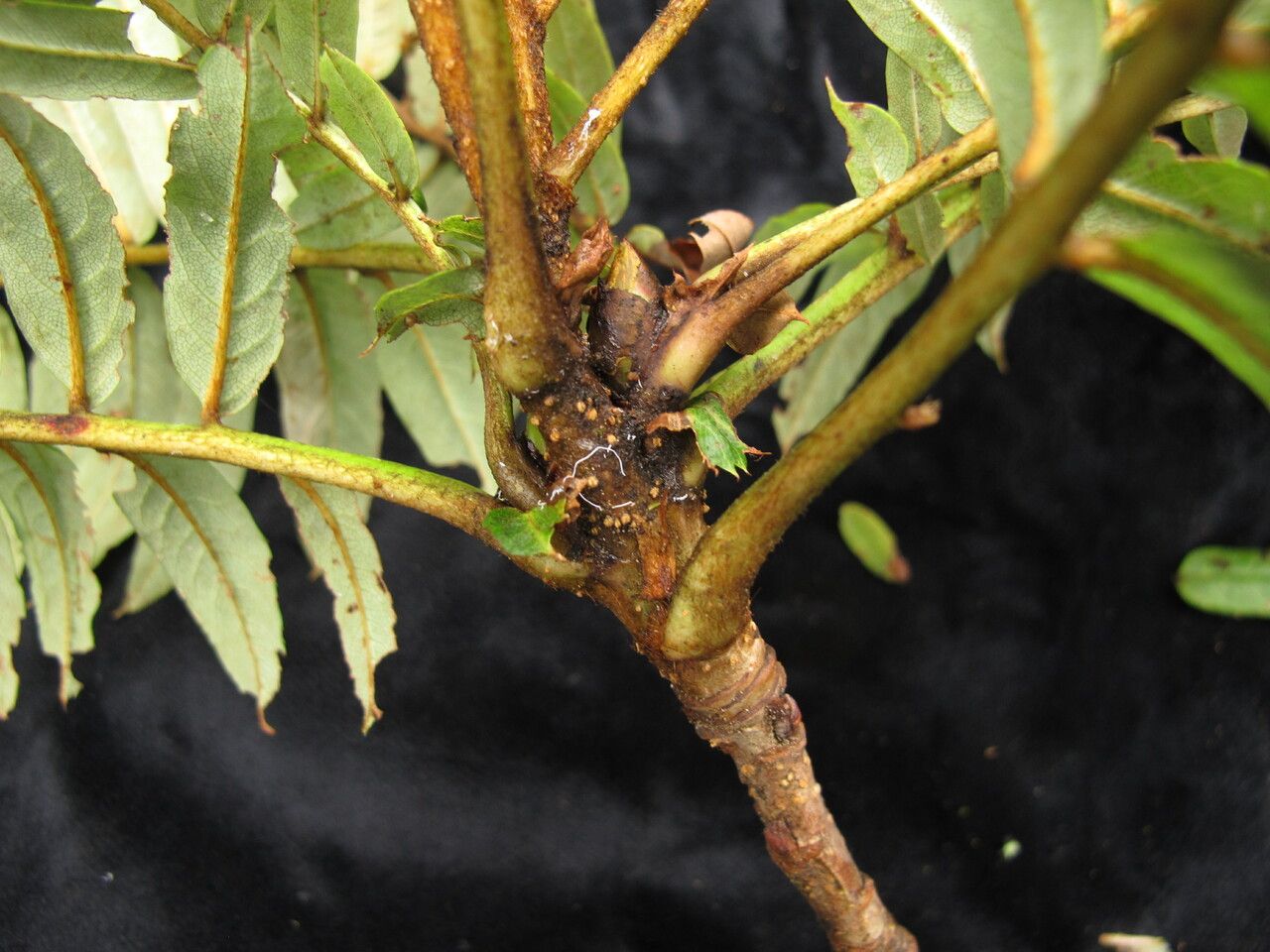
Propagating Sorbus arachnoidea: The Spider-Leaved Rowan
Introduction:
Sorbus arachnoidea, commonly known as the spider-leaved rowan or downy-leaved mountain ash, is a captivating small tree or large shrub prized for its delicate, silvery-haired foliage and attractive clusters of white flowers followed by vibrant red berries. Its relatively compact habit and attractive autumn colour make it a popular choice among gardeners seeking an aesthetically pleasing addition to their landscape. However, propagating this charming species can present certain challenges unlike some of its more common Rowan relatives. The unique characteristics of its seeds and the plant’s own growth habit influence the choice of propagation method.
Seed Germination:
Seed germination of Sorbus arachnoidea is possible but presents significant challenges. The seeds possess a hard seed coat and require a period of stratification (cold, moist treatment) to break dormancy before germination can occur.
Challenges: Low germination rates are common even with stratification. The process can be time-consuming, and success hinges on precise temperature and moisture control. Seedling development can be slow.
Practical Tips: Gather ripe berries in autumn, extract the seeds, and clean them thoroughly. Stratify the seeds for at least three months at temperatures between 2°C and 5°C (36°F and 41°F). Sow the seeds in a well-drained seed compost in spring. Ensure consistent moisture but avoid overwatering, which can lead to fungal diseases. Germination may take several months.
Rewards: Seed propagation offers the advantage of genetic diversity, yielding plants with slight variations. It also presents a potential for large-scale propagation, though success rates need careful consideration.
Cuttings:
Propagation of Sorbus arachnoidea from cuttings is a more reliable method than seed germination.
Challenges: Rooting can be slow and inconsistent, requiring appropriate hormone treatment and careful environmental control. Hardwood cuttings generally give better results than softwood.
Practical Tips: Take semi-hardwood cuttings in early summer or hardwood cuttings in late autumn. Use a rooting hormone and plant cuttings in a well-drained, peat-based compost. Provide adequate humidity and warmth to promote root development. A mist propagation system can significantly increase success rates.
Rewards: Cuttings offer a quicker and more reliable propagation method than seed germination, resulting in plants that are genetically identical to the mother plant.
Division:
Division is not a practical method for propagating Sorbus arachnoidea. The species doesn’t readily form suckers or easily divisible root systems like some other shrubs.
Tissue Culture:
Tissue culture is a viable, though technically demanding, method for propagating Sorbus arachnoidea. This method offers the potential for rapid multiplication of desirable genotypes and the production of disease-free plants.
Challenges: Requires specialized equipment, aseptic conditions, and a thorough understanding of plant tissue culture techniques. Developing optimal media formulations is crucial for success.
Practical Tips: This method should only be attempted by individuals with experience in tissue culture techniques. Establishing sterile cultures and identifying the appropriate growth regulators are key to success.
Rewards: Rapid and large-scale propagation of genetically identical plants, overcoming limitations of seed and cutting propagation.
Conclusion:
Propagation of Sorbus arachnoidea presents a set of unique challenges depending on the method chosen. While seed germination offers genetic diversity but low success rates, cuttings provide a more reliable approach. Division is impracticable, and tissue culture, though potentially highly effective, demands specialized knowledge and facilities. The rewards, however, are worth the effort. Successfully nurturing a young Sorbus arachnoidea from a seed or cutting provides a profound satisfaction, a testament to your dedication and horticultural skills. The beauty of this unique rowan, once established, is a constant reminder of the challenges overcome and the enduring joy of plant propagation. Don’t be discouraged by initial setbacks—persistence and careful attention to detail are key to success in propagating this beautiful and rewarding species.