
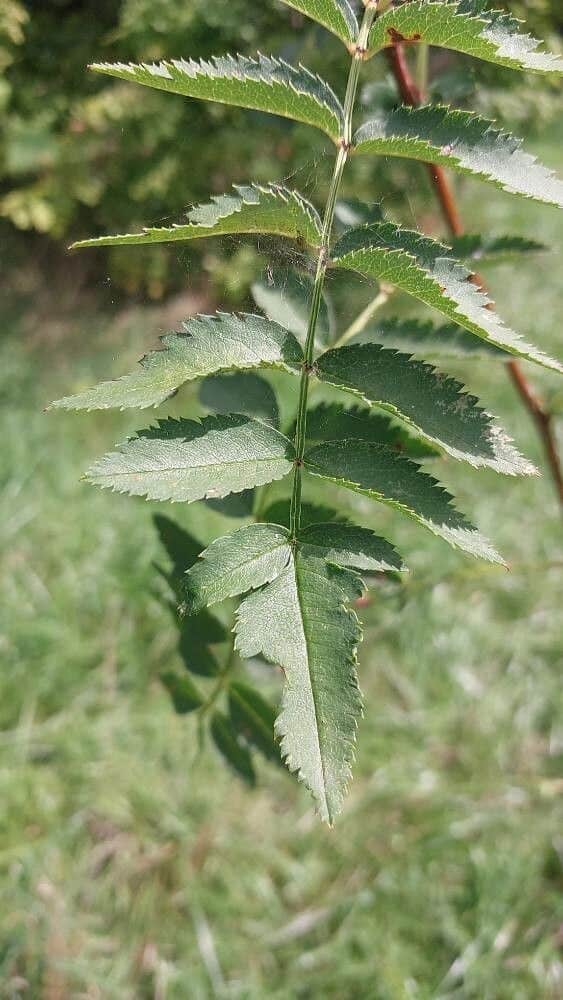
Unlocking the Secrets of Sorbus forrestii: A Guide to Propagation
The Sorbus forrestii, also known as Forrest’s Rowan, is a stunning small tree prized for its delicate foliage, vibrant autumn colours, and clusters of brilliant white berries. While you can easily find this beauty in nurseries, propagating your own Sorbus forrestii offers a rewarding challenge and a chance to expand your gardening repertoire.
This guide will delve into the two most effective propagation methods for this species:
1. Seed Propagation: Embracing the Element of Surprise
Propagating Sorbus forrestii from seed is an exciting endeavor, though it requires patience and a touch of green thumb luck. Here’s a step-by-step guide:
- Seed Collection and Preparation: Harvest ripe berries in the autumn and carefully extract the seeds. Clean off any clinging flesh and allow them to dry thoroughly.
- Stratification: Mimicking Nature’s Cycle: Sorbus forrestii seeds need a period of cold stratification to break their dormancy. Mix the seeds with slightly damp vermiculite or sand, place them in a sealed bag, and store them in the refrigerator (around 4°C) for 2-3 months.
- Sowing the Seeds: In spring, fill seed trays with a well-draining seed compost. Sow the stratified seeds thinly and cover them lightly with compost.
- Nurturing the Seedlings: Water gently and provide bright, indirect light. Germination can be erratic, taking anywhere from a few weeks to several months.
- Transplanting: Once the seedlings develop a few true leaves, carefully transplant them into individual pots filled with a good quality potting mix.
Important Note: Seed-grown Sorbus forrestii may exhibit variations from the parent plant, adding an element of surprise to their characteristics.
2. Semi-Hardwood Cuttings: Cloning Your Favourite Specimen
For a more predictable outcome and faster results, try propagating Sorbus forrestii from semi-hardwood cuttings:
- Timing is Key: The ideal time to take cuttings is from late summer to early autumn when the new growth has started to harden slightly.
- Taking the Cuttings: Choose healthy, non-flowering shoots. Use a sharp, clean knife or pruning shears to take cuttings about 10-15 cm long. Make the cut just below a leaf node.
- Preparing the Cuttings: Remove the lower leaves, leaving only a few at the top. Dip the cut end in rooting hormone (optional but recommended) to encourage root development.
- Planting and Care: Plant the cuttings in a pot filled with a mix of perlite and peat moss or a seed and cutting compost. Water well and cover with a plastic bag or propagator lid to maintain humidity.
- Root Development: Place the pot in a bright location out of direct sunlight. Rooting usually takes 6-8 weeks.
- Potting On: Once the roots have developed, carefully transplant the cuttings into individual pots with a well-draining potting mix.
Advantages of Semi-Hardwood Cuttings:
- Produces plants genetically identical to the parent plant.
- Generally faster than growing from seeds.
No matter which propagation method you choose, watching your Sorbus forrestii flourish from seed or cutting is an enriching experience. With patience and a little care, you can cultivate these stunning trees and enjoy their beauty for years to come.