
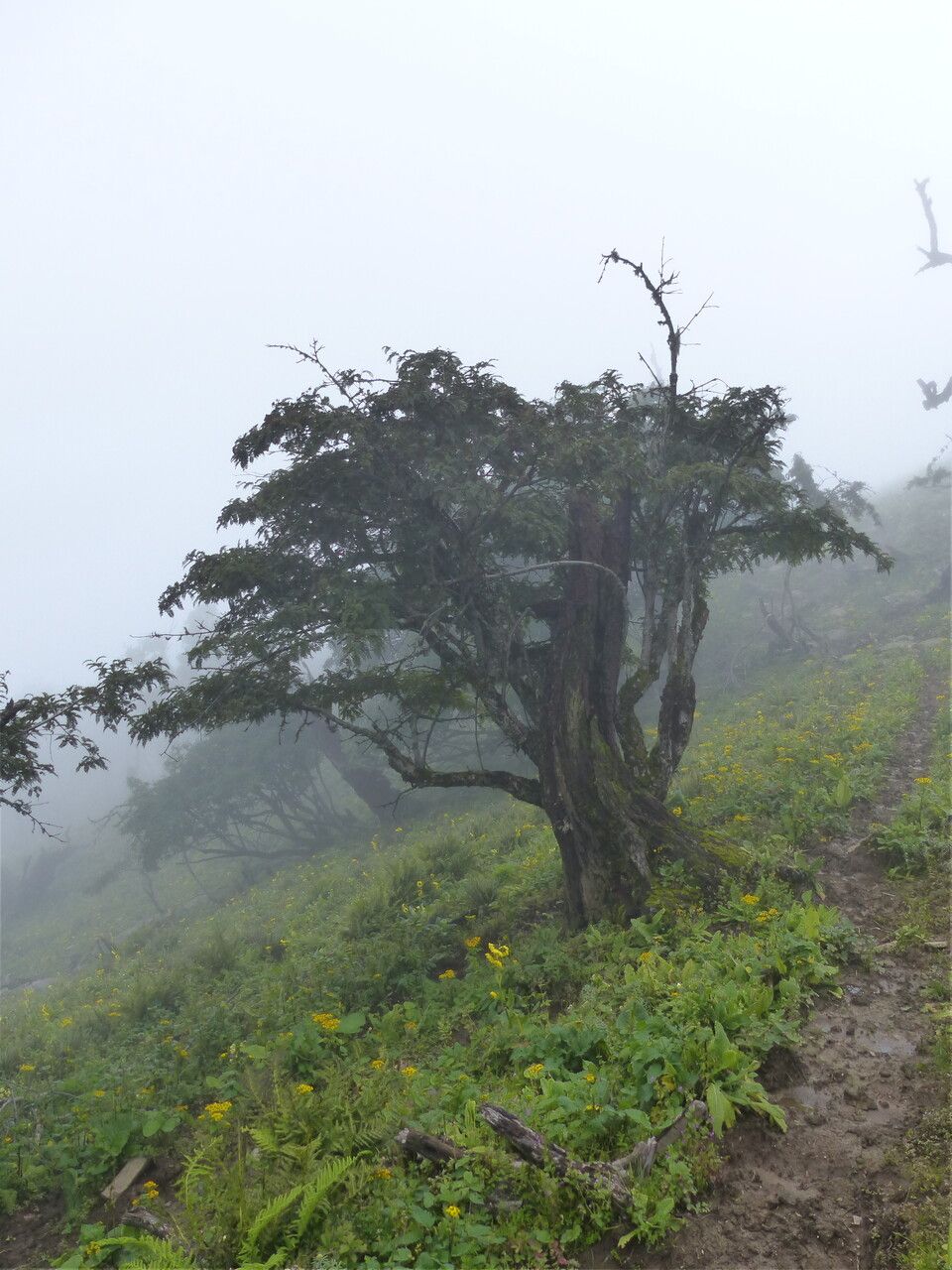
Conquering the Himalayas from Your Backyard: Propagating Sorbus himalaica
The Sorbus himalaica, also known as the Himalayan mountain ash, is a sight to behold. Imagine a small, elegant tree bursting with clusters of vibrant red berries against a backdrop of fiery autumn foliage. Native to the slopes of the Himalayas, this tree might seem like a challenging plant to incorporate into your landscape. However, with a little patience and the right knowledge, you too can successfully propagate Sorbus himalaica and enjoy its unique beauty.
This comprehensive guide will delve into the two most effective methods:
1. Seed Propagation: An Adventure in Patience
While slightly more time-consuming, growing Sorbus himalaica from seed provides a deeply rewarding experience and allows you to witness the entire lifecycle of a tree.
- Gathering Seeds: Collect mature berries in fall when they are plump and deeply colored. Remove the fleshy pulp, as it contains germination inhibitors.
- Stratification: Himalayan mountain ash seeds require a period of cold treatment to break dormancy. Place the cleaned seeds in a moist mixture of sand and peat moss, seal them in a plastic bag, and store them in the refrigerator for 90-120 days.
- Sowing: In spring, after the last frost, sow the stratified seeds in seed trays filled with well-drained potting mix. Lightly cover them with soil and water gently.
- Transplanting: Once the seedlings are a few inches tall and have developed a strong root system, transplant them into individual pots.
2. Semi-Hardwood Cuttings: A Quicker Route to Success
Propagating Sorbus himalaica from semi-hardwood cuttings is a faster method, ideal if you want to replicate the characteristics of a particular tree.
- Timing is Key: Take cuttings in mid-summer when the new growth has started to harden but is still flexible.
- Selecting Cuttings: Choose healthy shoots that are 4-6 inches long. Make a clean cut just below a leaf node.
- Preparing the Cuttings: Remove the lower leaves, leaving 2-3 at the top. Dip the cut end in rooting hormone to encourage root development.
- Planting: Insert the cuttings into a pot filled with a well-draining mix of peat moss and perlite. Water thoroughly and cover the pot with a plastic bag to create a humid environment.
- Transplanting: After 6-8 weeks, gently tug on the cuttings. Resistance indicates successful rooting. Plant the rooted cuttings in individual pots and allow them to establish before transplanting them outdoors.
Tips for Success:
- Well-Drained Soil: Sorbus himalaica thrives in well-drained soil and struggles with waterlogged conditions.
- Sun or Shade: While it prefers full sun, Himalayan mountain ash tolerates partial shade, making it a versatile choice for different garden locations.
- Pest and Disease Resistant: This resilient tree is generally pest and disease-free, making it relatively low maintenance.
Propagating your own Sorbus himalaica is a fulfilling endeavor that adds a touch of Himalayan magic to your garden. Whether you choose the patience of seeds or the expediency of cuttings, the satisfaction of nurturing a new life from scratch is a reward in itself. With proper care and attention, you’ll be rewarded with a stunning specimen that will grace your landscape for years to come.