
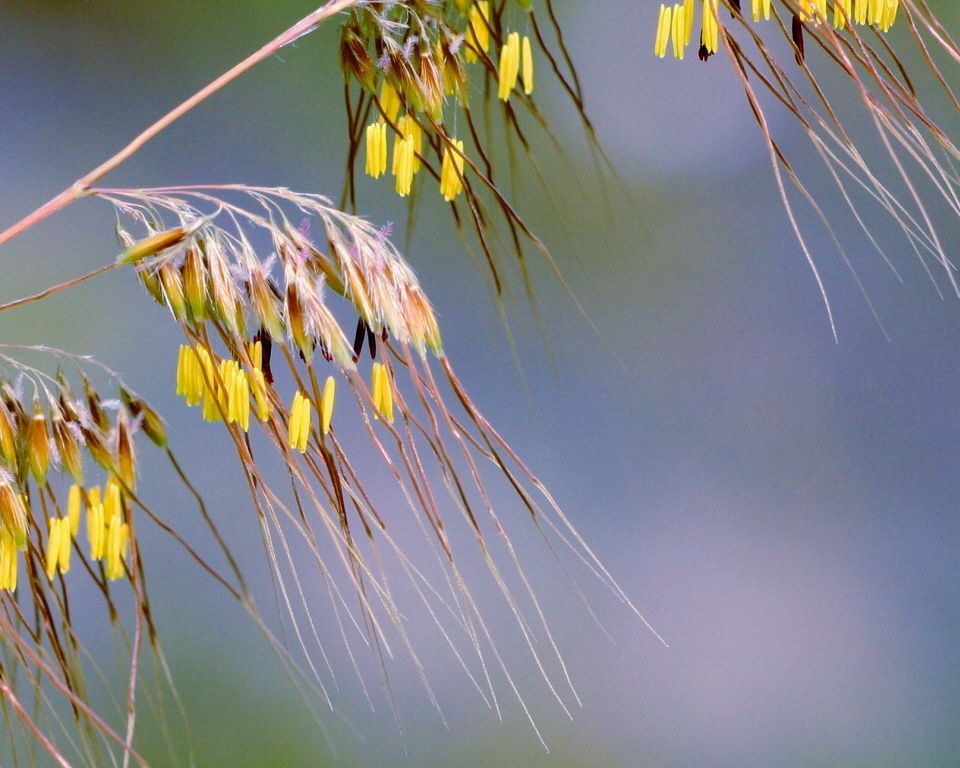
Golden Waves Ahead: Propagating the Beauty of Sorghastrum secundum
Sorghastrum secundum, more melodically known as Lopsided Indiangrass, is a North American prairie native quickly gaining popularity in home gardens. This stunning ornamental grass boasts bluish-green foliage that transforms into a cascade of golden hues in the fall, topped off with unique, copper-tinged seed heads that catch the light with an ethereal glow. While visually captivating, Lopsided Indiangrass also boasts resilience and low-maintenance charm, making it a gardener’s dream.
If you’re ready to welcome the beauty of Sorghastrum secundum into your landscape, propagation is easy and rewarding. Let’s explore the two primary methods:
1. Division: The Gift that Keeps on Giving
Dividing established clumps of Lopsided Indiangrass is the most common and arguably easiest propagation method. Spring, just as new growth emerges, is the ideal time. Here’s a step-by-step guide:
- Prepare: Equip yourself with a sharp, clean spade or garden knife and a pair of gloves. Water the plant thoroughly the day before dividing to minimize stress.
- Digging In: Carefully dig around the perimeter of the clump, about 6-8 inches away from the base. Loosen the soil and gently lift the entire plant, roots and all.
- Division Time: Depending on the size of the clump, you can divide it into smaller sections. Each division should have a good portion of roots and multiple shoots.
- Replanting: Choose a sunny location with well-drained soil. Dig holes the same depth as the original root ball and space them 2-3 feet apart. Backfill the holes, gently tamp down the soil, and water deeply.
2. Starting from Seed: A Labor of Love
While slightly more time-consuming, starting Sorghastrum secundum from seed offers a unique sense of accomplishment. Here’s how to do it:
- Seed Collection: Collect mature seed heads in late fall. Look for dry, brown seeds that easily detach from the stems.
- Winter Sowing: For best results, sow seeds outdoors in winter. This allows them to undergo natural stratification (a period of cold exposure that triggers germination). Choose a protected area and directly sow the seeds in seed trays or pots filled with seed-starting mix. Cover lightly with soil and keep the soil moist.
- Springtime Sprouting: As temperatures rise in spring, the seeds will germinate, usually within 4-6 weeks. Once seedlings have a few sets of true leaves, thin them out to give them space to grow.
- Transplanting: When the seedlings are large enough to handle, carefully transplant them into individual pots or directly into the garden after the last frost.
Cultivating Success:
No matter your chosen propagation method, ensure your Sorghastrum secundum thrives with these tips:
- Sunlight: This grass thrives in full sun to partial shade.
- Soil: Opt for well-drained soil, as excess moisture can lead to root rot.
- Watering: Water regularly during the first growing season to establish a strong root system. Once established, this grass is fairly drought tolerant.
With minimal effort, you can propagate the graceful beauty of Sorghastrum secundum and enjoy the visual symphony of its golden waves dancing in the breeze for years to come.